
The first hard pedal stroke above 3,000 metres can be a surprise. A climb that would feel steady at home suddenly asks more of your lungs, your legs and your judgement. This guide to cycling at altitude is for riders who want the extraordinary rewards of high mountain terrain – vast Himalayan views, remote valleys and hard-earned descents – without letting ambition outrun acclimatisation.
Altitude is not a test of toughness. It is a different operating environment. Respect it, give your body time, and the riding becomes deeply immersive rather than a battle to survive each kilometre.
What altitude does to your riding
As elevation rises, air pressure falls. The percentage of oxygen in the air remains the same, but every breath delivers fewer oxygen molecules to your bloodstream. Your heart rate rises for a given effort, recovery slows, and power that feels manageable near sea level can become unsustainable surprisingly quickly.
Most riders notice some change above 2,000 to 2,500 metres. Above 3,000 metres, even experienced cyclists need to adjust expectations. At 4,000 metres and beyond, such as on Nepal’s highest routes and the upper sections of Yak Attack, pacing and recovery become central to every day.
The important distinction is between fitness and acclimatisation. A strong rider will usually travel more efficiently and recover better, but elite fitness does not make anyone immune to altitude illness. Conversely, a rider who arrives with sensible preparation, follows a gradual ascent profile and rides within themselves can have an outstanding experience without chasing numbers.
Acclimatisation: the part you cannot rush
Your body adapts by increasing breathing rate, making changes to blood chemistry and, over time, improving its ability to carry oxygen. Those adjustments take days, not hours. The best itineraries build in a progressive ascent and allow space for easier riding or rest as the route climbs.
A useful rule is to arrive well rested and avoid treating the first few days as a fitness test. If you fly into Kathmandu before heading into the mountains, use the city and lower valleys to settle into the rhythm of the journey. Eat properly, hydrate consistently, sleep whenever the opportunity arises and keep the first rides controlled.
Once sleeping above roughly 3,000 metres, cautious ascent is particularly valuable. The exact approach depends on the route, your previous altitude exposure and how you feel each day, which is why knowledgeable local support matters. On a professionally organised trip, the schedule, vehicle support and guides provide options when a rider needs an easier day. That is not a compromise. It is how you protect the bigger adventure ahead.
Know the warning signs
A mild headache, poor sleep, reduced appetite and unusual fatigue can occur during early acclimatisation. They deserve attention, particularly if they are worsening. Stop ascending and speak to your guide or medical professional if symptoms persist.
Severe headache, confusion, loss of coordination, breathlessness at rest, persistent vomiting or a wet cough are serious warning signs. The answer is not to push on to the next pass. Descent and urgent medical assessment are essential. Never mask symptoms with painkillers and carry on as though nothing is happening.
Pace by feel, not by your usual numbers
Altitude punishes enthusiasm early in the day. A spirited attack on the first climb can leave you empty hours later, especially where the road keeps rising and the weather changes quickly. Start at a pace that feels almost too restrained, settle into a smooth cadence, and let the day reveal itself.
Heart rate, power and speed remain useful reference points, but they need interpretation. Your usual threshold power is unlikely to be realistic at altitude, and heart rate may be elevated by dehydration, poor sleep or a tough previous day. Use these tools as guardrails, not targets. Breathing, perceived effort and your ability to speak in short sentences are often more reliable guides.
On long climbs, avoid repeated surges. Choose a gear that allows you to spin rather than grind, particularly when the gradient steepens above a remote village or the track turns rough. There is no prize for arriving at a high camp ten minutes earlier if it costs tomorrow’s ride.
For riders preparing for a demanding event, controlled endurance training remains the foundation. Build long consecutive days, practise climbing at a sustainable effort and include strength work for the back, hips and legs. If you can access altitude before the trip, it may help you understand the sensation, but it is not essential. A well-designed mountain itinerary and intelligent pacing carry more value than a hurried pre-trip altitude experiment.
Fuel and drink before you feel the need
High altitude can blunt thirst and appetite at precisely the time your body needs regular energy and fluid. Cold, dry air also increases fluid loss through breathing. The result is familiar to many riders: you do not feel particularly thirsty, then discover a headache, heavy legs and a poor mood halfway through the afternoon.
Start drinking early and sip throughout the ride. Electrolytes can be useful on long, hot or particularly dry days, but they do not replace proper food and water. Aim for pale urine where practical, while remembering that there is no need to force excessive amounts of water.
Carbohydrate is especially valuable at altitude because it is an efficient fuel when oxygen availability is reduced. Eat little and often: breakfast before the day begins, accessible snacks during the ride, and a proper recovery meal afterwards. Bring familiar ride food for the moments when local options do not appeal, but do not overlook the energy in warm rice dishes, potatoes, noodles, soup and tea along the route.
Alcohol is best kept for lower, easier sections of a trip, if at all. It disrupts sleep, contributes to dehydration and can make altitude symptoms harder to read. A celebratory beer tastes far better after the high point has been crossed and your body is recovering properly.
Dress for a changing mountain day
A high-altitude ride can begin beneath a sharp blue sky, cross a wind-scoured pass and finish in cold rain. Temperature is only part of the equation. Wind chill, sudden cloud, strong sun and long descents can turn a comfortable jersey into a poor decision.
Build your clothing around adaptable layers: a moisture-wicking base layer, insulating mid-layer, packable waterproof shell and a windproof outer option. Carry full-finger gloves, a warm hat or buff, and something genuinely protective for extended descents. At altitude, sun exposure is more intense, so high-factor sun cream, quality eyewear and covered skin are performance equipment, not cosmetic extras.
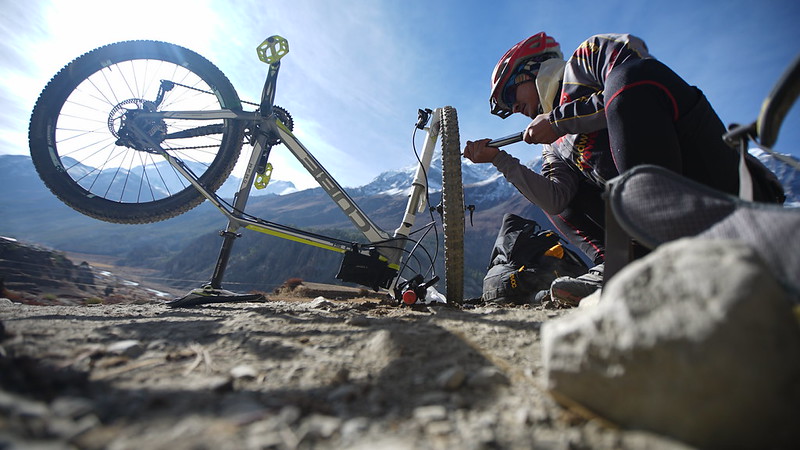
Your bike deserves the same thought. Lower gearing is often the difference between riding smoothly and burning matches. For rough Himalayan tracks, reliable tyres with suitable volume, fresh brake pads and a drivetrain in excellent condition are worth more than shaving a few grams. Carry the essentials for self-sufficiency, but use a supported trip to keep your load sensible: spare layers, food, tools and water need to be accessible without turning every climb into an expedition in itself.
Let the route, not the ego, set the plan
Cycling at altitude is not only about the summit. It is about managing the entire day: the quality of the surface, headwinds across open valleys, where water is available, the length of the final descent and the elevation of the night’s stop. In Nepal, a seemingly modest distance can contain hours of climbing, technical trail and landscapes that demand you stop, look and take it in.
This is where destination knowledge changes the experience. Multi Terrain Biking designs and supports high mountain rides around the realities on the ground – conditions, acclimatisation, cultural stops and the practicalities of reaching remote places with bikes. The aim is not to remove the challenge. It is to remove avoidable friction, so your effort goes into the riding rather than solving logistics at the side of a mountain road.
Be honest with your guide and riding companions. Say if your sleep has been poor, your appetite has disappeared or a headache is building. Good teams make smart decisions early, whether that means taking a vehicle section, slowing the group or extending a stop. The strongest mountain riders are not those who never struggle. They are the ones who manage the day well enough to keep going.
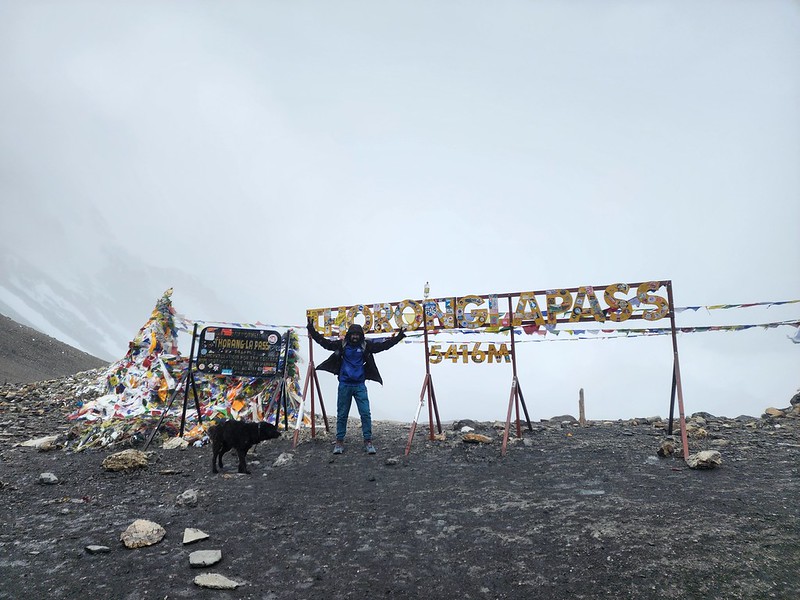
When the road finally crests a high pass and the valley opens beneath you, do not rush straight into the descent. Pull on a layer, take a drink, check in with yourself and look around. At altitude, every metre is earned – and that is precisely why the memory stays with you long after the legs have recovered.