A Nepal or Sri Lanka cycling holiday can both deliver the kind of riding that stays with you long after the dust has left your kit bag. Yet they ask very different things of a rider. Nepal is the high-mountain challenge: thin air, long climbs, vast Himalayan horizons and routes where every summit feels earned. Sri Lanka is warmer, greener and more fluid, pairing rewarding riding with wildlife, tea-country climbs, coastal roads and exceptional places to stay.
The right choice is not simply about fitness. It is about the story you want to ride, the time of year you can travel, how much rough terrain you enjoy and whether your ideal day finishes at a remote mountain lodge or with a cold drink overlooking the Indian Ocean.
Nepal or Sri Lanka cycling holiday: the big difference
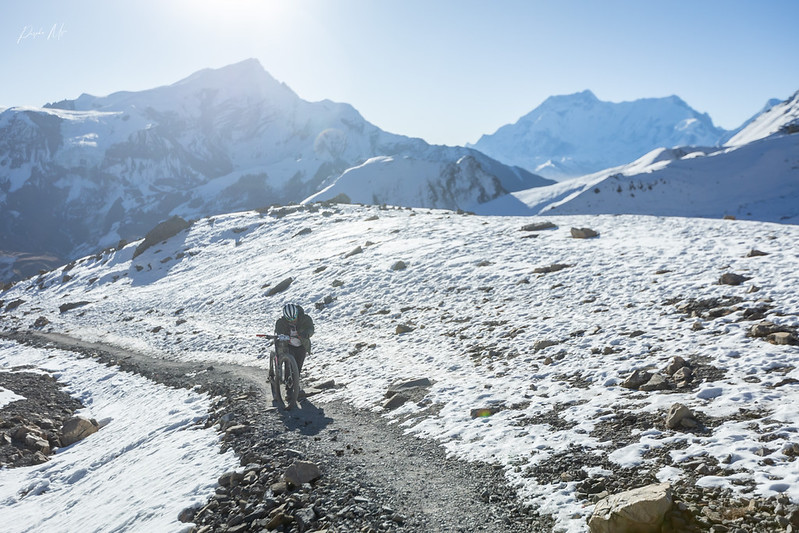
Choose Nepal if you are drawn to altitude, expedition character and mountain biking or gravel riding with real consequence. The country is made for riders who see a climb as part of the reward. Roads and trails rise quickly from the Kathmandu Valley into the foothills, passing terraced farms, Buddhist stupas, forested ridges and villages where daily life remains closely tied to the landscape. Higher routes enter a world of dry valleys, snow-capped peaks and huge skies.
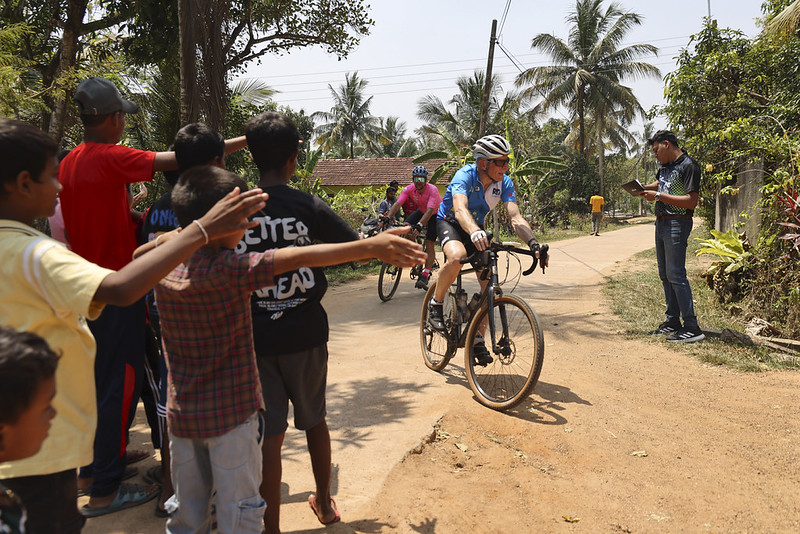
Sri Lanka is more immediately accessible in physical terms, although it should never be mistaken for easy. The island’s riding is wonderfully varied: smooth backroads through rice paddies, punchy climbs into the central highlands, red-dirt tracks, forest trails and undulating coastal lanes. Elevation arrives in shorter, sharper bursts, while the heat and humidity can make even a modest day feel satisfyingly demanding.
For many riders, the deciding factor is rhythm. Nepal often has a purposeful, point-to-point feel, with big climbing days and a stronger sense of being far from the everyday. Sri Lanka offers more variety within a compact area and makes it easier to blend ambitious riding with recovery, wildlife, beaches and refined accommodation.
Choose Nepal for height, hardship and Himalayan scale
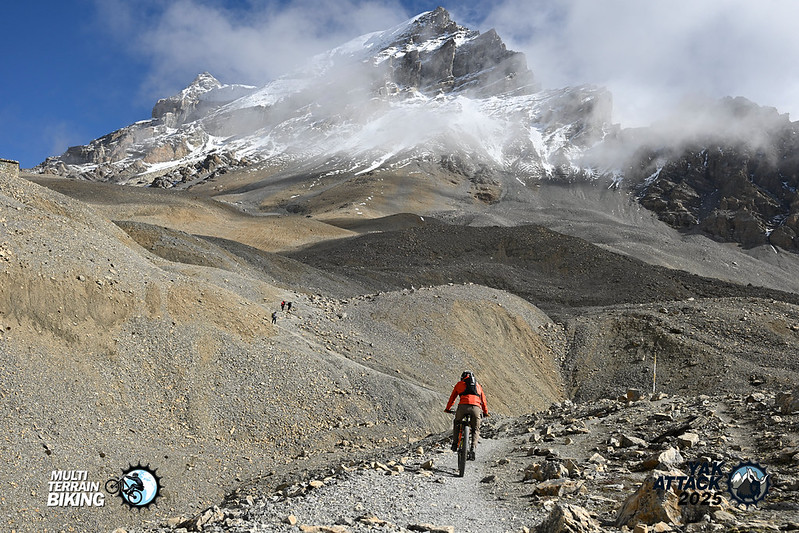
Nepal rewards riders who want to test themselves in a landscape that feels genuinely immense. Around Kathmandu, centuries-old trade routes and jeep tracks offer technical mountain biking beneath dramatic ridgelines. Further west, the Annapurna region provides the classic high-Himalayan experience: climbing through subtropical valleys, over high passes and into stark Tibetan-influenced terrain.
Altitude is the essential consideration. At 3,000 metres, and especially above 4,000 metres, pace becomes less relevant than patience. Even very strong riders will feel the difference. A well-designed itinerary builds acclimatisation into the journey, allowing the body to adapt while giving you time to absorb the changing culture and scenery. This is not a destination for arriving late, riding flat-out and leaving early.
Terrain can be equally uncompromising. Expect rocky descents, unpaved mountain roads, loose surfaces and occasional sections where pushing a bike is simply the most sensible option. That is part of Nepal’s appeal. A high pass is not a backdrop supplied for a photograph; it is something you have travelled through under your own power.
Nepal suits confident mountain bikers, adventurous gravel riders and endurance-minded cyclists particularly well. Riders preparing for a signature challenge such as Yak Attack will find a country built around progressive altitude exposure, substantial climbing and the kind of resilience that cannot be trained entirely at home.
The best windows are generally October to November and March to April. Post-monsoon autumn brings crisp views and settled conditions, while spring adds warmer temperatures and flowering rhododendron forests. Winter can be superb at lower elevations but colder at altitude, and the summer monsoon makes many mountain routes less predictable.
Choose Sri Lanka for variety, warmth and cultural depth
Sri Lanka packs an extraordinary amount into a cycling week or fortnight. You can ride from colonial hill stations through tea estates, descend into dry-zone plains, pass ancient temples and finish by the sea. For couples, mixed-ability groups and riders travelling with non-cycling partners, that breadth is a major advantage.
The central highlands provide the island’s most memorable climbing. Roads around Kandy, Hatton, Nuwara Eliya and Ella wind through tea country, often climbing steadily beneath cool mist and eucalyptus. The gradients are real, but the landscape changes constantly: tea pickers at work, railway lines threading through valleys, waterfalls and viewpoints that turn a hard ascent into a proper travel moment.
Away from the highlands, Sri Lanka becomes fast, colourful and playful. Gravel routes cross plantation tracks and rural lanes. Coastal riding has an easy holiday feel, particularly when planned early before the day heats up. In national-park country, it is possible to swap handlebars for a safari and look for elephants, leopards and birdlife without sacrificing the sense of adventure.
Heat deserves respect. Sri Lanka’s tropical conditions mean hydration, pacing and early starts matter, especially on lowland stages. The payoff is a longer riding season and a destination that feels welcoming even when European weather is at its least inviting. December to April is particularly attractive for much of the south and west, while May to September can work beautifully for routes focused on the east coast and the northern dry zone. Regional monsoon patterns matter, so route planning should always follow the season rather than a one-size-fits-all calendar.
Consider the riding you genuinely enjoy
A holiday should stretch you, not repeatedly place you outside your comfort zone. Nepal is the stronger choice if your happiest cycling day includes sustained climbing, rough surfaces, remote stops and a feeling that the route has taken you somewhere few people reach. Full-suspension or capable hardtail mountain bikes are often ideal for technical itineraries, while wider-tyred gravel bikes suit selected road-and-track journeys.
Sri Lanka is more flexible. It works brilliantly on a gravel bike, mountain bike or road bike, depending on the route. There are still steep climbs, broken tarmac and unpaved detours, but the overall experience can be tailored more readily towards smooth-road mileage, luxury gravel riding or a balanced active holiday. If one rider wants big days and another prefers a more relaxed pace, Sri Lanka usually offers the easier compromise.
Do not underestimate logistics in either destination. In Nepal, altitude, road conditions and remote mountain accommodation require experienced support and carefully paced days. In Sri Lanka, the challenge is often making the most of a densely packed island without spending too much time in traffic or travelling between regions. Local knowledge changes the experience: it is the difference between merely covering distance and riding the roads, trails and timings that make a journey flow.
The experience off the bike
Nepal has a raw, deeply immersive quality. A simple meal after a high pass, prayer flags moving in the wind or an evening in a mountain village can become the memory that defines the trip. Accommodation is often comfortable and characterful rather than lavish in remote areas, because access is part of the adventure. Kathmandu adds another layer, with its temples, lively streets and rich Newari culture.
Sri Lanka has a more polished hospitality edge. Boutique hotels, heritage properties and exceptional food can sit naturally alongside demanding days in the saddle. Curries vary enormously by region, fresh tropical fruit is everywhere, and a post-ride swim can be part of the itinerary rather than an occasional luxury. Its cultural encounters are equally powerful, from Buddhist sites and Hindu kovils to working tea estates and village markets.
Multi Terrain Biking crafts journeys in both countries around these contrasts, matching route, support vehicle, accommodation and pacing to the kind of rider you are. The best trip is never defined solely by kilometres or vertical metres. It is defined by how confidently you can commit to the riding, knowing the operational detail has been handled properly.
So, which destination should you book?
Book Nepal when you want a cycling expedition with mountain-bike soul. Go if altitude excites you, if a remote pass feels more valuable than creature comforts, and if you want to come home with a story that few riders can match. Allow enough time, arrive prepared and accept that the most rewarding days may also be the hardest.
Choose Sri Lanka when you want exceptional riding wrapped in a broader holiday experience. It is ideal for gravel riders, road cyclists and mountain bikers who value changing landscapes, cultural richness and the chance to recover well between stages. It is also the stronger option if you want to bring a partner or combine a cycling trip with beaches, wildlife and fine hotels.
If you are still torn, let the season make the first decision, then be honest about what fills your tank. Choose Nepal for the summit you have to earn. Choose Sri Lanka for the thrilling freedom of riding from high tea country to the coast, with another remarkable day waiting around the next bend.