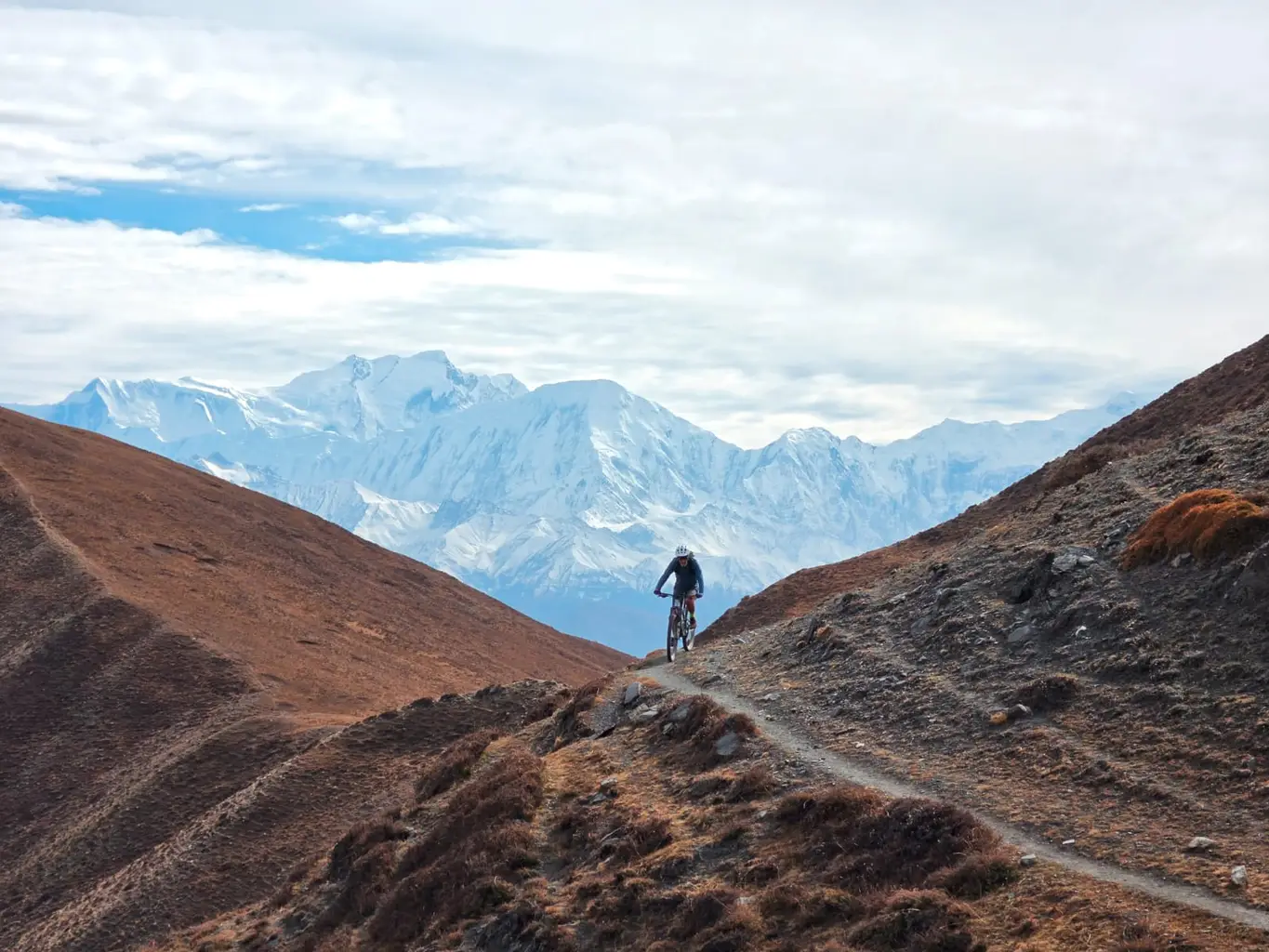

A great cycling holiday is not simply a route with hotels attached. It is the moment a Himalayan pass opens beneath your wheels, a tea-estate track disappears into morning mist, or a coastal road in Sri Lanka carries you towards a well-earned cold drink. When you book a bespoke cycling holiday, the difference lies in how all those moments are shaped around the way you actually want to ride.
For some riders, that means long, high-altitude days and technical mountain tracks. For others, it means rewarding gravel, beautiful boutique stays and enough time to explore temples, markets and small villages without watching the clock. Nepal and Sri Lanka can deliver both, but their terrain, seasons and logistics demand intelligent planning. A tailor-made journey turns a spectacular destination into a properly memorable ride.
Why book a bespoke cycling holiday?
Off-the-shelf cycling trips work well when their pace, route and accommodation happen to match your priorities. A bespoke holiday gives you greater control from the start: your preferred riding discipline, daily distance, climbing, rest days, accommodation style and cultural interests can all influence the itinerary.
That flexibility matters in South Asia. Nepal can be wonderfully raw and demanding, with rough jeep tracks, big elevation and riding conditions that change rapidly between valleys. Sri Lanka offers remarkable variety over shorter distances, from quiet lanes and ancient tank roads to punchy hill-country climbs and fast coastal stretches. The right route is not necessarily the hardest or most remote one. It is the one that gives your group the strongest experience day after day.
A well-designed itinerary also removes the friction that can overshadow independent travel. Airport transfers for bikes, vehicle support, permits, route reconnaissance, local mechanics, luggage movements and reliable accommodation are all handled before you arrive. You still get the sense of adventure. You simply do not spend the holiday solving avoidable problems at the roadside.
Start with the ride you want, not the destination brochure
The most useful first step is being honest about your ideal day in the saddle. A keen road rider who enjoys sustained climbing may love Sri Lanka’s tea country, while a mountain biker seeking committed descents and expedition atmosphere may be drawn to Nepal’s high trails. Gravel riders can find excellent options in both countries, but surfaces, elevation and support needs will be very different.
Think beyond fitness alone. Ask how many consecutive hard days you genuinely enjoy, whether anyone in your group is new to multi-day riding, and how much cultural exploration you want alongside the cycling. A 90-kilometre day can feel entirely different depending on heat, humidity, altitude, road surface and total ascent.
Share these details with your trip designer:
- Your group size, cycling backgrounds and preferred bike types.
- The dates you can travel and whether they can move by a few days.
- Your comfortable daily distance and climbing range.
- The balance you want between challenge, recovery and sightseeing.
- The accommodation standard and food preferences that matter to you.
This is not administrative detail. It is the information that makes a route feel expertly crafted rather than merely customised on paper.
Nepal: altitude, drama and earned rewards
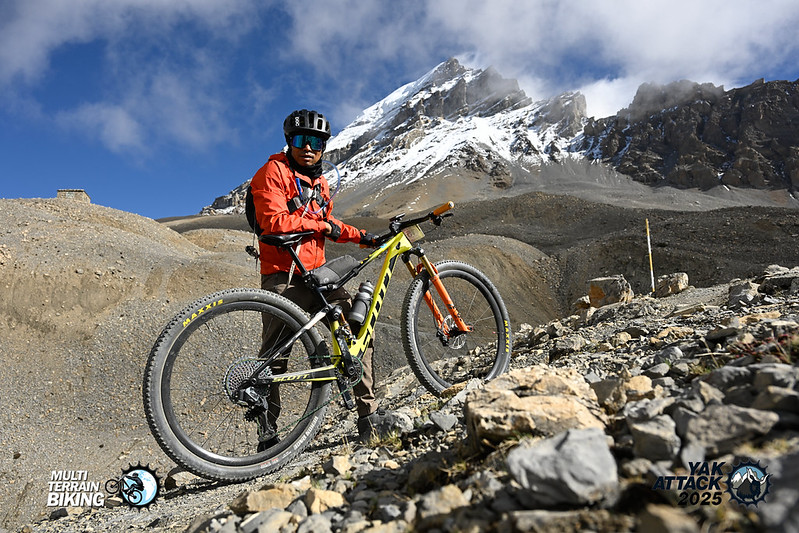
Nepal is a destination for riders who want scale. The country compresses extraordinary landscapes into a relatively small area, but it does not hand them over easily. A day may begin in subtropical foothills and finish beneath snowy peaks; the climbing can be prolonged, the tracks rough and the weather changeable.
A bespoke Nepal itinerary should build in acclimatisation where altitude is a factor and use sensible progression rather than chasing maximum vertical every day. Vehicle support is especially valuable here, allowing riders to manage a tough section, recover from illness or simply enjoy the journey without pressure. This is not about making Nepal easy. It is about making the challenge achievable and enjoyable for the riders who have travelled so far to experience it.
For ambitious mountain bikers, there are few places with such a strong sense of expedition. For mixed-ability groups, lower-altitude routes and cultural valleys can deliver equally rich riding with more forgiving logistics. The best choice depends on the appetite of the whole group, not just the strongest rider.
Sri Lanka: variety without compromise
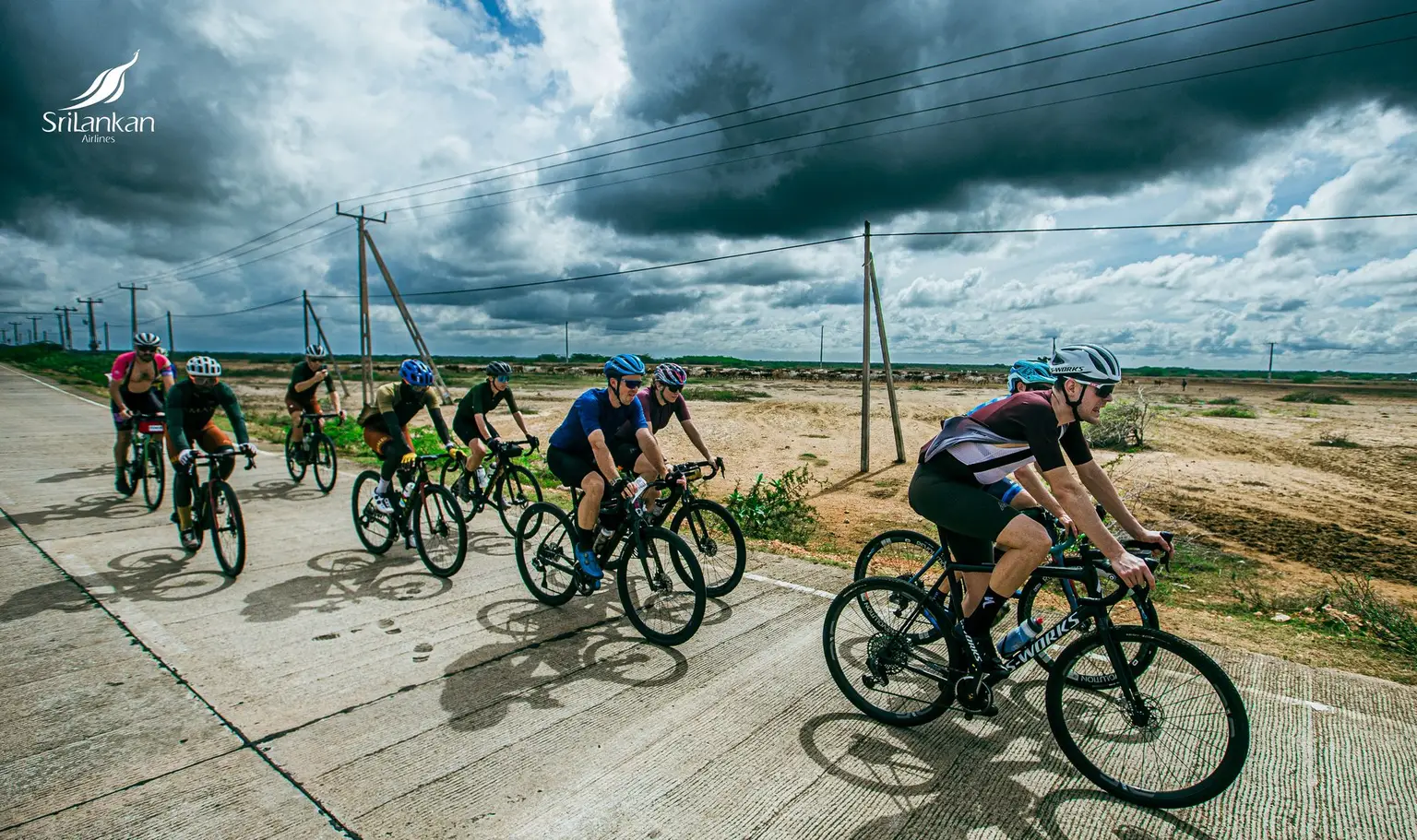
Sri Lanka is exceptionally rewarding for a bespoke cycling holiday because its landscapes change quickly. You can combine dry-zone trails around ancient cities, lush central highlands, wildlife-rich national park edges and the Indian Ocean in one journey. The country is compact, yet it never feels repetitive from the saddle.
It is often a better fit for riders who want challenging cycling without extreme altitude. Hill-country climbs are serious, particularly in warm conditions, but recovery is easier to plan and the transfer distances can be shorter. It is also an outstanding choice for couples or groups with different priorities: one day can include a purposeful ride, a memorable lunch and time at a characterful hotel rather than a race to the next checkpoint.
Seasonality deserves close attention. Sri Lanka’s two monsoon systems affect different parts of the island at different times, so the ideal route shifts through the year. A knowledgeable operator will shape the direction, regions and overnight stops around likely conditions, rather than offering the same itinerary in every season.
Design the right level of support
Support is not a sign that a ride is diluted. On a long-haul cycling holiday, it is what gives you freedom to commit to the day. A properly equipped support vehicle can carry spare parts, tools, water, snacks and additional clothing, while guides manage navigation and adapt the plan when weather, roadworks or group energy demand it.
The level of support should reflect the route. Remote Nepal trails call for more self-sufficiency, stronger mechanical planning and a team comfortable with changing conditions. In Sri Lanka, a support vehicle can make a heat-heavy day far more pleasant while allowing the group to ride the most beautiful sections and bypass busy approaches where appropriate.
Ask practical questions before booking. How are bikes transported? Is there a qualified mechanic or guide able to handle common trailside repairs? What happens if a rider wants a shorter day? How is drinking water supplied? In remote areas, what communication and emergency plans are in place? Clear answers are a mark of an operator that understands adventure travel beyond the glossy photographs.
Choose accommodation that improves the route
The right hotel is part of the ride, not a reward bolted on at the end. After a wet mountain day in Nepal, a warm shower, good meal and secure bike storage can transform morale. In Sri Lanka, a carefully chosen heritage property, eco-lodge or small coastal stay can add texture to the journey and create space to absorb the place you are riding through.
There is a trade-off. The most remote routes may require simple accommodation, particularly in Nepal, while luxury-focused stays can mean longer transfers or less time in the saddle. Neither is automatically better. A strong bespoke itinerary is candid about where compromise is worthwhile and where it is not.
Food should be planned with the same care. Riders need generous, familiar-enough fuel, but local dishes are central to the experience. A good trip balances both: reliable pre-ride breakfasts and recovery meals alongside dal bhat in Nepal, fragrant curries in Sri Lanka and stops that feel rooted in the region rather than staged for visitors.
Give your trip enough time
Trying to see too much is the quickest way to turn an extraordinary cycling destination into a series of transfers. For most groups, eight to 12 days on the ground offers enough time to establish a rhythm, ride several distinctive regions and include a rest or cultural day if needed.
If your main goal is a major challenge, concentrate the route. If you are travelling with partners or friends who value the wider experience, leave room for a safari, a city stay, a monastery visit or a day without a helmet. Those pauses often become the stories people remember just as clearly as the big climbs.
Multi Terrain Biking has spent more than 19 years building journeys and events across Nepal and Sri Lanka, combining local route knowledge with the operational detail these destinations require. That experience is particularly useful when the group wants something more personal than a fixed departure, but still expects every essential element to run smoothly.
When to make your enquiry
For the best choice of guides, standout accommodation and transport, begin the conversation six to 12 months before departure, especially for peak-season travel or larger private groups. That said, a shorter lead time can still work when dates are flexible and the route is designed around what is genuinely available.
Bring a clear wish list, but do not arrive with a rigid itinerary copied from a map. The most rewarding routes are often shaped by local realities: a quieter back road, a seasonal trail condition, a village festival or a lodge that makes an extra night worthwhile. Let the destination expertise guide the final decisions.
Choose the challenge that excites you, leave room for the unexpected, and give the route the time it deserves. That is how a bespoke cycling holiday becomes far more than a trip you completed – it becomes one you will still be talking about when the bike is back in the garage.