
Beating the Heat: Why Sri Lanka Rides Differently — And How to Prepare
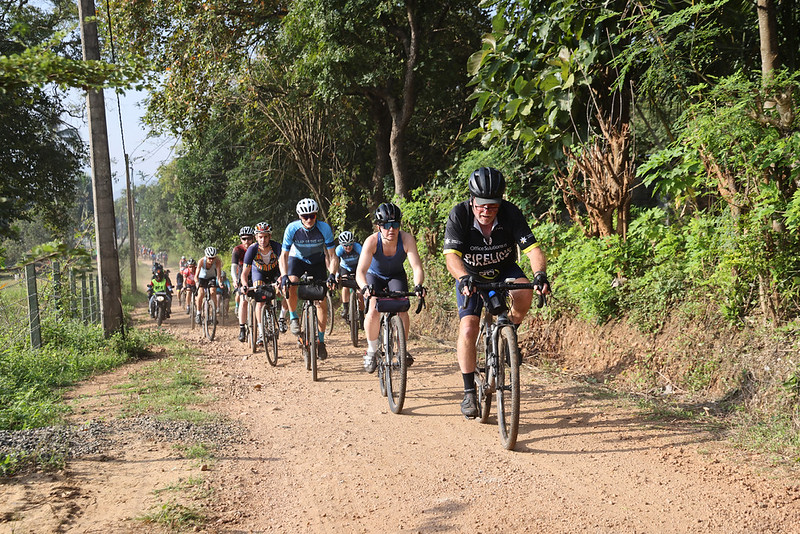
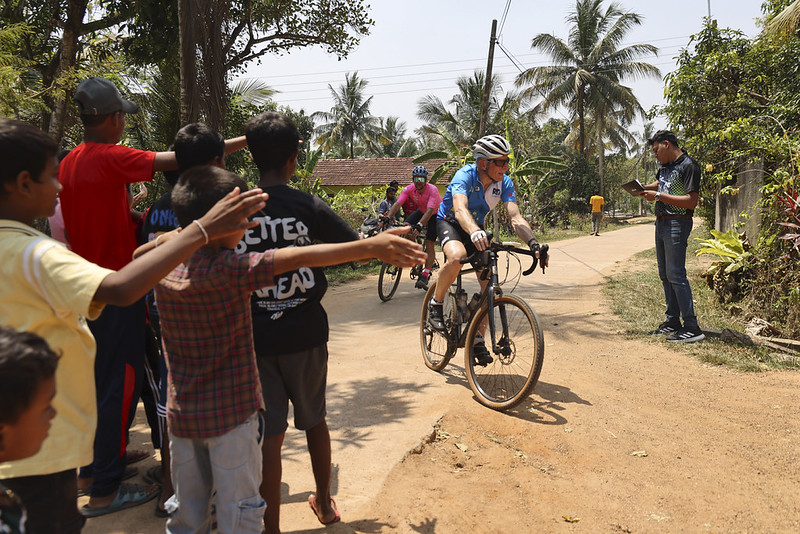
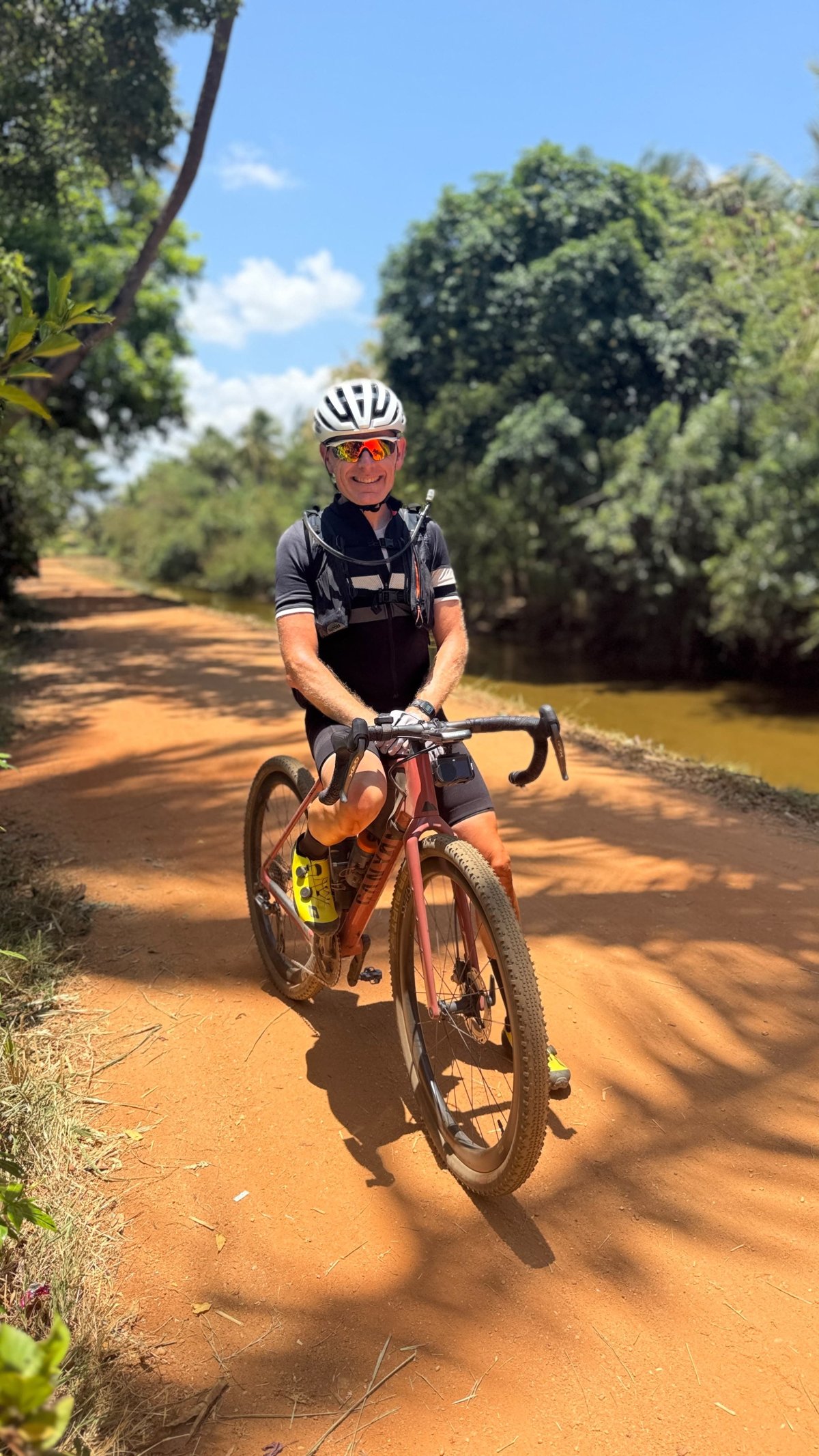
Last week, our team was on the ground in Sri Lanka scouting the route for Ride SriLankan, and the thermometer hit 40°C on more than one afternoon. Even for riders who consider themselves fit and fast at home, holding anything close to a “normal” UK pace was simply off the table. It wasn’t a fitness problem. It was a heat problem — and heat changes the rules of cycling more than almost any other single factor.
If you’re preparing for Ride SriLankan 2027, understanding why heat hits so hard, what you can do about it in the moment, and how to prepare your body in the months beforehand will make the difference between a ride you endure and a ride you genuinely enjoy.
Why Heat Hits Cyclists So Hard
Cycling generates enormous internal heat — pedalling at a moderate effort can produce more heat than the body would generate running a fever. In a cool UK climate, your body sheds that heat easily: warm blood moves to the skin, sweat evaporates, and cooler air constantly carries heat away. In Sri Lanka’s heat and humidity, every part of that system is under strain at once.
Your cardiovascular system has to do two jobs at the same time. Working muscles need blood. So does your skin, to shed heat. Your heart can’t fully satisfy both demands simultaneously, so heart rate climbs at a given power output — riders often see 10–15 extra beats per minute for the same effort they’d manage comfortably at home. That’s not a lack of fitness; it’s simple physiology.
Humidity blunts your best cooling tool. Sweating only cools you if it evaporates. Sri Lanka’s coastal and lowland humidity — regularly 55–65% even in the relatively dry month of March — means sweat drips rather than evaporates, so a soaked jersey doesn’t translate to the cooling you’d expect.
Core temperature becomes the real limiter, not your legs. Research on endurance cyclists consistently shows that as core temperature rises toward the 39–40°C range, the brain deliberately reduces the drive to working muscles — a protective mechanism, not a strength failure. This is why pace that feels sustainable at home can suddenly feel impossible in the heat, well before your legs or lungs are the limiting factor.
Dehydration compounds everything. Sweat rates in serious heat commonly exceed a litre per hour, sometimes considerably more. Losing even 2% of body weight in fluid measurably reduces power output and further elevates heart rate for the same effort.
None of this means Sri Lanka is an unreasonable place to ride — cyclists ride comfortably there every season. It means the “normal pace” reference point has to change, and preparation matters more than it does for a UK sportive.
What Sri Lanka’s Climate Actually Looks Like in March
Ride SriLankan runs in March, and the good news is that this is genuinely one of the more favourable months on the Sri Lankan calendar — the northeast monsoon has typically finished and the southwest monsoon hasn’t yet begun, so days tend to be dry and sunny rather than wet. That said, “favourable” in Sri Lanka still means daytime highs typically in the 30–34°C range in the lowlands and Cultural Triangle, dropping into the mid-20s in the hill country around Kandy and Ella. Humidity across the island commonly sits in the 55–65% range, even in this drier window. The 40°C days our team experienced were toward the hotter end of what’s possible, but they’re a reminder that “average” conditions in Sri Lanka are still considerably hotter and more humid than anything most UK-based riders train in day to day.
Reducing the Effects on the Day
You can’t out-fitness the heat, but you can manage it. Here’s what actually helps once you’re out on the road:
- Slow down earlier than feels necessary. Aim for a heart-rate or perceived-effort target rather than a power or speed target. If your normal century pace produces a heart rate 15 beats higher than usual, that’s the heat talking — respect it rather than fighting it.
- Front-load your hydration. Starting a ride even mildly dehydrated puts you behind from the first pedal stroke. Aim to arrive at the start line well hydrated rather than trying to “catch up” once riding.
- Drink on a schedule, not on thirst. Thirst lags behind actual fluid need in the heat. A rough guide of 500–750ml per hour, adjusted for how heavily you’re sweating, works well for most riders — more in the hottest conditions.
- Don’t neglect electrolytes, particularly sodium. Heavy, sustained sweating strips salt as well as water. Plain water alone on a long hot ride can leave you feeling worse, not better — an electrolyte mix or tablets are worth carrying. TORQ’s hydration range is a good place to start if you don’t already have one you get on with.
- Use every cooling opportunity going. Pouring water over your head and neck at rest stops, riding in light-coloured and vented kit, and seeking shade during any stationary moments all measurably help, even though none of them feel like “real” training tools.
- Time your effort around the day, not the clock you’re used to. Early starts, before the heat builds, make a bigger difference in Sri Lanka than almost anywhere in Europe. The itinerary is built with this in mind, but if you have flexibility on rest days, use the cooler hours.
- Rethink what “going well” looks like. A ride that leaves you feeling strong at a heat-adjusted pace is a successful ride. Chasing your UK numbers in 34°C heat is usually the fastest route to a miserable afternoon.
Training in the Months Beforehand: Heat Acclimatisation
This is the part most riders skip — understandably, since the UK doesn’t hand you 35°C afternoons to train in. But the research on heat acclimatisation is some of the most consistent in sports science: even a short, structured block of heat exposure produces real, measurable adaptations, and you don’t need to fly anywhere to get them.
What acclimatisation actually changes in your body:
- Your sweat rate increases and starts earlier, so cooling kicks in sooner.
- Sweat becomes more dilute, meaning you lose less sodium for the same cooling effect.
- Plasma volume expands, which eases the competing demand between muscles and skin for blood flow.
- Resting and exercising core temperature both drop slightly, buying you a larger margin before performance-limiting heat strain sets in.
- Perceived effort at a given pace measurably improves — the same power output simply feels easier.
How much training it takes: Studies on trained cyclists show that even short protocols — as little as 3–5 days of heat exposure — produce meaningful adaptation, with the clearest and most durable benefits building over 7–14 days of repeated exposure. You don’t need weeks in a heat chamber to feel the benefit; a couple of weeks of consistent, deliberate heat exposure in the final month or so before travel is a realistic and worthwhile target for most riders.
How to actually do this in the UK, without a heat chamber:
- The turbo trainer is your best tool. Ride indoors with minimal fan, extra layers, and the heating on if you can stand it. Sessions of 45–90 minutes at an easy-to-moderate effort, aiming to genuinely sweat heavily, replicate the core-temperature stimulus that drives adaptation — you don’t need to be going hard, just hot.
- The sauna works too, and stacks well with training. Post-ride sauna sessions (15–20 minutes, several times a week) have a genuine evidence base for driving similar adaptations, and are a useful option on days you can’t face another hot turbo session.
- Build up gradually. Heat training adds real physiological load on top of your normal riding — start with shorter, less extreme sessions and build toward your event date rather than diving straight into your hottest, longest sessions.
- Practice your hydration and fuelling strategy while you train, not for the first time in Sri Lanka. Use your heat sessions to dial in exactly how much you need to drink and what electrolyte mix works for your body, so nothing on the trip itself is a surprise.
- Don’t abandon acclimatisation too early. The benefits fade within one to two weeks of stopping, so it’s worth keeping at least one heat session a week right up until you fly, rather than tapering it off a month out.
The Bottom Line
Heat doesn’t just make riding harder — it changes what “hard” means. A pace that’s comfortable at home can be genuinely unsustainable in Sri Lanka’s heat and humidity, and that’s true no matter how many miles you’ve got in your legs. The riders who enjoy Ride SriLankan most aren’t necessarily the fittest on paper — they’re the ones who’ve respected the heat, adjusted their pacing expectations, and put in a bit of deliberate heat training beforehand.
Treat your final month of preparation as heat training as much as fitness training, get your hydration strategy dialled in before you fly, and go in expecting your Sri Lanka pace to look different from your UK pace. Do that, and 34°C becomes an adventure rather than an ordeal.
Got questions about preparing for Ride SriLankan? Get in touch with the team at MTB Worldwide — we’re always happy to talk through training, kit, or what to expect on the road.