
A great ride should feel as though it could not have happened anywhere else, or with anyone else. That is the point of a guide to bespoke cycling journeys: not simply choosing a destination and a number of days, but building a route around the way you want to ride. In Nepal, that might mean a high Himalayan pass, a support vehicle waiting beyond the summit and a quiet lodge below snow peaks. In Sri Lanka, it could be gravel through tea country, a coastal road at first light and a cold beer beside the Indian Ocean before dinner.
A bespoke cycling holiday gives you the freedom to pursue the terrain, challenge and cultural encounters that matter to you, while leaving the complicated parts – permits, transfers, route planning, accommodation, mechanical support and local logistics – in experienced hands. For riders travelling long-haul, that difference is substantial.
What makes a bespoke cycling journey different?
A standard itinerary begins with a fixed route and asks you to fit into it. A bespoke journey starts with the riders. Your fitness, preferred riding style, appetite for climbing, group size, desired level of comfort and available time all shape the final experience.
That does not mean every kilometre needs to be planned from scratch. The strongest tailor-made trips draw on routes that have been ridden, refined and supported over many seasons. The art lies in selecting the right sections and connecting them intelligently. A remote Himalayan jeep track may be unforgettable for a confident mountain biker, yet it is not automatically the right choice for a mixed group of gravel riders. Equally, a rest day in a heritage hotel can turn an ambitious Sri Lanka circuit from a hard-earned challenge into a genuinely restorative holiday.
The best bespoke journeys have structure. They combine the reassurance of proven local knowledge with enough flexibility to respond to the weather, the group’s energy and those unexpected invitations that become the stories riders tell for years.
Start with the ride you want to remember
Before looking at maps, be clear about the central feeling you want from the trip. Do you want to test yourself at altitude, cover big distances through constantly changing landscapes, or ride at an unhurried pace with time for temples, wildlife and long lunches? There is no correct answer, but there is a meaningful difference between these ambitions.
Nepal is particularly compelling for riders drawn to scale and contrast. A route can move from the energy of Kathmandu Valley to high, empty roads where every climb reveals another wall of mountains. Altitude brings genuine physical demands, and road surfaces can change quickly, but the reward is a level of remoteness that is difficult to find elsewhere. For some, that means a challenging mountain bike expedition. For others, it means carefully paced riding, lower overnight elevations and cultural days in Bhaktapur, Pokhara or the foothills.
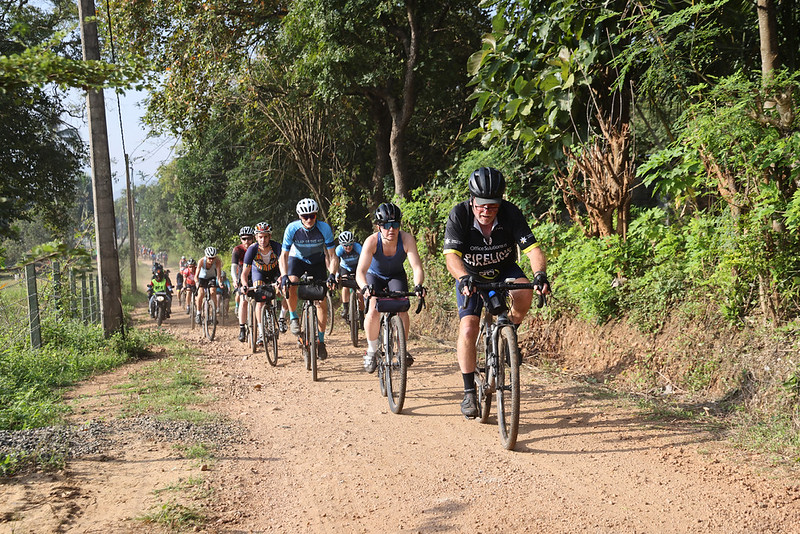
Sri Lanka offers a different kind of intensity. Its distances can look modest on paper, yet heat, humidity and sharp climbs ask plenty of the legs. The variety is remarkable: smooth coastal tarmac, red-earth tracks, tea-estate lanes, forest roads and undulating country routes linking ancient cities and hill stations. It is an exceptional choice for gravel riders, road cyclists and mixed-ability groups who want demanding riding without sacrificing comfort or character.
A useful starting point is to describe your ideal day rather than your ideal itinerary. How many hours do you want to be in the saddle? Do you enjoy technical descents or prefer flowing gravel? Is a big climb worth it for a dramatic view? Would you rather arrive at a boutique hotel, a mountain lodge or a simple local guesthouse? These answers create a far better brief than a list of famous landmarks.
Be honest about pace and ability
Bespoke does not mean easy. It means appropriate. A well-designed trip can include serious elevation, long stages and technical ground, but the challenge should be the one you came for, not an unpleasant surprise.
For a private group, the slowest rider should never feel like an inconvenience and the strongest rider should not feel held back every day. This is where thoughtful route design matters. Vehicle-supported options, shorter and longer variants, regrouping points and optional climbs can allow everyone to share the same journey while riding at a satisfying level.
Be candid about recent riding rather than relying on the mileage you hope to do once the holiday begins. Share whether you regularly ride consecutive days, how comfortable you are descending on loose surfaces, and how you tend to cope with heat or altitude. A good operator will use that information to protect the quality of the experience, not to talk you out of adventure.
Shape the journey around terrain and season
In South Asia, route choice and timing are closely linked. A road that is glorious in one month can be wet, dusty or inaccessible in another. The most memorable journeys work with the seasons rather than against them.
For Nepal, autumn and spring are classic periods for high mountain riding, with clearer skies and conditions generally suited to major climbs and remote valleys. Autumn often brings crisp visibility after the monsoon, while spring can offer warmer days and flowering hillsides. Winter suits lower-altitude adventures and cultural riding, but snow and cold can restrict high passes. Monsoon riding is possible in selected areas, though it requires realistic expectations, flexible routing and a willingness to embrace mud.
Sri Lanka’s weather patterns are more regional. The dry season on the south and west coast does not necessarily align with the best conditions in the north or east. This is an advantage for bespoke planning: with the right route, there is often an excellent place to ride at different times of year. A skilled local team can steer a journey towards the drier side of the island and balance exposed riding with cooler hill-country stages.
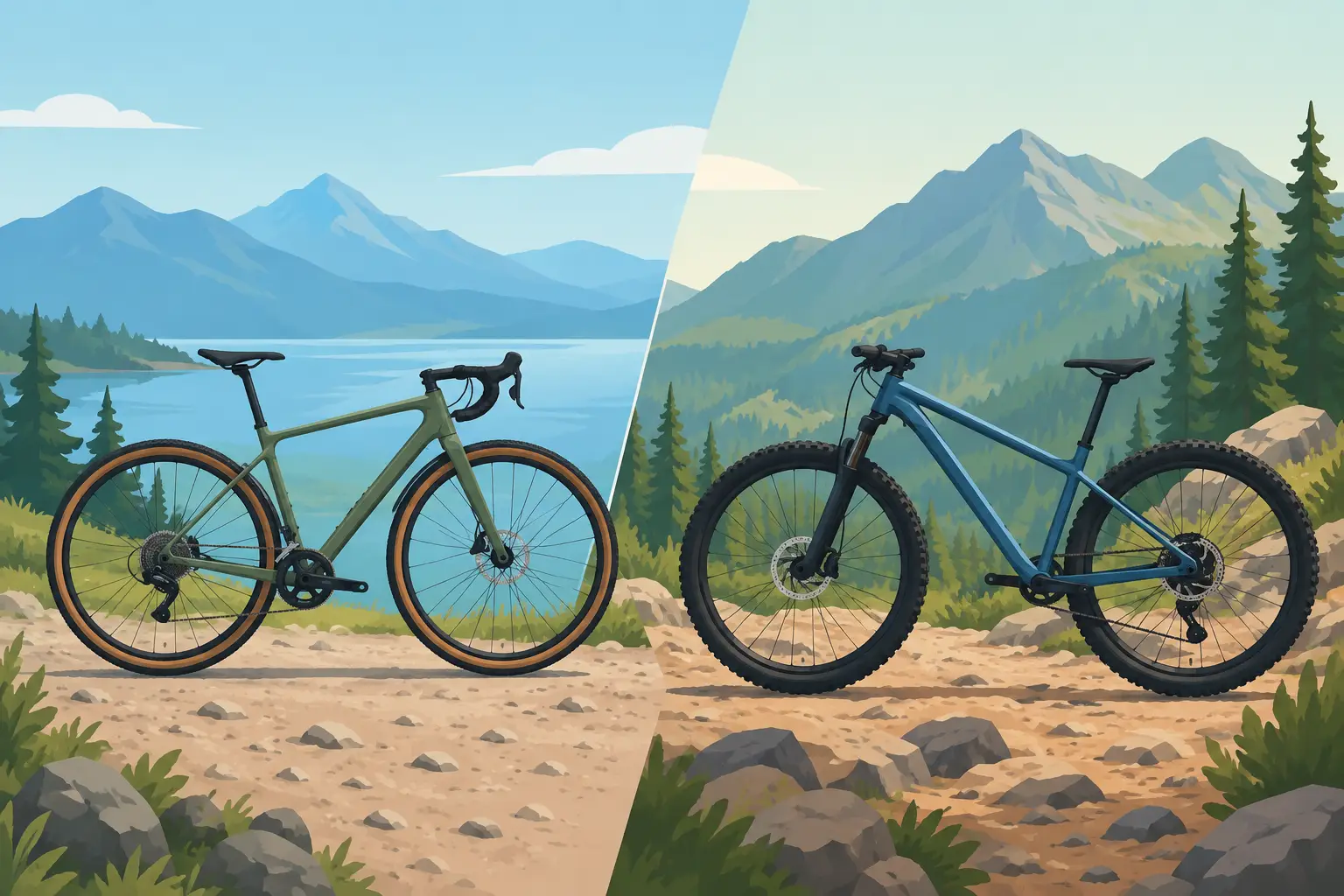
Terrain should guide your bike choice as much as your ambition. A gravel bike is wonderfully efficient on Sri Lanka’s estate roads and fast back lanes, but wider tyres and sensible gearing make a marked difference when tracks become rough. In Nepal, a hardtail or full-suspension mountain bike may be the wiser tool for rugged trails, while a capable gravel bike can be ideal for smoother mixed-surface expeditions. Bringing your own bike offers familiarity, but hiring locally can make international travel easier. It depends on how specific your fit and equipment requirements are, and on the kind of riding planned.
Build in the details that make the trip feel effortless
The glamour of an adventure ride often lives in the big moments: a prayer-flagged ridge, a tea plantation descent, a campfire under a huge night sky. Yet those moments are only enjoyable when the practical details have been properly handled.
A bespoke itinerary should account for airport transfers, bike assembly, internal transport, luggage movement, accommodation standards, dietary needs and access to food and water on the road. It should also include realistic transfer times. In Nepal, a short distance can take far longer than expected because roads follow valleys, cross rough ground or pass through busy towns. In Sri Lanka, traffic, heat and wildlife considerations may shape the safest and most enjoyable departure times.
Support should match the route, not be treated as a luxury extra. On remote or high-altitude days, a capable guide, mechanic, first-aid provision and vehicle support are central to the experience. On a lower-key self-guided ride, detailed navigation, responsive local assistance and carefully selected overnight stops may be exactly what you need. The right level of support gives you freedom, rather than making the holiday feel over-managed.
Accommodation is another meaningful choice. There are occasions when a simple mountain lodge is part of the adventure, and others when a characterful hotel, excellent food and a proper recovery night make the following day’s ride better. A strong itinerary varies its overnight stays with purpose rather than treating every night as a compromise.
Leave room for the places between the pedals
The finest cycling journeys are not simply routes with accommodation attached. They create access to a destination at a human pace. You notice the changing language of the landscape, stop at a roadside stall, speak with people who are curious about your bike and arrive in towns that would remain invisible from a coach window.
In Nepal, allow time beyond the high passes. Visit workshops and markets in the Kathmandu Valley, learn why a monastery matters to the community around it, or spend an extra evening in Pokhara watching light move across the Annapurnas. In Sri Lanka, make room for a spice garden lunch, a wildlife safari, a walk through Galle Fort or a rest afternoon in the tea country. These are not distractions from the ride. They give the miles their context.
This matters especially for groups with different motivations. One rider may come for elevation gain, another for photography, food or cultural discovery. A journey that includes both purposeful riding and unhurried encounters keeps everyone connected to the experience.
Choose a team with real local riding knowledge
A beautiful map is not enough. For complex destinations, the people planning your journey need to understand the road surface after rain, which villages make the best lunch stops, where traffic patterns change, which hotels welcome bikes and how altitude affects a rider on day three rather than day one.
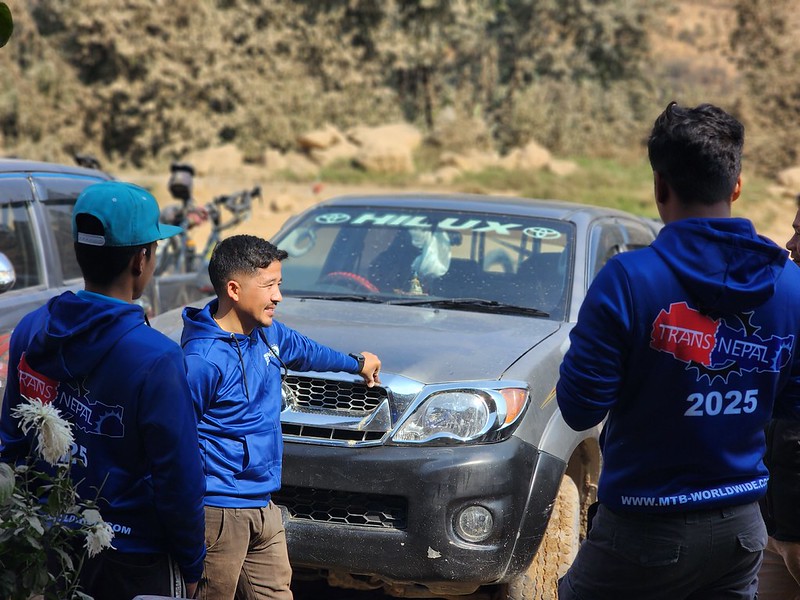
Multi Terrain Biking has spent more than 19 years riding, guiding and refining journeys across Nepal and Sri Lanka. That depth of experience matters when a route needs adjusting for weather, a group wants a tougher final climb, or a remote stage requires carefully managed support. The goal is not to make an adventure feel controlled. It is to make it feel possible.
Start your planning with the ride that has been sitting in the back of your mind: the climb, the coastline, the rough track or the far horizon. Give it the right shape, the right support and enough space for surprise, and it can become far more than a cycling holiday.