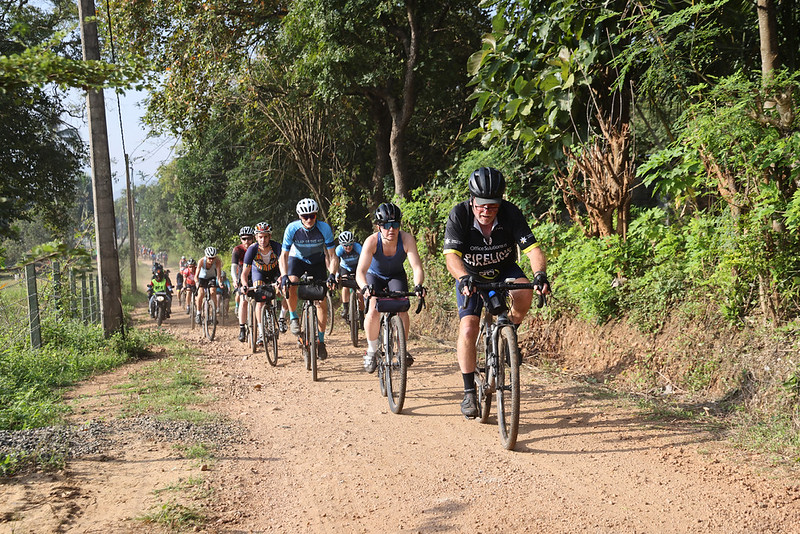

A big Himalayan climb, a remote tea-country descent or a dusty gravel road through rural Sri Lanka can feel wonderfully uncomplicated when you are riding it. The work that makes that possible happens behind the scenes. So, what does cycling support include? On a properly run guided cycling holiday, it is the practical and local expertise that turns an ambitious route into a stress-free, deeply immersive adventure.
Support is not simply a van following the group with spare water. It is route knowledge, mechanical preparation, comfortable recovery at the end of the day, clear decisions when conditions change and a team that knows where the best riding sits beyond the obvious roads. The exact level varies by trip, destination and riding style, but the principle remains the same: you should be free to focus on the next bend, climb and view.
What does cycling support include on a guided tour?
A supported cycling tour is a coordinated operation. Before you arrive, the team will have mapped stages, checked accommodation, planned meal stops, arranged transport and considered the realities of the terrain. In Nepal, that may mean accounting for altitude, rough mountain tracks and weather windows. In Sri Lanka, it can mean timing a ride around heat, monsoon patterns, busy town traffic or a spectacular but demanding climb into the central highlands.
On the ground, support usually combines expert guides, a support vehicle, luggage transfers, bike care, food and hydration, accommodation coordination, and local logistics. It also includes judgement. A route that looks straightforward on a screen can be very different after heavy rain, a landslip, a road closure or a local festival. An experienced crew has alternatives ready and knows when to adapt the plan without losing the spirit of the ride.
For riders travelling long-haul, this removes a great deal of friction. There is no need to spend precious holiday time negotiating unfamiliar transport systems with a bike box, wondering whether a remote guesthouse can cater for a hungry cyclist, or trying to find a workshop when a hanger bends halfway through a multi-day route.
Expert guides who know the riding
The guide is often the difference between visiting a destination and genuinely riding it. A strong cycling guide reads the group, sets an appropriate pace, explains hazards and brings the route to life with the kind of local detail that rarely appears in a guidebook.
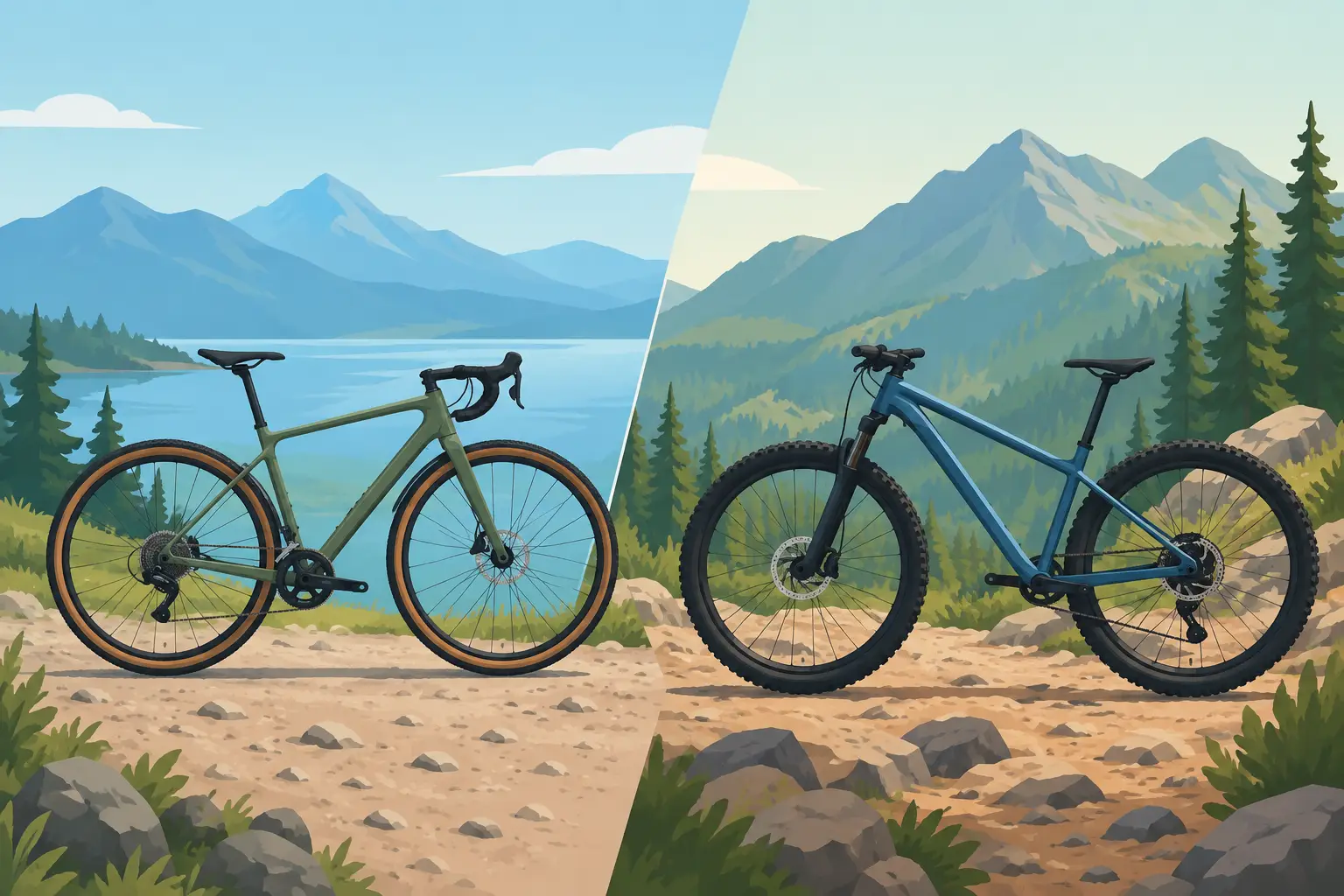
On a mountain bike or gravel itinerary, that means more than pointing towards the trailhead. They can explain which line holds better after rain, where the surface changes from hardpack to loose rock, and when a long climb is best tackled before the day heats up. On the road, they understand traffic patterns, fuelling stops and the quiet backroads that make a stage memorable rather than merely efficient.
There is also a human element. The best guides know when to encourage a rider through a difficult final ascent and when to suggest a lift in the vehicle. Supported riding should still feel like your achievement. The support is there to make challenge rewarding, not to turn every day into a sufferfest.
Lead and sweep support
Groups commonly ride with a lead guide and, where group size or terrain requires it, a sweep guide or support rider. The lead guide manages navigation and the day’s rhythm. The sweep ensures nobody is left isolated if they puncture, ride at a steadier pace or simply want more time for photographs.
This is particularly valuable in Nepal’s high mountains, where long distances can separate villages and mobile signal is not guaranteed. It is equally reassuring on Sri Lankan routes that move quickly from lively towns to quiet plantations and forested lanes.
Vehicle backup, water and daily logistics
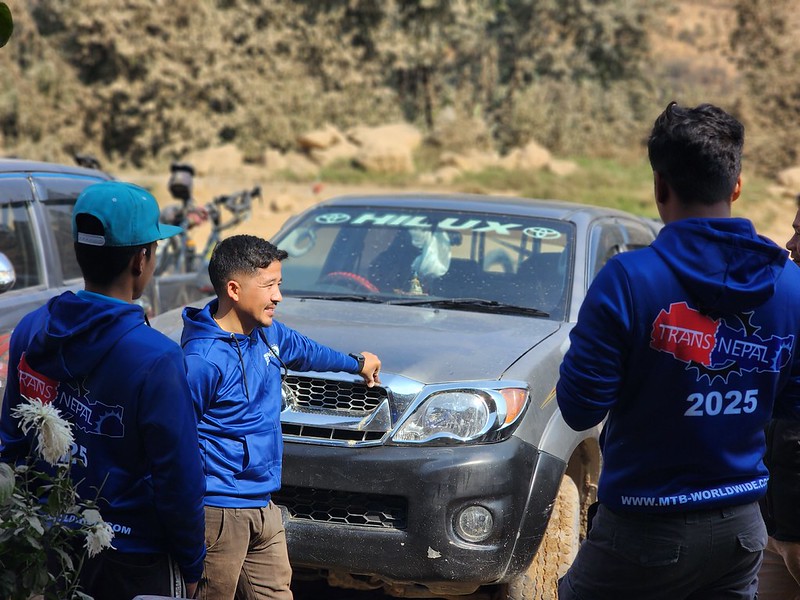
A dedicated support vehicle is the operational backbone of many guided cycling holidays. It carries luggage between overnight stops, provides a place for spare clothing, and transports the tools, parts and supplies that keep the trip moving. It may also be available for riders who need a break from the saddle, whether because of illness, fatigue, injury or a change in conditions.
There is a useful distinction here. Vehicle support is not an invitation to abandon the riding at the first hard climb. It is a safety net that gives every rider more confidence to attempt a route that might otherwise feel out of reach. For mixed-ability groups, it allows partners and friends to share the same journey while choosing different amounts of saddle time.
Regular water stops are normally planned around the stage rather than left to chance. Depending on the route, these can include fresh fruit, local snacks, electrolyte drinks and simple picnic-style lunches. In hot or humid conditions, hydration is managed proactively. At altitude, the team will also keep a close eye on how riders are responding and adjust the day sensibly.
The vehicle’s role changes on an endurance event. On a race such as Yak Attack, support is more structured and time-critical: equipment movements, checkpoint organisation, medical awareness, race communications and the reliable transfer of kit across demanding terrain all matter. Riders are still responsible for their own preparation and performance, but the event infrastructure makes an extraordinary challenge possible.
Bike mechanics and practical kit support
A cycling holiday should not come unstuck because of a worn brake pad or a tubeless tyre that refuses to seal. Support teams carry a working selection of tools, pumps, lubricants, tubes, plugs and commonly needed spares. They can deal with routine adjustments and roadside mechanical issues, helping keep delays short and the group together.
That said, riders should arrive with a well-serviced bike and bring model-specific spares that may be difficult to source locally, such as a derailleur hanger, unusual brake pads or proprietary electronic components. For a remote Nepal expedition, this is especially wise. Support can solve a great many problems, but no operator can carry every part for every bike on the market.
Bike assembly and packing assistance may also be included when you bring your own bike, while some trips offer quality hire bikes. The precise arrangement depends on the itinerary. It is worth asking in advance what is supplied, what should travel with you, and whether luggage limits apply on internal flights or vehicle transfers.
Accommodation, meals and the recovery equation
Cycling support continues long after the final descent. A well-chosen hotel or lodge matters because recovery matters. After six hours on rugged trails or a long day of climbing, riders need a warm shower, secure bike storage, a good meal and enough comfort to wake up ready for the next stage.
The style of accommodation should suit the journey. One trip may pair boutique hotels with elegant heritage properties and rewarding restaurant meals. Another may use simple mountain lodges because the route reaches places where luxury is neither realistic nor the point. The trade-off is part of adventure travel: the more remote the riding, the more modest some overnight stops may be. What matters is that expectations are clear and the standards are appropriate for the location.
Meals are generally planned with active days in mind. Breakfast needs to fuel the first hours; lunch should be timely and practical; dinner is where local flavours and proper recovery meet. Nepalese dal bhat, Sri Lankan curries, tropical fruit and fresh regional cooking can become a memorable part of the trip, while dietary requirements should be discussed well before departure.
Safety, flexibility and local problem-solving
No adventure route is completely predictable. The value of an experienced operator becomes clearest when something shifts. A guide team monitors weather, road and trail conditions, keeps communication channels open, and makes decisions with both enjoyment and safety in mind.
Support may include first-aid-trained staff, access to local medical facilities, emergency action procedures and reliable communications between guides and vehicles. It does not replace appropriate personal travel insurance or a rider’s responsibility to disclose relevant medical conditions. It does mean there is a capable team beside you when a situation needs calm, informed action.
Local relationships are just as important. A trusted network of drivers, hoteliers, mechanics and community contacts can resolve issues quickly, whether that means finding a replacement wheel, arranging an earlier transfer, or adapting a route around a temporary closure. This is the quiet expertise Multi Terrain Biking has built across Nepal and Sri Lanka over years of operating in terrain where generic tour planning is rarely enough.
Guided, self-guided and event support are different
Not every rider wants the same structure. A fully guided holiday offers the greatest day-to-day reassurance, social riding and local interpretation. It suits riders who want to arrive, ride and leave the logistics to a capable crew.
A self-guided journey typically gives more independence, with route files, detailed notes, pre-booked accommodation, luggage arrangements and an on-call local contact. You choose your pace and often your stops, but still benefit from a route that has been carefully tested. It is ideal for confident riders who value freedom without wanting to build every transfer and overnight stay from scratch.
Events sit in their own category. They provide an organised framework, rules, checkpoints and event-specific logistics, but they usually demand greater self-reliance. If your goal is to test yourself in a multi-stage race, check exactly what the organiser supplies and what you must carry, service or arrange yourself.
The right level of cycling support is ultimately the one that lets you ride boldly without making unnecessary compromises. Ask about guide ratios, vehicle access, mechanical cover, accommodation standards and contingency planning before you book. Then choose the route that makes you look forward to the hard days as much as the easy ones – because the best support leaves the adventure intact.