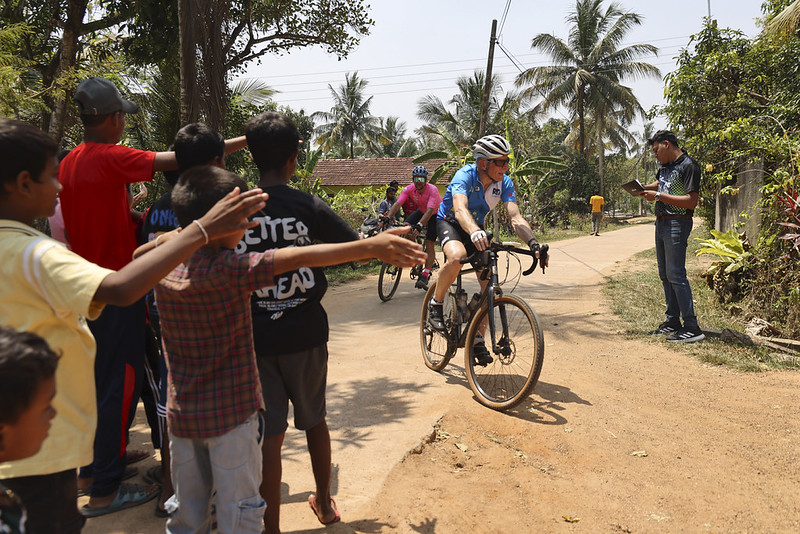
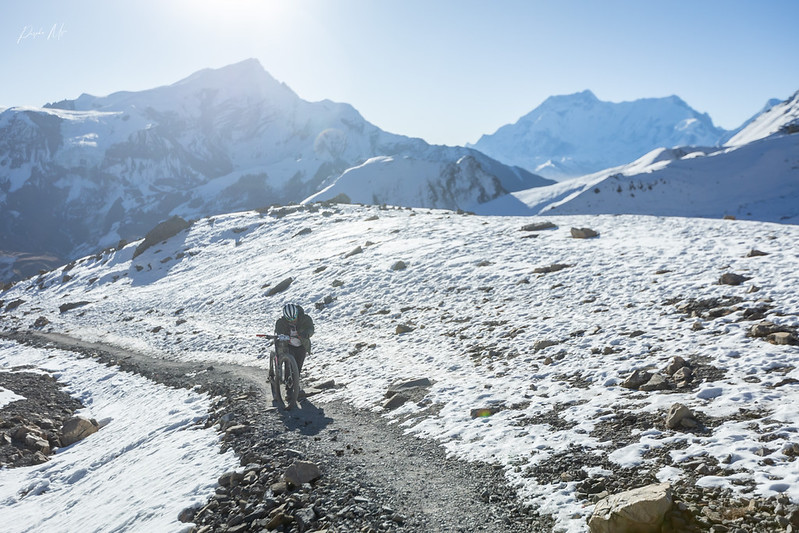
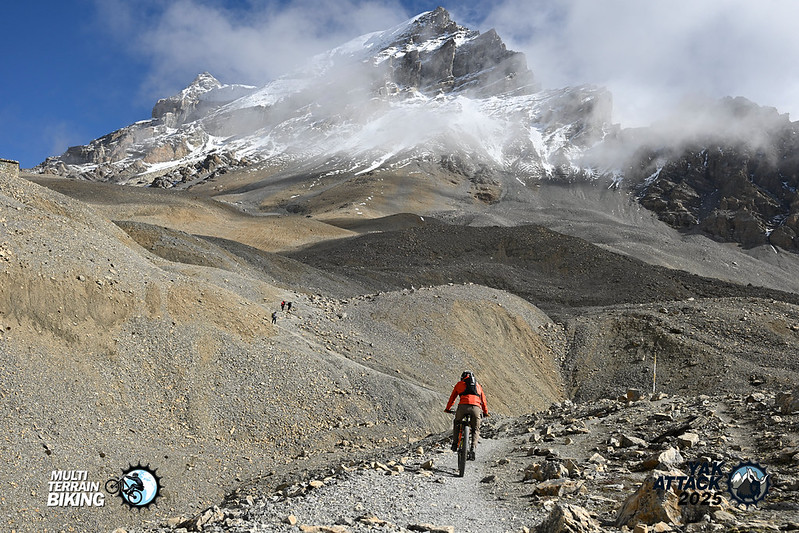
There are gravel rides, and then there is the Trans Nepal gravel ride – a point-to-point journey across a country built for big horizons, hard days and unforgettable riding. This is not a tidy lap-based event with familiar trail-centre rhythm. It is Nepal in full: ancient trading routes, Himalayan viewpoints, remote tracks, lung-busting climbs, fast descents and the kind of riding week that stays with you long after the dust has left your kit bag.
For the right rider, that is exactly the appeal. The Trans Nepal gravel ride is not only about covering kilometres. It is about handling changing terrain, managing effort at altitude, staying sharp over consecutive days and embracing the cultural depth that makes riding in Nepal feel different from anywhere else.
What makes the Trans Nepal gravel ride special
The first thing to understand is that this adventure is defined by movement. Rather than circling one venue, you travel through landscapes that shift dramatically from stage to stage. One day might bring dry, dusty and rough jeep roads. The next could feature long valley traverses, steep forested climbs or descents that test nerve, line choice and braking control in equal measure.
That variety is the point. Nepal is not a manufactured riding destination. Trails here have histories. They connect villages, monasteries, ridge lines and farming communities. Riding across them adds a level of texture that many gravel rides cannot match. You are not simply passing through scenery. You are riding through living terrain, where route choice, weather, altitude and local conditions all shape the day.
There is also the mental draw. A gravel ride like this asks more from you than raw watts. It rewards riders who can adapt, pace themselves well, stay calm when the gradient kicks up and still appreciate where they are. For many international riders, that mix of challenge and immersion is what turns a cycling adventure into a proper travel experience.
The riding experience on the Trans Nepal gravel ride
Expect an adventure that delivers proper cumulative fatigue. Nepal rarely gives you flat kilometres for free, so climbing is a central feature. Not all of it is outrageously steep, but enough of it arrives at altitude, on rough surfaces or late in the day to make pacing critical.
Descending is equally important. Riders used to manicured bike-park flow need to adjust quickly. Trails can be loose, natural and unpredictable. Surfaces change fast. Corners tighten. Dust, rock, roots and water bars all appear in the mix depending on the region and season. A rider with smooth handling and sensible restraint will often gain more over a week than someone who goes all in on day one.
The route usually suits experienced gravel bikers with good all-round skills rather than specialists who only excel in one type of terrain. Strong climbers will have their moments, of course, but technical confidence and consistency matter just as much. The best approach is to think of it as an endurance ride with a genuine adventure backbone.
Is this gravel adventure for you?
If your ideal cycling trip combines challenge, destination depth and proper logistical support, the answer may well be yes. The route tends to appeal to riders who already have a few multi-day events, marathon races or mountainous bikepacking efforts behind them. You do not need to be an elite athlete, but you do need fitness, resilience and the willingness to be uncomfortable at times.
It is also a strong fit for riders who want more than a finish line. Nepal delivers that rare combination of physical test and travel richness. You can ride hard all morning, roll through villages lined with prayer flags in the afternoon and sit down to a hot meal with mountain views by evening. That contrast is hard to beat.
If, however, you prefer highly predictable trail conditions, low logistical complexity or short-format racing, it may not be your best match. Nepal is rewarding, but it asks for flexibility. Weather can shift plans. Altitude affects riders differently. Travel days are part of the rhythm. The reward is immense, but this is not a plug-and-play weekend event.
Training for the Trans Nepal gravel ride
Preparation should start with honesty. The strongest predictor of a good ride in Nepal is not one heroic training block but months of steady work. You want endurance first, then climbing durability, then the ability to repeat hard efforts over several days.
Long rides matter because they teach pacing and fuelling. Back-to-back training days matter because the tour will ask you to perform with tired legs. Climbing matters because Nepal always finds more of it. If you live somewhere flatter, use longer threshold intervals and low-cadence strength work to simulate sustained climbing load, then add stairs, gym sessions or hiking to build resilience.
Technical practice is worth prioritising. Natural descents reward relaxed handling, good body position and the ability to look ahead. If your local riding is smooth and predictable, seek out rougher trails before travelling. Even a few focused sessions on loose corners, braking control and line choice can make a real difference.
Altitude is the bigger unknown. You cannot fully fake it if you live at sea level, but you can arrive in strong aerobic shape and with realistic expectations. Riders who respect the altitude, start conservatively and recover well usually fare better than those trying to prove a point on the opening stage.
Bike choice, kit and setup
For previous 2 events there has been a varied array of bike choices. From traditional gravel bikes with 40mm tyres to full suspension mountain bikes. Each set up has it’s on benefits ( and downfalls). For instance a full suspension MTB is a wonderful thing to have on an 18km rough descent, but not so ideal on a 1000m high altitude climb. Ultimately it is best to come with what you are comfortable with and used to handling, Trans Nepal is an adventure not a race.
Tyre choice matters more than many visitors expect. Nepalese terrain can be rocky, loose and abrasive, so reliability should sit ahead of outright speed. A sensible tubeless setup with reinforced casings, fresh sealant and tread you trust on mixed surfaces is usually the smart call. Brakes should be in excellent condition. So should your drivetrain.
Beyond the bike, take layering seriously. Early starts can be cold, climbing can be hot and mountain weather can swing quickly. Pack as a rider who expects variation, not one perfect forecast. Contact points should be sorted before departure – saddle, shoes, gloves and eyewear are not the places to experiment during race week.
Logistics and support in Nepal
This is where a professionally run event makes a real difference. Nepal is an extraordinary riding destination, but it is not the place to leave major moving parts to chance. Transfers, accommodation, meals, route management, local staffing and mechanical support all shape the quality of the week.
A good operation removes friction without diluting the adventure. That means clear briefings, dependable timing, smart planning and teams on the ground who understand both riding and Nepal itself. Multi Terrain Biking has built its reputation on exactly that mix – deep destination knowledge, event expertise and the ability to make demanding journeys feel expertly crafted rather than chaotic.
For overseas riders, this support is often what turns a bold idea into a realistic booking. Bringing a bike halfway across the world is one thing. Doing it with confidence, and knowing the route, accommodation and local logistics are handled well, is another.
The Nepal factor beyond the ride
What lifts this event above a pure sporting challenge is the country around it. Nepal has a way of making each stage feel part of a much bigger story. The mountain views are obvious enough, but the texture of the experience runs deeper – temple towns, hillside farms, roadside tea stops, the soundtrack of village life and the ever-present sense that these routes belong to the land rather than to an event map.
For many riders, that becomes the defining memory. Not simply the hardest climb or fastest descent, but the feeling of crossing terrain that is both physically demanding and culturally rich. It gives the ride weight. You are there to perform, yes, but also to experience a remarkable country under your own power.
What to expect at the end of each day
Big days are easier with great recovery, and Nepal rewards riders who take this seriously. Eat early, drink more than you think you need, clean the bike if conditions demand it and sort tomorrow’s kit before you switch off. Sleep is gold. So is restraint. There is always a temptation to empty the tank to chase one Strave segment, but most riders have a better week when they think in stages rather than moments.
You should also expect camaraderie. Endurance rides in destinations like this tend to attract riders with a similar outlook – adventurous, certainly, but also curious and open to the shared experience. By day three or four, the conversations over dinner are often as memorable as the ride itself.
If the Trans Nepal gravel ride is on your radar, treat it with the respect a serious Himalayan event deserves, then go all in. Arrive prepared, ride with patience, keep your eyes open and let Nepal do what it does best – turn a tough week on the bike into a story worth telling properly.