

A self-guided ride should feel like freedom, not a daily puzzle involving missed turns, a puncture in rising heat and a hotel that is nowhere near where you expected it to be. Knowing how to choose a self guided bike tour means looking beyond beautiful route photography and asking a more useful question: will this trip let you ride brilliantly, confidently and at your own pace?
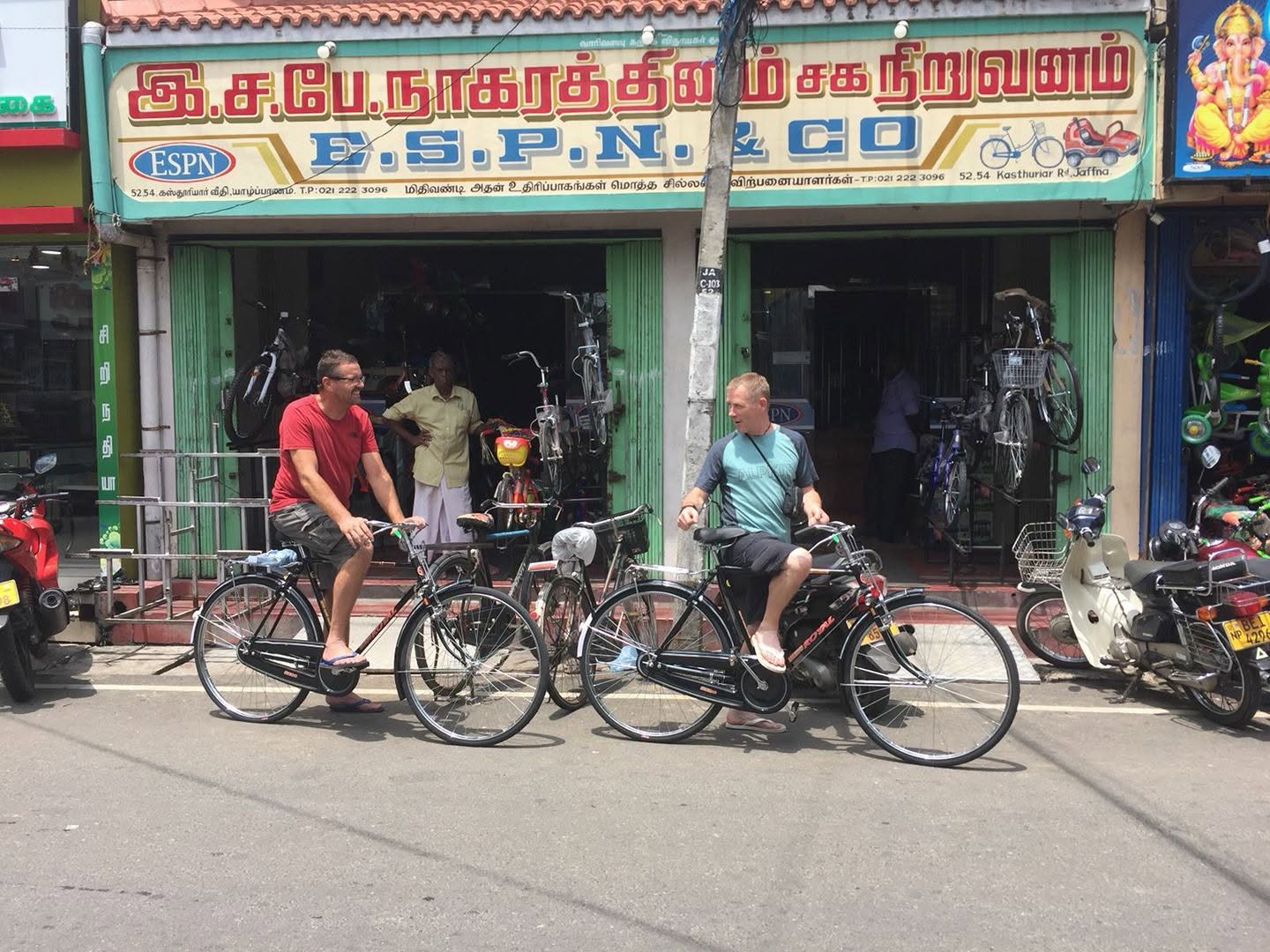
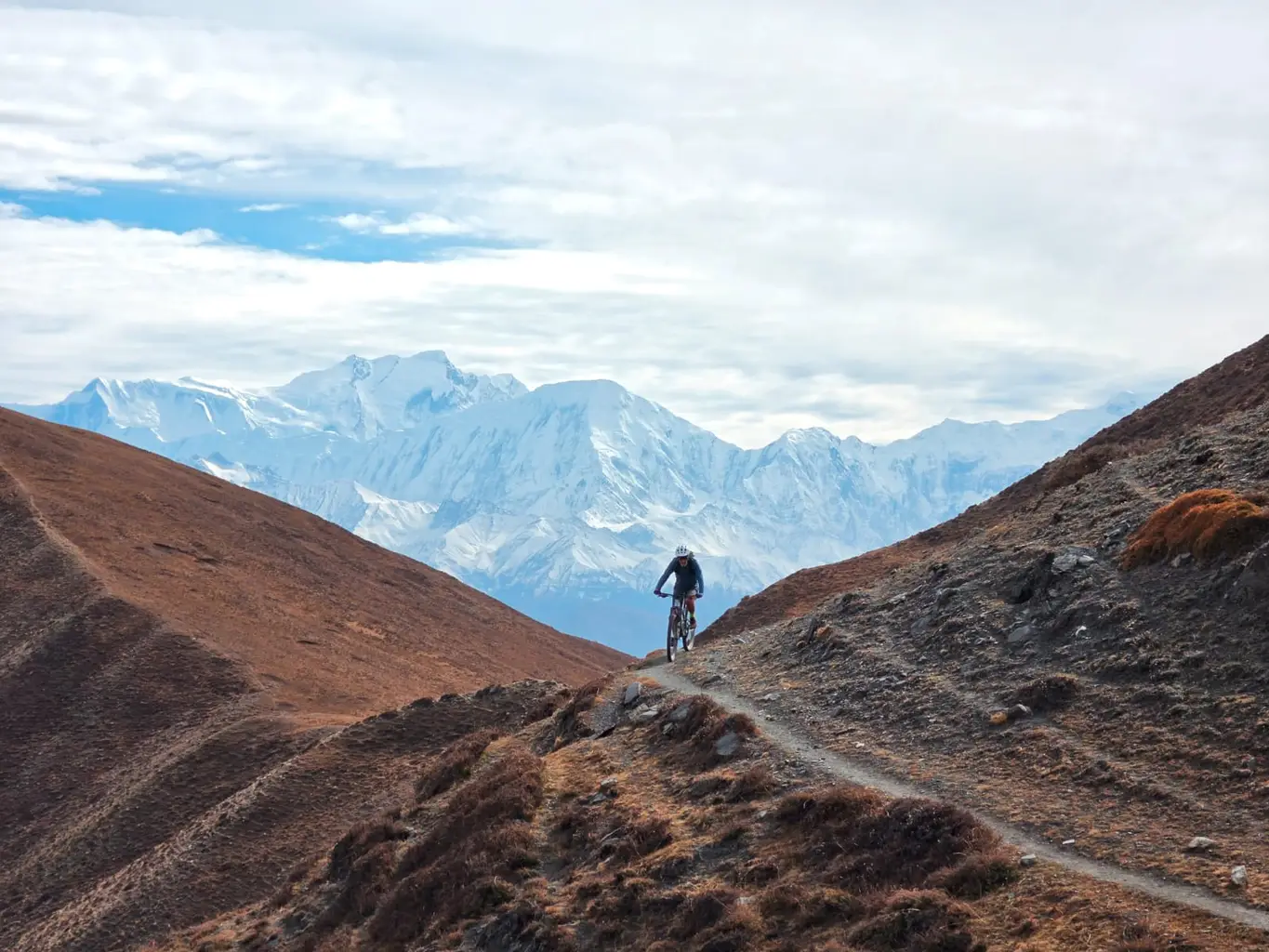
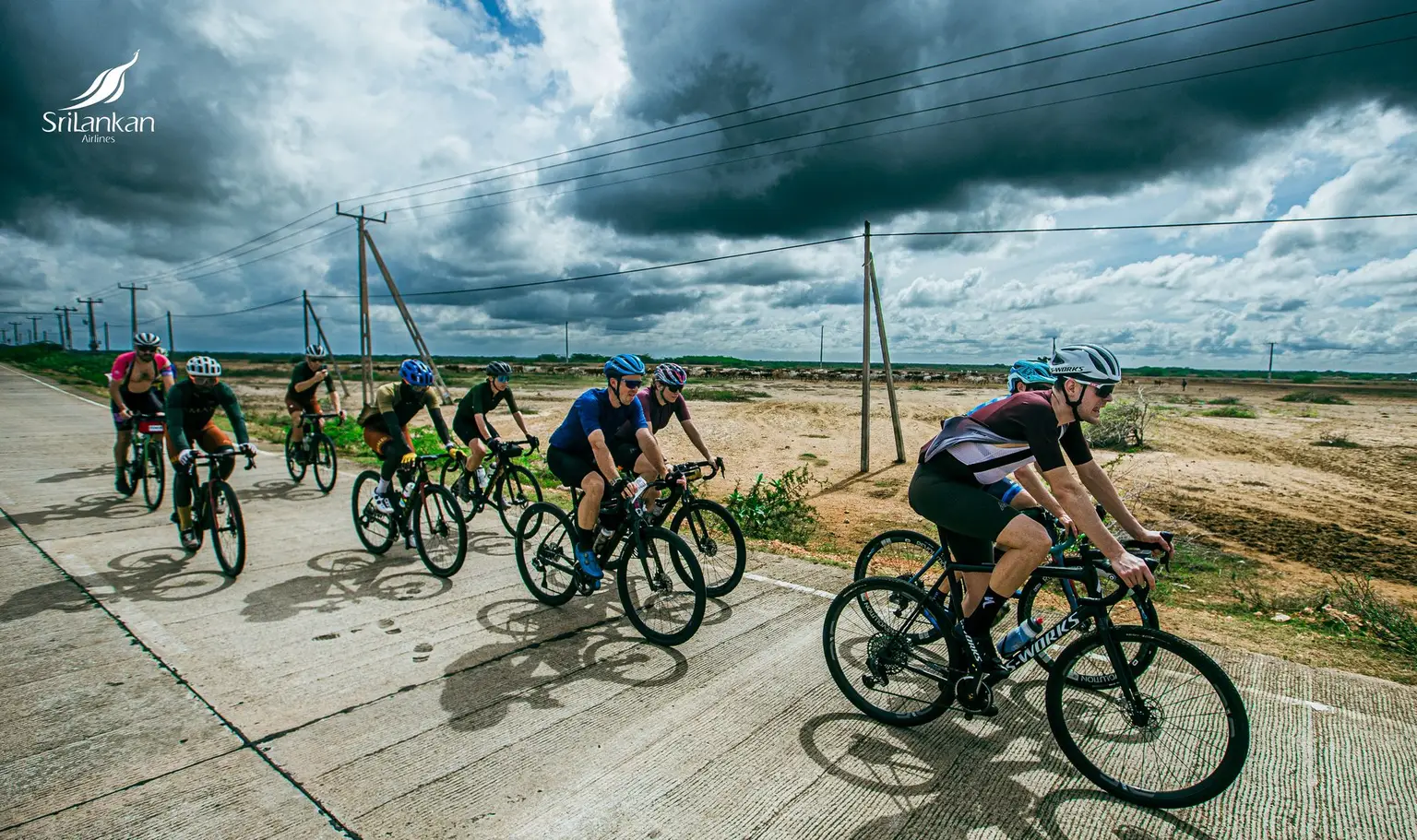
For a cycling holiday in a destination such as Nepal or Sri Lanka, the answer rests on much more than mileage. Terrain, weather, road conditions, cultural pace, luggage transfers and the quality of local support all shape the experience. Choose well and you can spend your days tracing tea-country backroads, rolling through ancient villages or climbing towards Himalayan horizons, with the difficult logistics already handled.
Start with the ride you genuinely want
The best self-guided bike tour is not necessarily the hardest, the most remote or the one with the biggest elevation figure. It is the route that suits your riding style and what you want from your time away.
Be honest about whether you are seeking long, steady road climbs, technical mountain bike trails, fast gravel, quiet lanes or a cultural journey with time to stop. A route described as “mixed terrain” can mean forgiving hardpack in one destination and loose, rocky tracks in another. Ask for a clear picture of the surfaces, not just a broad label.
In Sri Lanka, a day that looks modest on paper can include humid lowland riding, rough plantation tracks and a sharp climb into cooler hill country. In Nepal, altitude and remote mountain roads can turn a relatively short stage into a serious undertaking. Neither is a reason to avoid the trip. They are reasons to choose the right route, bike and itinerary.
Read daily distances alongside climbing
Daily kilometres only tell half the story. Look at elevation gain, surface, expected riding time and the likely temperature at the time of year you plan to travel. Sixty kilometres on smooth tarmac with a tailwind is entirely different from sixty kilometres of undulating gravel in tropical heat.
A well-designed itinerary leaves room for the moments that make travel memorable: a tea stop, a temple visit, a swim, a photograph at a mountain pass or simply an unhurried lunch. If every day appears tightly scheduled from breakfast to dusk, the route may be designed around covering ground rather than enjoying it.
Consider your group, too. Mixed-ability couples and friends can have a superb self-guided holiday, but only when the tour includes sensible shorter options, vehicle support or occasional rest days. The strongest itineraries offer flexibility without making anyone feel they have failed the route.
Choose self-guided support, not just a route file
A GPX track is useful. It is not a complete self-guided tour.
In unfamiliar countries, the value of a specialist operator lies in what happens around the navigation: carefully chosen accommodation, reliable bike set-up, current route intelligence, luggage transfers, transport when needed and a responsive local contact who understands the area. These details are what turn an ambitious long-haul cycling trip into a stress-free adventure.
Before booking, establish exactly what support is included. You should know how luggage moves between hotels, whether there is a support vehicle, what happens if you are unable to complete a stage and how quickly assistance can reach you in more remote areas. Ask whether the team can arrange a transfer around an exceptionally tough section if weather, fatigue or illness changes the plan.
Navigation matters, but it should be backed up. A quality operator provides a reliable route device or clear app-based navigation, along with offline mapping and practical briefing notes. In mountain valleys and rural areas, mobile signal cannot be assumed. Your daily information should cover junctions, water stops, fuel options, local customs and potential route hazards, rather than simply showing a blue line on a screen.
Assess the destination through the seasons
The same route can be magical or miserable depending on when you ride it. Weather shapes visibility, trail condition, road traffic, river crossings and how much energy you have left for a final climb.
For Nepal, the clearest mountain views and most reliable high-altitude riding conditions generally sit outside the monsoon period. Spring and autumn offer different rewards, from warmer days and rhododendron colour to crisp post-monsoon air and major cultural festivals. Higher routes demand more careful seasonal planning, particularly where snow or cold overnight temperatures are factors.
Sri Lanka is more complex because its monsoon patterns vary by coast and region. It is possible to build an excellent cycling journey across much of the year, but the best direction of travel, daily start times and route selection should reflect the prevailing weather. An operator with genuine local knowledge will explain the trade-offs rather than promising perfect conditions everywhere.
Do not overlook heat. Riders used to British summer temperatures can underestimate the effect of humidity, especially during the first few days. A sensible itinerary may begin riding early, reserve long climbs for cooler regions and build in time to acclimatise.
Put bike choice and mechanical planning first
Your bike determines how much of the route you enjoy. The right choice depends on surface, riding ambition and comfort, not fashion.
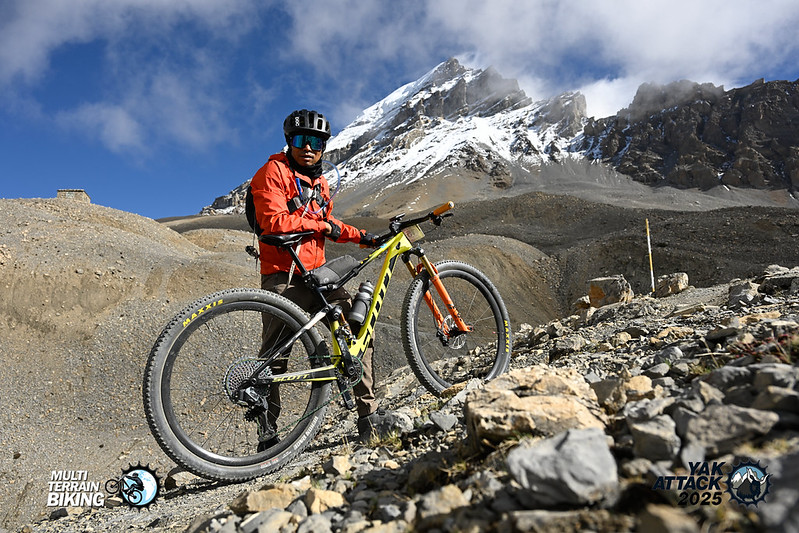
A gravel bike may be ideal for flowing dirt roads, quiet tarmac and hardpack tracks, while a hardtail mountain bike gives greater confidence on broken descents and rougher trails. For relaxed cultural touring on predominantly sealed roads, a touring bike or e-bike can make long days more accessible. If you choose electric assistance, confirm battery capacity, charging arrangements and whether it is appropriate for the route’s remoter sections.
Find out whether the tour includes a high-quality hire bike, what specification it has and whether you can bring your own. If you travel with your own bike, ask about airport transfers, bike box storage and whether the operator can provide tools, spares and a secure place for maintenance. Tubeless tyres, brake pads and drivetrain wear deserve particular attention on dusty, mountainous or wet routes.
A good pre-departure conversation about saddle preference, pedal system, tyre choice and bike fit is not a luxury. It is the difference between noticing the landscape and counting down the hours to the next hotel.
Look closely at the overnight experience
On a self-guided bike tour, your accommodation is part of the recovery plan. After a big day, riders need a warm welcome, secure bike storage, a proper shower, good food and a realistic location for the following morning’s departure.
The most memorable itineraries often combine distinctive stays rather than repeating one predictable hotel style. That could mean a heritage property in a historic town, a peaceful eco-lodge near a national park or a characterful mountain guesthouse with views you will remember long after the ride. The trade-off is that remote areas may offer simpler facilities. What matters is that this is communicated clearly and balanced intelligently across the journey.
Check how meals work, especially on long or isolated stages. Can breakfast be served early? Are packed lunches available? Does the route pass reliable food stops? Dietary requirements can usually be accommodated, but should be discussed before departure rather than hoped for at the end of a demanding day.
Test the operator’s local credibility
A polished website and striking imagery are not enough. For self-guided travel in unfamiliar terrain, you want a team that knows the roads after a storm, the hotel that has changed management and the village where roadworks have altered a junction.
Ask how often routes are checked, who creates the itineraries and whether support is delivered by people based in the destination. Look for specific answers about terrain, transfers, safety and contingencies. Vague reassurance is less valuable than a candid explanation of where a route is challenging and how the team manages it.
Multi Terrain Biking has spent more than 19 years building routes, partnerships and operational knowledge across Nepal and Sri Lanka. That depth matters when you want the independence of self-guided riding without being left alone to solve the complications of a complex destination.
Leave room for the unexpected
The right tour gives you a framework, not a timetable so rigid that a spontaneous invitation for chai or a pause beside a stupa feels inconvenient. Build in at least one rest day on longer itineraries, particularly where altitude, heat or sustained climbing is involved. Arriving a day before the ride begins is also wise, allowing time for bike fitting, a briefing and recovery from the flight.
Travel insurance, emergency contacts and a realistic view of your fitness are essential, but do not let planning drain the adventure from the trip. The point of a self-guided cycling holiday is to feel the road unfolding under your own steam while knowing the crucial details are in expert hands.
Choose a route that excites you slightly more than it intimidates you, then give yourself enough time to enjoy every kilometre. The best days are rarely the fastest ones – they are the ones where the riding, landscape and local welcome all arrive at exactly the right pace.