You can feel the difference on day one. In Nepal, the road tilts skyward, the air thins, and every bend seems to reveal another wall of mountains. In Sri Lanka, the rhythm is greener, warmer, and more fluid – jungle roads, tea country climbs, coastal stretches, and a constant sense that the next village is just around the corner. If you are weighing up nepal versus sri lanka cycling, the right choice is less about which destination is better and more about what kind of rider, traveller, and challenge you want to be.
Nepal versus Sri Lanka cycling – what really changes?
At a glance, both countries offer big scenery, rich culture, and the sort of riding that feels a long way from standard European cycling holidays. Yet they deliver that promise in very different ways.
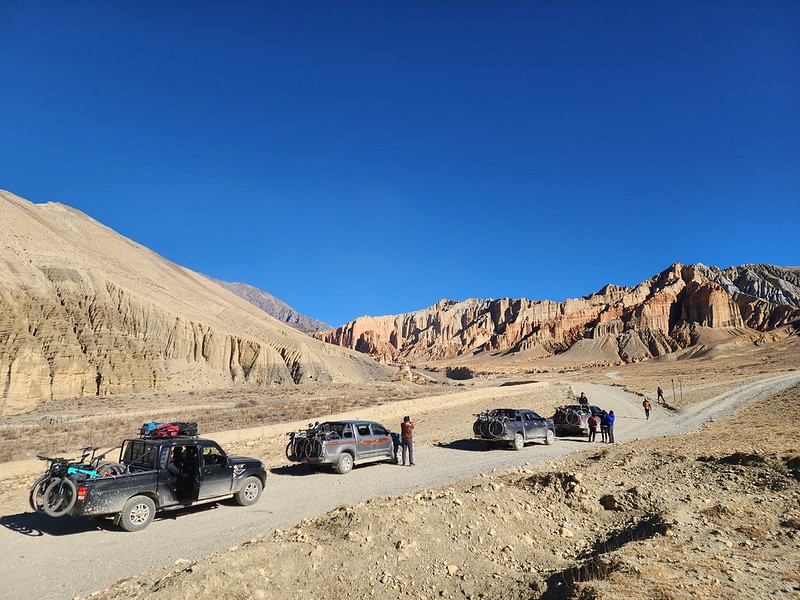
Nepal is dramatic, high-altitude, and often raw. It suits riders who want scale, challenge, and a real sense of expedition. The roads can be rougher, the elevation more serious, and the riding days more committing. You come for the Himalaya, for remote valleys, for long mountain roads and off-road sectors that feel earned.
Sri Lanka is more compact, more tropical, and generally more immediately accessible. Distances between landscapes are shorter, which means a single trip can blend coast, rainforest, paddy fields, ancient cultural sites, and cool hill country. The riding is still varied and rewarding, but the effort tends to come from heat, rolling terrain, and repeated climbs rather than extreme altitude.
That distinction matters. If your dream ride is about mountain horizons and bucket-list elevation, Nepal usually takes the lead. If you want a deeply immersive cycling holiday with excellent variety and a smoother balance of challenge and comfort, Sri Lanka is often the stronger fit.
Terrain and ride style
Nepal is built for riders who enjoy vertical gain and changing surfaces. Paved mountain roads, jeep tracks, gravel sections, and high trails can all feature in the same journey depending on the route. Even on guided road-focused itineraries, climbing is usually central to the experience. This is a destination where a 70-kilometre day can feel substantial, not because the distance is huge, but because the terrain keeps asking questions.
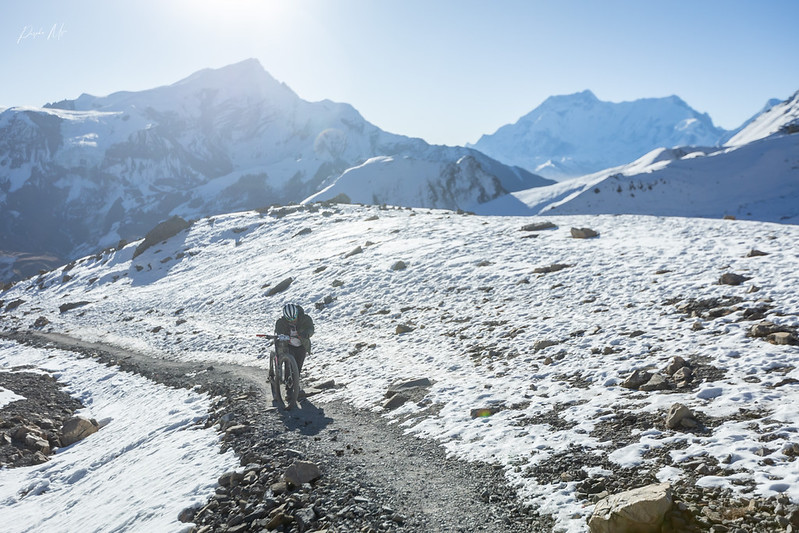
There is also a particular kind of reward in Nepal that is hard to replicate elsewhere. Big ascents tend to come with equally big context – snow peaks, monastery towns, deep river gorges, and ridgelines that make every pedal stroke feel part of a larger journey. For strong riders, mountain bikers, gravel riders, and endurance-focused cyclists, that is a powerful draw.
Sri Lanka rides differently. The gradients can still bite, especially in the hill country, but the country lends itself to more flowing point-to-point days. You may roll through fishing villages in the morning, climb through tea plantations after lunch, and finish near a colonial-era town or wildlife-rich reserve. The roads are often narrower and more intimate, with a strong sense of passing through everyday life rather than traversing vast wilderness.
For leisure-focused riders and couples with mixed ambitions, Sri Lanka often feels easier to shape into a premium cycling holiday. For riders who want to test themselves physically while staying in exceptional lodges and boutique hotels, it is a superb match.
Climate, seasons and comfort
If you are comparing nepal versus sri lanka cycling from a practical planning angle, climate is one of the biggest decision-makers.
Nepal has more pronounced seasonal highs and lows. Autumn and spring are the classic windows, with clear skies, stable conditions, and mountain views at their sharpest. Ride in these months and the scenery can be extraordinary. The trade-off is that nights at altitude can be cold, and weather shifts in the mountains always need respecting.
Sri Lanka offers more flexibility, but regional weather patterns matter. One coast may be at its best while another is wetter, so route design is key. Well-crafted itineraries make the most of the island’s shifting seasons and can deliver excellent riding for much of the year. Temperatures are generally warmer than Nepal, and humidity can be a factor, particularly for riders who are more used to dry alpine effort than tropical conditions.
Comfort on the bike means different things in each country. In Nepal, it often comes down to pacing, acclimatisation, and sensible support. In Sri Lanka, it is more about hydration, heat management, and choosing the right daily distance.
Roads, traffic and technical difficulty
Neither destination should be treated as a plug-and-play cycling break. Both reward riders who value local expertise and smart logistics.
In Nepal, road conditions can vary widely. Fresh tarmac may give way to broken surfaces, mountain roads can be exposed, and remote sectors require proper planning. That unpredictability is part of the appeal for experienced adventure cyclists, but it does mean route quality matters enormously. Support vehicles, local guides, and realistic stage lengths can turn a tough ride into an outstanding one.
Sri Lanka is generally less technically demanding, though not always easier. Traffic can be lively in busier areas, roads can be narrow, and the climate adds a different layer of fatigue. Still, for many riders the riding feels more continuous and forgiving, particularly on itineraries designed to avoid the busiest transport corridors.
If you are an accomplished mountain biker or gravel rider looking for serious adventure, Nepal has the edge. If you are primarily a road cyclist, active traveller, or small group looking for challenge without the same level of expedition intensity, Sri Lanka often proves more versatile.
Culture, immersion and the shape of the journey
Both countries are exceptional beyond the bike, but the atmosphere of travel is distinct.
Nepal feels expansive and elemental. Buddhist and Hindu traditions sit against a Himalayan backdrop that gives the whole experience unusual depth. Tea stops can turn into long conversations, mountain settlements feel remote in the truest sense, and there is often a strong expedition rhythm to the day – ride, refuel, regroup, climb again, arrive somewhere that feels genuinely far from the usual map.
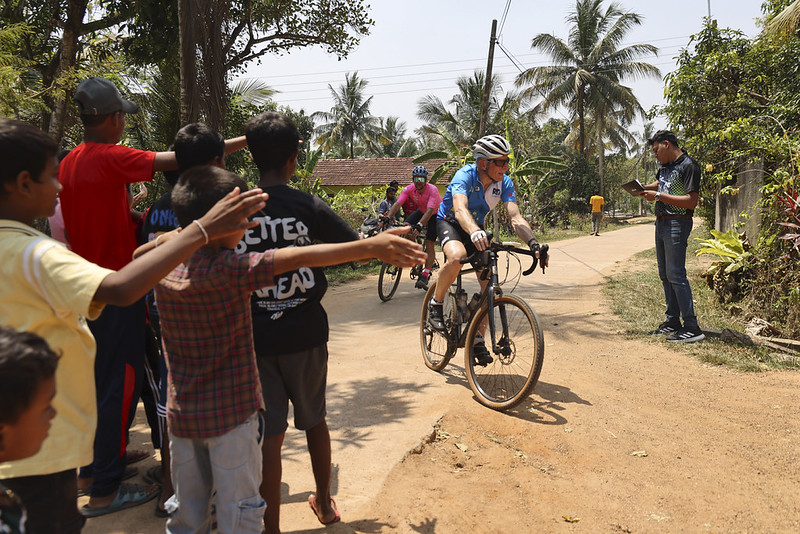
Sri Lanka is densely layered and highly sensory. Temples, wildlife, tea estates, colonial architecture, spice gardens, fishing communities, and bustling local markets all sit within manageable reach. The cultural immersion can feel more continuous because the island is compact and populated. You are rarely far from a vivid encounter, whether that is schoolchildren waving from the roadside or a fresh curry waiting at the end of the stage.
For some riders, Nepal delivers the bigger story. For others, Sri Lanka offers the richer balance of riding and wider travel experience. It depends whether you want your holiday to feel more like an expedition or more like a multi-layered journey through one compact island.
Which rider suits Nepal and which suits Sri Lanka?
Nepal is often the natural choice for riders drawn to altitude, endurance events, mountain biking, and serious climbing. It suits those who are motivated by iconic terrain and who do not mind that the road may be rougher, the hotels more variable in remote regions, or the riding more physically committing. If your idea of luxury includes expert logistics, remote access, and the privilege of riding in truly extraordinary terrain, Nepal delivers in a big way.
Sri Lanka suits a broader spectrum. It works beautifully for gravel riders, road cyclists, couples, private groups, and active travellers who want first-class support with a high comfort factor. It can be tailored to feel challenging, relaxed, or a smart blend of both. Riders who care about cultural immersion, polished hospitality, and broad scenic variety often come away surprised by just how complete the experience feels.
For event riders, the distinction sharpens further. Nepal speaks to those chasing altitude, legend, and hard-earned bragging rights. Sri Lanka is ideal for riders who want a premium endurance experience in a tropical setting, where the challenge is real but the finish-line atmosphere still feels warm and celebratory.
The best answer to Nepal versus Sri Lanka cycling
The strongest cyclists do not always choose Nepal. The smartest travellers do not always choose Sri Lanka. The best decision comes from being honest about what excites you most.
Choose Nepal if you want mountain scale, bigger elevation, more remote riding, and the sort of days that stay with you for years because they asked something of you. Choose Sri Lanka if you want variety, warmth, smoother logistics, and a cycling holiday where challenge and comfort work brilliantly together.
For many riders, the real answer is not either-or. It is first one, then the other. These are two of the most compelling cycling destinations in Asia, and they complement each other remarkably well. Multi Terrain Biking has spent nearly two decades crafting rides across both, because each country offers a distinct kind of excellence.
The right route is the one that matches the rider you are now – and leaves just enough unfinished business for the next journey.