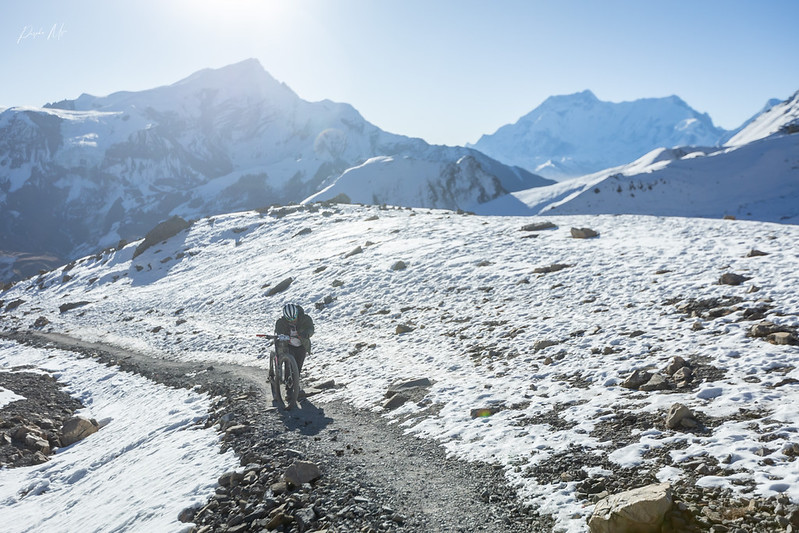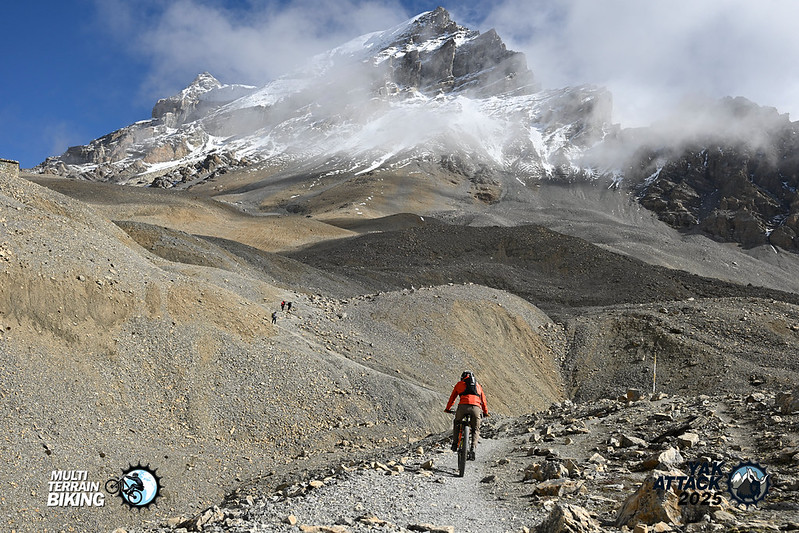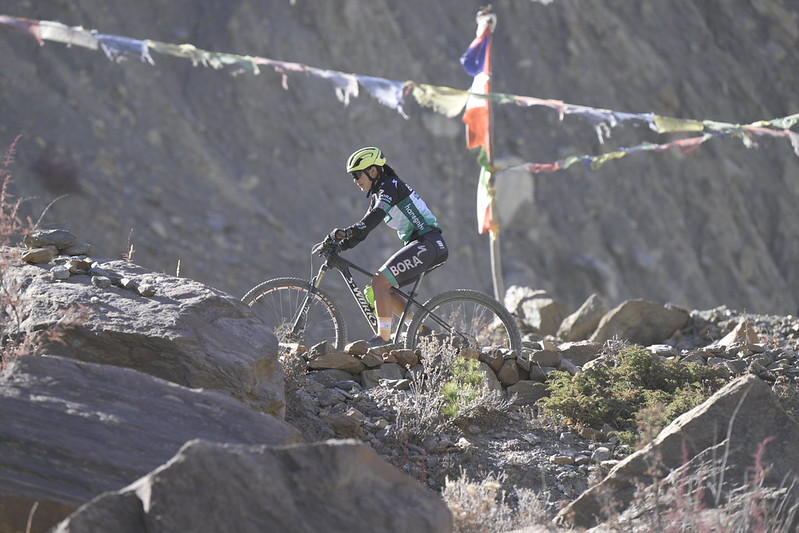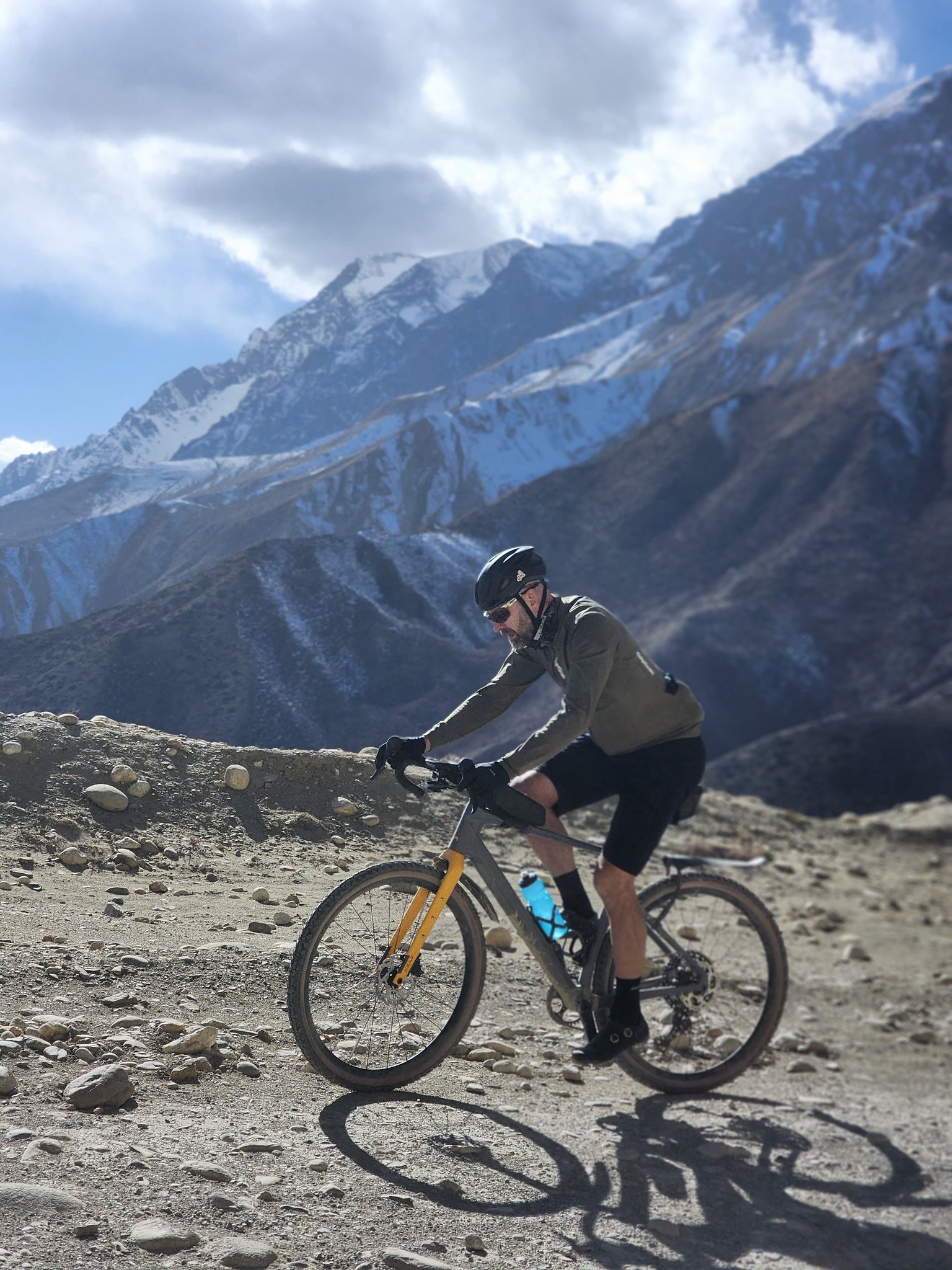

A gravel bike loaded with bags, rolling through tea country before breakfast or climbing into Nepal’s lower Himalayan valleys, can feel like the perfect touring machine. But are gravel bikes good for touring in every sense? Not automatically. They are brilliant for a particular kind of trip: mixed-surface, lightly loaded, adventurous and fast-moving. Ask them to carry a fortnight’s worth of camping equipment down heavily rutted tracks, or to cover long tarmac days with panniers, and their limitations become clearer.
For riders drawn to South Asia’s backroads, estate lanes, village trails and quiet gravel passes, the question is less about whether a gravel bike can tour and more about matching the bike to the journey. Get that match right and you gain an efficient, capable machine that opens up routes a traditional touring bike may make feel slow or cumbersome.
Are gravel bikes good for touring on mixed terrain?
Yes, especially when the route moves naturally between tarmac, gravel, hardpack dirt and broken secondary roads. That is the terrain gravel bikes were built to handle. Their dropped handlebars offer several hand positions for long days, while wider tyres bring far more comfort and control than a conventional road bike. Modern disc brakes also inspire confidence when wet roads, steep descents and a loaded bike arrive at the same moment.
This versatility matters on a properly immersive cycling holiday. In Sri Lanka, a route may leave a smooth road for a plantation track, pass through a small town, then climb a rough lane towards a hill-country viewpoint. In Nepal, surfaces can change quickly with weather, altitude and roadworks. A gravel bike lets you ride these transitions without treating every unsealed section as an obstacle.
There is another advantage: pace. Compared with a hardtail mountain bike, a gravel bike usually rolls more efficiently on the road sections that connect the best off-road riding. On a route where the day includes 60 or 80 kilometres of varied terrain rather than a full day on technical singletrack, that efficiency is valuable. You can arrive at the next lodge with energy for a proper meal, a cold drink and the landscape around you.
That said, ‘gravel’ covers a huge range. Smooth farm tracks and dry, compact dirt are one thing. Deep sand, loose rock, axle-deep mud and rocky jeep tracks are another. A gravel bike is capable, but it is not a substitute for suspension when the surface becomes consistently rough.
The touring style makes the difference
A gravel bike is at its best for credit-card touring, supported point-to-point holidays and bikepacking with a disciplined kit list. These formats reduce the need to carry a heavy rack, large panniers, a tent, cooking kit and several days of food. That allows the bike’s lively handling to remain intact.
For many international riders, this is the sweet spot. Your luggage is transferred between characterful hotels or carefully selected camps, while you keep waterproof layers, spare clothing, tools, snacks and valuables on the bike. The riding still feels self-sufficient, but the logistics are stress-free. Multi Terrain Biking’s guided journeys are designed around this principle: maximum access to extraordinary terrain without asking you to turn every climb into a loaded-haulage exercise.
A traditional touring bike still has the edge when carrying substantial weight is central to the plan. Its longer wheelbase, stable steering and rack-focused frame design tend to cope better with front and rear panniers. It may also offer more forgiving gearing for sustained climbs under a full expedition load.
The key distinction is simple. A gravel bike tours exceptionally well when you pack for riding. A classic tourer becomes the better tool when you pack to live entirely from the bike.
Tyres are your most important decision
Tyre clearance determines how much comfort and confidence a gravel bike can provide. For mostly paved touring with occasional firm gravel, 38-42mm tyres are often a fast, sensible choice. For varied roads, rough lanes and dry tracks, 45mm offers a highly capable all-round platform. If your frame accepts 50mm tyres or a 650b wheelset with high-volume rubber, the bike will feel noticeably more composed on rougher surfaces.
Do not choose tyres by width alone. Tread pattern, casing and pressure all shape the ride. A lightly treaded, supple tyre can be remarkably quick on tarmac while giving enough bite on hardpack. A more aggressive tread makes sense for wet clay, loose gravel or forest roads, but it will feel slower and noisier on long sealed stretches.
Tubeless set-ups are a strong option for touring where conditions justify them. They allow lower pressures for comfort and grip, and seal many small punctures before they interrupt the day. However, they are not maintenance-free. Carry plugs, a spare tube, tyre boots and a pump or inflation device you know how to use. In remote regions, self-reliance is part of the adventure, even when expert local support is close at hand.
Gearing for climbs, heat and luggage
A bike that feels perfectly geared on a local Sunday ride can be woefully over-geared when the temperature rises, the gradient reaches double figures and your saddle bag is full. Touring rewards low gears. There is no prize for grinding up a mountain road at 50 rpm when a lower ratio would let you spin, breathe and enjoy the view.
A 1x drivetrain is wonderfully simple and provides excellent chain retention on bumpy ground. For many riders, a wide-range cassette paired with a small enough chainring is more than adequate. A 2x system offers closer gear steps and can be preferable for tours with substantial tarmac mileage, particularly if you enjoy maintaining a steady cadence on rolling roads.
Before travelling, look at your lowest gear rather than the size of your biggest chainring. A low ratio around or below 1:1 is a sensible starting point for loaded climbing, and lower is welcome for steep, sustained routes. Fitness helps, but sensible gearing protects knees and keeps difficult days enjoyable.
Luggage: keep weight close and controlled
Gravel bikes can carry plenty, but not all bags behave equally on rough terrain. Large rear saddle packs and frame bags are popular because they keep weight centred and avoid the need for racks. A handlebar roll works well for light, bulky items such as a jacket, sleeping bag or spare layers, provided it does not interfere with cables or hand positions.
The challenge is stability. An overstuffed saddle pack can sway on steep climbs and technical descents. A tall handlebar load can make steering feel vague. Pack dense items such as tools, chargers and food low in the frame bag, and reserve the extremities of the bike for lighter kit.
If your trip demands more capacity, a rear rack can be an excellent addition, assuming the frame is rated and equipped for one. Small panniers or rack-top bags can be more practical than trying to force every item into bikepacking luggage. The fashionable option is not always the best operational option.
When a mountain bike is the smarter choice
Choose a hardtail mountain bike over a gravel bike if the route is dominated by technical descents, repeated rock gardens, deep washouts, loose climbing tracks or surfaces that would force you to slow down constantly on drop bars. Suspension reduces fatigue as much as it adds control, which matters on consecutive days in demanding terrain.
A mountain bike also makes sense for riders who value confidence over speed, or who are new to riding loaded bikes off-road. There is no loss of adventure in choosing the machine that allows you to relax and look up from the front wheel.
Conversely, if the route includes long road approaches, fast hardpack and occasional rough sections rather than sustained technical riding, the gravel bike is likely to feel more rewarding. It has the range to make a varied day flow.
Prepare the bike before departure
Touring reliability comes from details. Fit fresh brake pads before a trip with serious descending, check rotor wear and make sure your tyre choice has enough remaining life for the distance ahead. Test every bag while loaded on rough local roads, not just outside the house. A loose strap can become an irritating, wheel-threatening problem surprisingly quickly.
Contact points deserve equal attention. A supportive saddle, bar tape with enough cushioning and gloves you can wear all day matter more on a multi-day journey than a marginal weight saving. Consider clip-on aero bars only for predominantly smoother routes, where they will not compromise control or interfere with luggage.
Finally, practise fixing the things most likely to happen: a puncture, a dropped chain, a loose bolt and a broken spoke or derailleur hanger scenario. Carry the correct spares for your own bike, particularly an appropriate hanger and brake pads. Remote cycling is more enjoyable when small mechanical setbacks stay small.
The best touring bike is the one that makes you want to take the quieter road when the signpost points towards it. If your journey is built around changing surfaces, big scenery and a lighter, more adventurous way of travelling, a well-prepared gravel bike is not merely good for touring. It is an invitation to ride further beyond the obvious route.