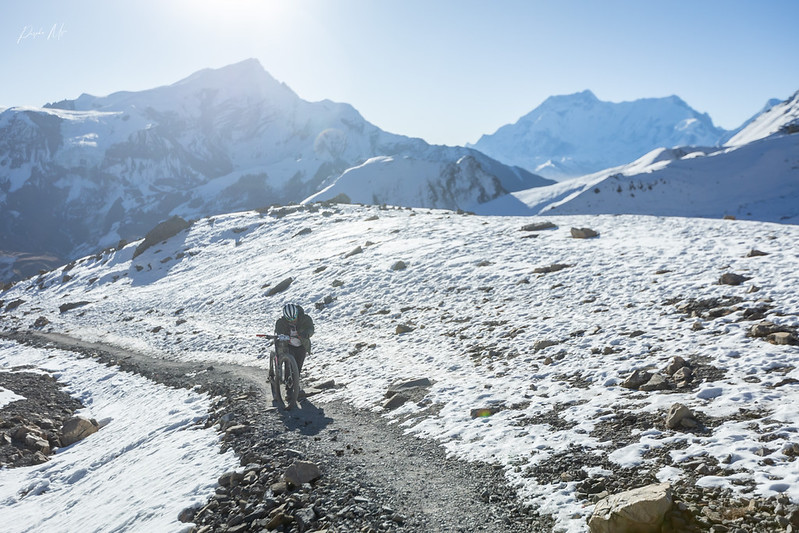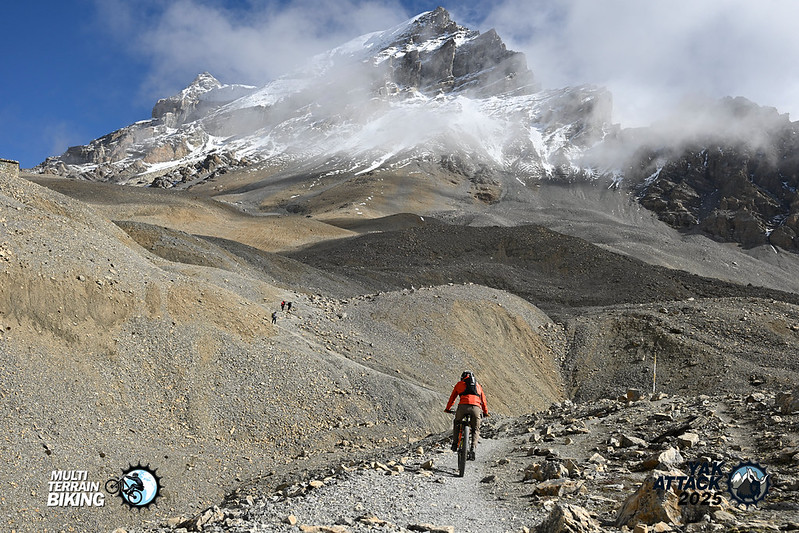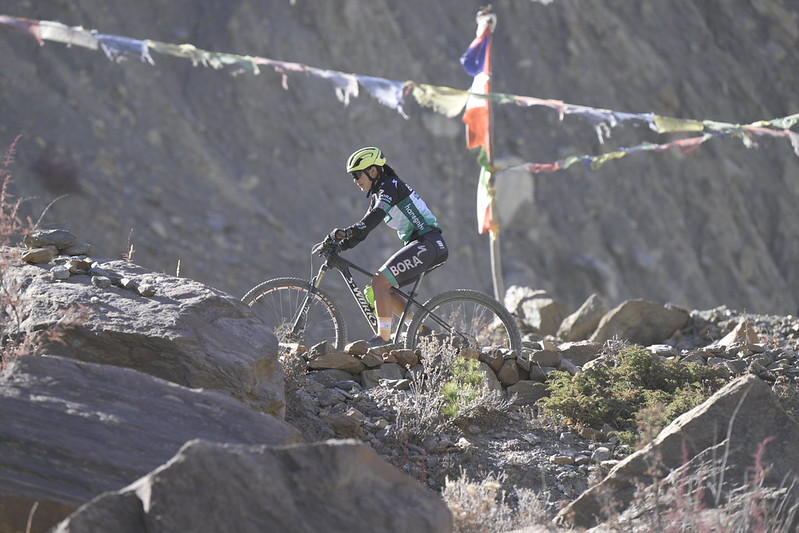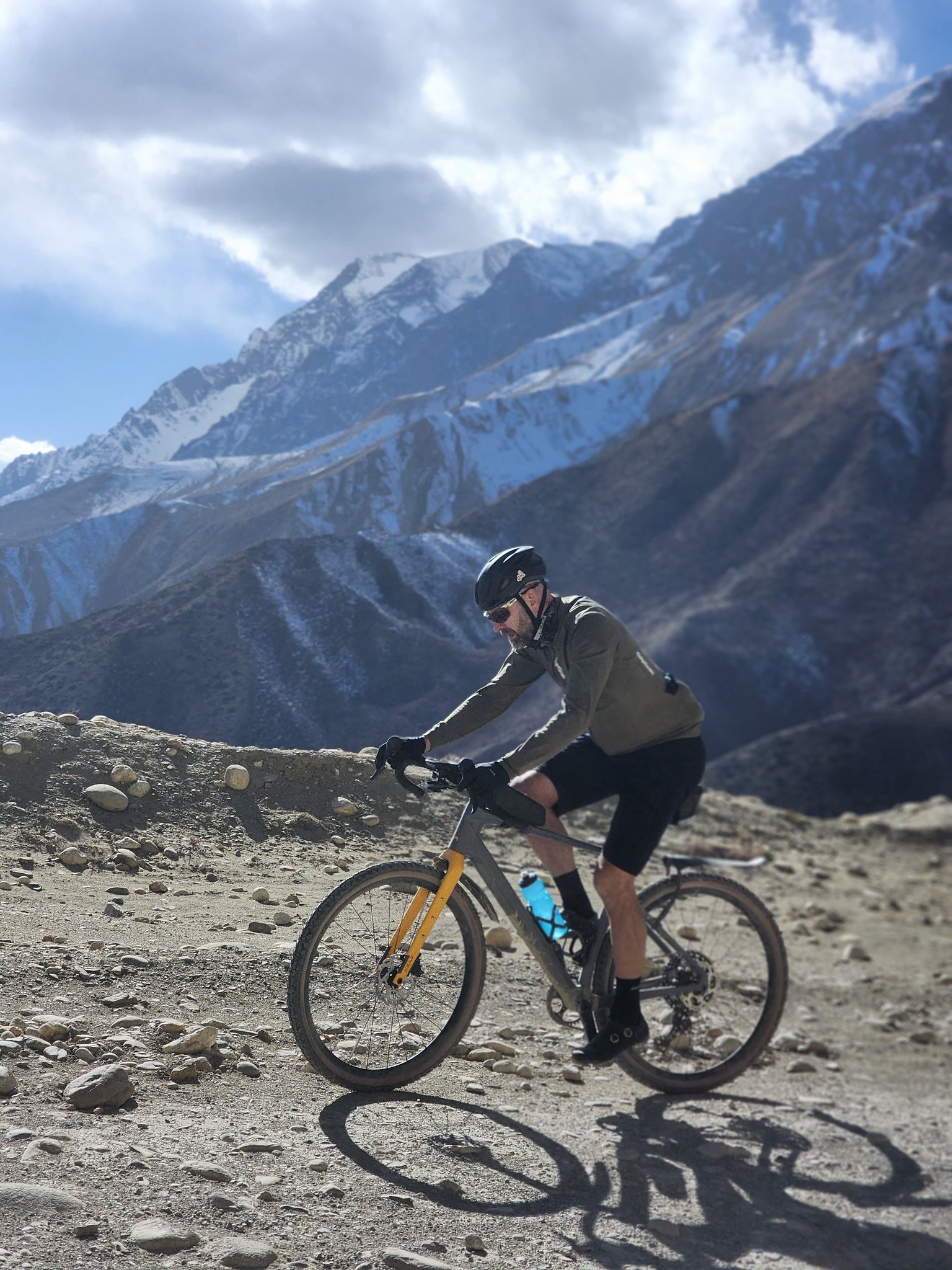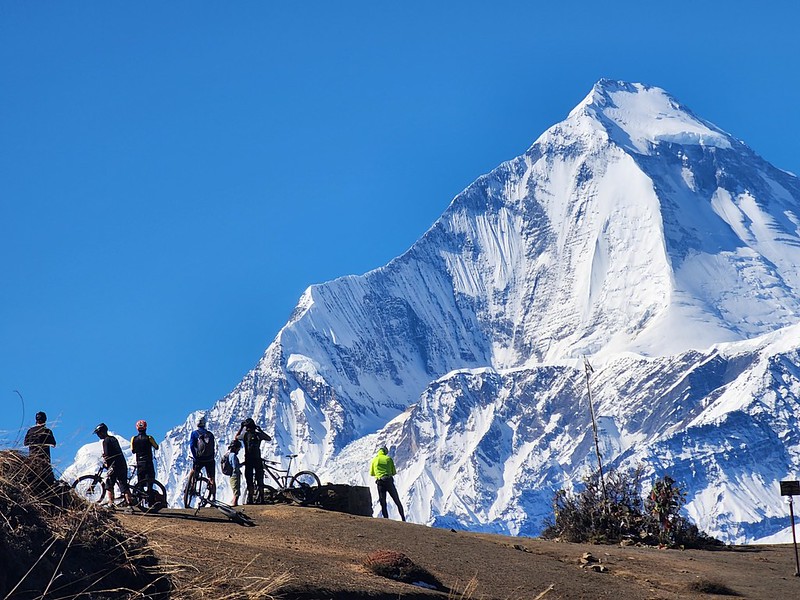

The first serious climb outside Kathmandu answers the question behind every Nepal cycling tour review. The road narrows, the valley falls away beneath terraced fields, prayer flags snap above a ridge and the Himalaya appears where the cloud permits. This is not a cycling holiday built around ticking off mileage. It is a journey for riders who want every ascent, tea stop and fast descent to feel earned.
Nepal is one of the world’s great adventure cycling destinations, but it rewards the right expectations. The riding can be rough, the altitude can be humbling and road conditions change with the seasons. In return, you gain access to a landscape and culture that makes even a tough day in the saddle feel larger than the ride itself.
Nepal Cycling Tour Review: What Makes It Different
A cycling tour in Nepal is rarely one-dimensional. Over a single week, you may roll through the busy outskirts of Kathmandu, climb quiet backroads past small farming villages, cross wide gravel tracks and descend ancient trading routes towards subtropical valleys. There are mountain-bike trails, high-altitude jeep tracks, flowing gravel roads and stretches of tarmac, often all within the same itinerary.
That variety is the headline attraction. Riders looking for a perfectly surfaced, predictable road experience may find Nepal demanding. Riders who enjoy reading the terrain, adapting their line and arriving somewhere that feels genuinely remote will find the country hard to match.
The scenery is extraordinary, but it is not a backdrop viewed from behind coach windows. You ride through it. A long climb reveals a distant snow line. A lunch stop becomes a chance to speak with a village family. A descent carries you from cool pine forest into warmer, dustier country. The changes are physical, immediate and deeply immersive.
The Riding: Challenging, Varied and Worthwhile
Most visitors underestimate the effect of Nepal’s terrain. A route that looks modest on a map can take a full day when steep gradients, loose surfaces, photo stops and altitude are factored in. Daily distances are often less important than ascent, surface and the remoteness of the route.
For experienced recreational riders, a well-designed guided holiday is entirely achievable with sensible preparation. You do not need to be an elite racer to enjoy Nepal, but you should be comfortable spending consecutive days on the bike and willing to use low gears without apology. Fitness creates more room to enjoy the view, rather than merely survive the climb.
Mountain bikers will appreciate technical descents, rocky doubletrack and natural singletrack where conditions allow. Gravel riders will be drawn to long, rough passes and vehicle tracks with immense Himalayan horizons. E-bike options can make selected routes more accessible, though battery charging and the logistics of remote overnights need careful planning. The right bike depends on the itinerary, not simply personal preference.
A hardtail or capable full-suspension mountain bike is often the most versatile choice for off-road-focused trips. For gravel-heavy journeys, generous tyre clearance and reliable gearing matter more than outright speed. Mechanical simplicity also has value: Nepal is an adventure destination, and equipment that can tolerate dust, vibration and occasional rough handling is a sensible companion.
Altitude changes the equation
Above roughly 2,500 metres, recovery becomes slower and efforts that feel routine at home can suddenly feel expensive. The best itineraries build acclimatisation into the route rather than treating it as an afterthought. Gradual gains in sleeping altitude, sensible pacing and flexible support are far more valuable than chasing a heroic first day.
This is especially relevant on high-mountain routes and endurance events such as Yak Attack, where altitude is part of the challenge rather than a detail on the itinerary. Riders should arrive fit, give themselves time to settle in Kathmandu and listen carefully to guides. Turning back, taking a vehicle transfer or choosing an easier option on a difficult day is good judgement, not failure.
Why Guided Support Matters in Nepal
Independent bikepacking in Nepal can be hugely rewarding, but it asks a lot of a visitor. Route conditions can change after monsoon rains, landslides may affect access, accommodation standards vary and navigating urban traffic around Kathmandu is a skill in itself. A guided trip removes the friction without removing the adventure.
The real value lies in local knowledge. An experienced guide knows which climb is worth the effort, when to avoid a busy road, where to find the best tea stop and how to adjust a day when weather or trail conditions demand it. A support vehicle, luggage transfers, mechanical assistance and carefully selected accommodation allow riders to focus on the reason they travelled so far: the riding.
This is where a specialist operator such as Multi Terrain Biking earns its place. Nearly two decades of destination knowledge is not just about polished logistics. It means routes are shaped around the rhythms of the country, from the practicalities of remote mountain travel to the cultural encounters that make a Nepal holiday memorable.
The Cultural Experience Is Not an Add-On
The strongest Nepal cycling tours do not rush between viewpoints. They make space for the country itself. That might mean an early morning ride past temple bells, lunch in a family-run lodge, a walk through a historic Newari town or an evening sharing dhal bhat with fellow riders after a long day.
Nepal’s hospitality is one of its quiet strengths. Accommodation can range from characterful heritage hotels in the Kathmandu Valley to simple mountain lodges where warmth and a filling meal matter more than luxury finishes. On premium itineraries, carefully chosen hotels provide real comfort at the beginning and end of a demanding route. In remote areas, expectations should be more practical, but the welcome is often the part riders remember most.
Food is generally a highlight rather than a concern. Dhal bhat, Nepal’s classic rice-and-lentil meal, is ideal cycling fuel and comes with an almost legendary reputation for refills. Menus in trekking regions can be broad, while fresh fruit, coffee and familiar recovery food may be less consistent at altitude. Bringing preferred ride nutrition is wise, particularly for riders with specific dietary requirements.
When Should You Ride in Nepal?
Spring and autumn are the prime cycling windows. From March to May, warmer temperatures, rhododendron colour and generally clear mornings make for excellent riding, although lower valleys can become hot. October through November often brings crisp air and exceptional mountain views after the monsoon, with cooler evenings at elevation.
Winter can suit riders seeking quieter routes and lower-altitude adventures, but high passes may be cold or inaccessible. The monsoon months are not automatically off limits, particularly for selected rain-shadow regions, yet mud, leeches, cloud cover and disrupted roads can alter the experience significantly. The best season depends on the route, the desired altitude and your appetite for uncertainty.
Who Will Love a Nepal Cycling Holiday?
Nepal is ideal for riders who value stories as much as statistics. If your perfect day combines a meaningful climb, dramatic terrain, local food and the satisfaction of reaching a place few cyclists ever see, it delivers in abundance. It also suits couples and groups with mixed ambitions when an itinerary includes graded riding options and dependable vehicle support.
It may be less suitable for anyone seeking guaranteed smooth surfaces, fixed daily timings or high-end luxury every night. Nepal can be beautifully organised, but it is still Nepal: power cuts, roadworks, weather and the occasional impromptu festival are part of the fabric of the journey. The best trips leave room for that reality rather than fighting it.
Preparation matters. Train for climbing and back-to-back days, practise handling your bike on loose ground and arrive with travel insurance appropriate for mountain biking and altitude. Pack layers for hot valley starts and cold mountain evenings, plus your own well-tested helmet, shoes and contact points. A little planning pays back every time the route rises above the next ridge.
Is Nepal Worth the Long-Haul Journey?
For the right rider, absolutely. Nepal offers a rare blend of athletic challenge, cultural depth and scenery on a scale that is difficult to explain until you are pedalling through it. The riding is not always tidy, easy or predictable. That is precisely why it stays with you.
Choose a route that matches your fitness, bike skills and comfort expectations, then give yourself permission to ride at the country’s pace. The finest moment may not be the highest pass or fastest descent. It may be the quiet stretch of trail after the clouds lift, when the mountains finally show themselves and you realise there is nowhere else you would rather be.