
The first surprise on a guided bike trip Himalayas is how quickly the scale resets your expectations. A climb that looks manageable on the map can unfold for hours. A ridgeline descent can run from pine forest into dusty village tracks and on towards a subtropical river valley. This is not riding built around a single iconic pass or one dramatic photo stop. It is a full-spectrum mountain experience, where terrain, altitude, weather and culture all shape the day.
For many riders, that is exactly the appeal. The Himalayas offer the sort of cycling holiday that feels earned. Big elevation, constantly changing surfaces, remote settlements, ancient trade routes and genuinely memorable hospitality all come together here. Done well, a guided trip turns that complexity into something exhilarating rather than stressful.
Why a guided bike trip in the Himalayas works so well
The Himalayas are not difficult because the riding is always technical. They are difficult because the variables stack up. Altitude affects pacing and recovery. Road conditions can change with the season. Transfer times can be longer than expected. Food stops, water planning and mechanical support matter more when the next town is still a long way off.
That is where a guided format has real value. A strong local team does more than point out the route. They manage the moving parts so you can focus on riding. The best operators build each day around realistic timings, proper acclimatisation and terrain knowledge that only comes from long experience on the ground.
This matters just as much for strong riders as it does for those coming for the scenery and the cultural immersion. Fitness helps, of course, but no amount of fitness replaces local judgement when weather moves in over a high pass or a rough section rides slower than expected.
What the riding is really like on a guided bike trip Himalayas
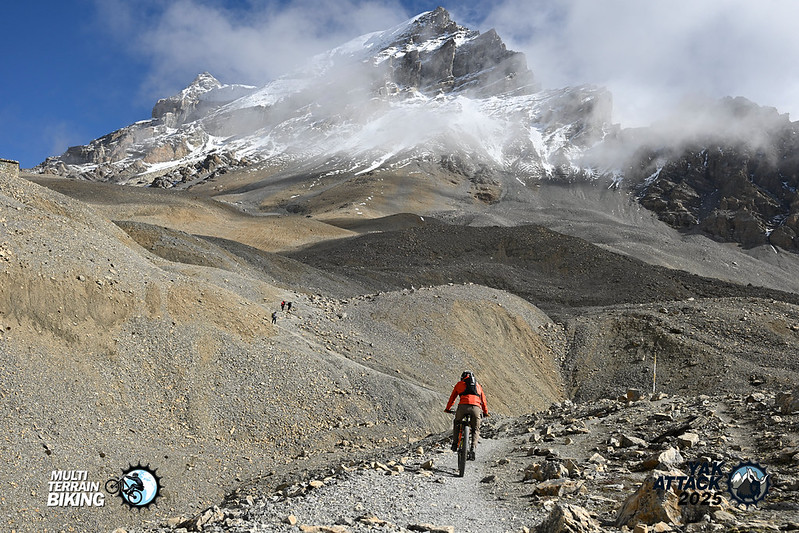
There is no single Himalayan riding style. In Nepal alone, one itinerary may centre on flowing mid-hill gravel roads and long mountain views, while another may push deep into high-altitude terrain with rough jeep track, hike-a-bike sections and thinner air. The phrase guided bike trip Himalayas can describe a premium gravel holiday, a challenging mountain bike expedition or a point-to-point journey linking remote valleys.
That range is part of the attraction, but it also means choosing the right trip matters.
Terrain and surfaces
Expect variety rather than consistency. Tarmac may begin the day, but broken road, hardpack dirt, washboard, rockier jeep track and occasional singletrack can all feature before lunch. In drier months the surfaces are usually faster and more predictable. After rain, the same route can feel entirely different.
For gravel riders, the sweet spot is often lower and mid-altitude routes where the roads are rough enough to feel adventurous but smooth enough to maintain rhythm. Mountain bikers looking for more technical challenge tend to favour trips with steeper off-road descents and looser surfaces. Neither is inherently better. It depends whether you want flow, altitude, technicality or a blend of all three.
Climbing and altitude
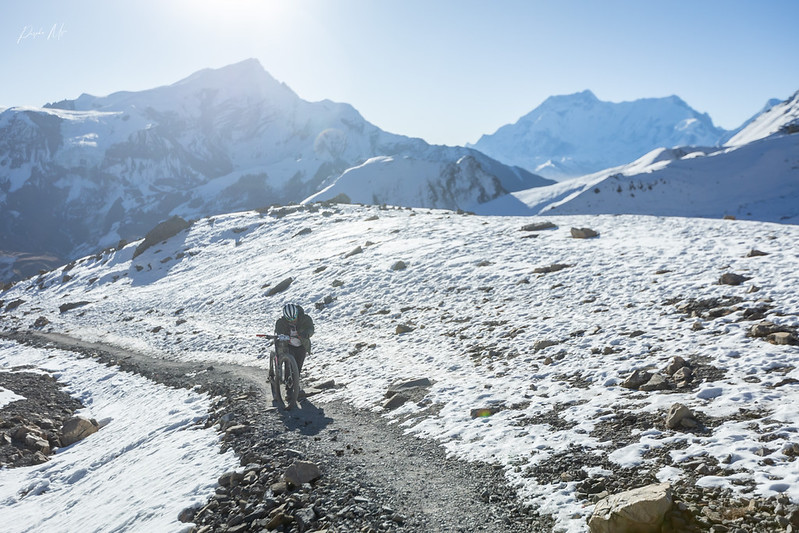
This is mountain riding in the literal sense. Even on well-designed itineraries, days of 1,000 to 2,000 metres of ascent are common. At altitude, those numbers feel bigger. A rider who is comfortable on long Alpine days may still notice that effort comes differently above 3,000 metres.
Good guiding makes a substantial difference here. Pacing, fuelling and acclimatisation are not glamorous subjects, but they are often what decide whether a trip feels strong and enjoyable or becomes a slog. The better Himalayan itineraries build in progression instead of throwing riders straight into the deep end.
Descents worth travelling for
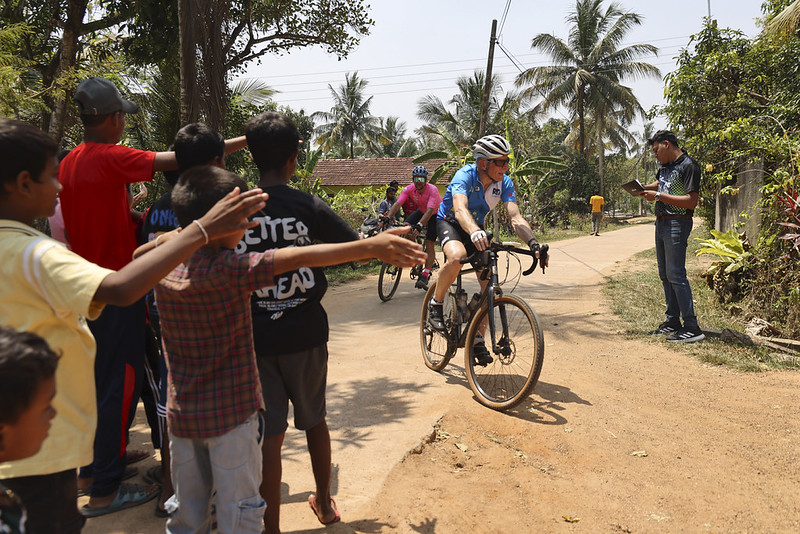
The climbing gets the headlines, but the descents are what stay with many riders. High mountain roads dropping through terraces, monasteries, suspension bridges and villages have a scale that is difficult to match elsewhere. Some are fast and smooth enough to let the bike run. Others demand full attention and reward good handling. Either way, they feel consequential.
Who a Himalayan guided trip suits best
A Himalayan cycling holiday does not require professional-level fitness, but it does reward preparation and a realistic view of your riding. The strongest candidates are riders who already enjoy back-to-back days in the saddle and are comfortable adapting to changing conditions.
If your idea of a perfect trip is a controlled pace, excellent support, well-chosen accommodation and the chance to ride extraordinary terrain without wrestling with daily logistics, a guided format fits beautifully. If you want total spontaneity and are happy solving route, transport and mechanical issues as they arise, self-guided travel may appeal more. Even then, the Himalayas are one of the places where many experienced cyclists still prefer support.
There is also a wide gap between a luxury adventure and an expedition-style trip. Some riders want boutique lodges, quality meals and a support vehicle never far away. Others are drawn to remote camps, rougher roads and a more stripped-back mountain experience. Both can be superb, but they are different products and should be sold honestly.
The logistics that make or break the experience
The best Himalayan cycling holidays feel smooth because a great deal has been handled behind the scenes. Airport arrivals, domestic transfers, bike assembly, permit requirements, daily briefings, nutrition, spare parts, emergency protocols and accommodation standards all matter more here than they do on a simple European road tour.
A well-run operator also understands that support should be visible when needed and invisible when not. Riders want confidence without fuss. They want to know there is a plan if weather disrupts a route, if someone struggles with altitude, or if a mechanical issue appears 40 kilometres from the overnight stop.
This is one of the reasons specialist operators stand apart. Deep destination knowledge is not a marketing line in the Himalayas. It affects route choice, seasonal timing, hotel standards, staffing and safety decisions every day.
What to look for when choosing a guided bike trip Himalayas
Start with the route rather than the headline. Two trips can both be described as Himalayan, yet one may be ideal for adventurous gravel riders and the other better suited to experienced mountain bikers looking for high-altitude challenge. Check the daily elevation, the highest sleeping altitude, the road surfaces and the level of vehicle support.
Then look at how the trip is paced. Are there proper acclimatisation days or at least a thoughtful progression in altitude? Are the transfers realistic? Does the operator explain the riding honestly, including where the route may be rough, slow or physically demanding?
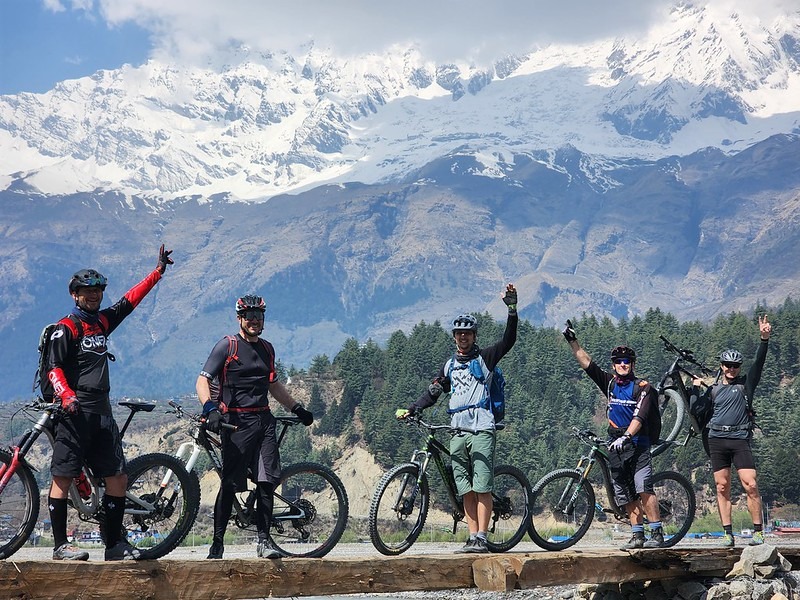
Group dynamics matter too. A small, well-matched group generally creates a stronger experience than a broad mix of abilities stretched across a huge mountain route. Premium support is not just about nicer hotels. It is also about having enough staff, enough route knowledge and enough flexibility to look after different riders properly.
Companies with genuine depth in Nepal, such as Multi Terrain Biking, tend to stand out for this reason. Long experience in-country usually shows up in the details: smarter route design, stronger local crews and a clearer understanding of how to blend challenge with comfort.
When to go and how to prepare
Season matters in the Himalayas. Autumn usually brings stable weather, clear mountain views and excellent riding conditions. Spring can be equally rewarding, often with warmer temperatures at lower elevations and flowering hillsides, though visibility can vary more. Monsoon periods and winter high-altitude trips require a more specific approach.
Preparation should be practical rather than theatrical. Build comfort on consecutive riding days. Include sustained climbing if you can. Make sure your contact points, layering system and nutrition plan are sorted before departure. If the trip involves altitude, arrive with patience. The riders who thrive are often not the ones trying to prove something on day one.
Bike choice depends on the route. Gravel bikes are brilliant on the right itinerary, but tyre clearance and gearing matter. For rougher, higher or more technical routes, a mountain bike is the smarter tool. The key is to match the machine to the terrain, not to bring the bike you most want to justify.
More than a ride
What elevates a Himalayan trip above a hard week on the bike is everything happening around the riding. Tea stops in villages. Prayer flags over a pass. The shift in architecture, language and food as valleys change. The rhythm of a support crew that knows exactly when to step in and when to let the landscape do the work.
That is why so many riders come back talking about the whole journey rather than a single climb. The Himalayas deliver challenge, certainly, but the deeper draw is the sense of travelling through a living mountain world under your own power.
Choose the trip that matches your riding, trust the people who know the terrain, and give the mountains enough respect to surprise you in the best possible way.