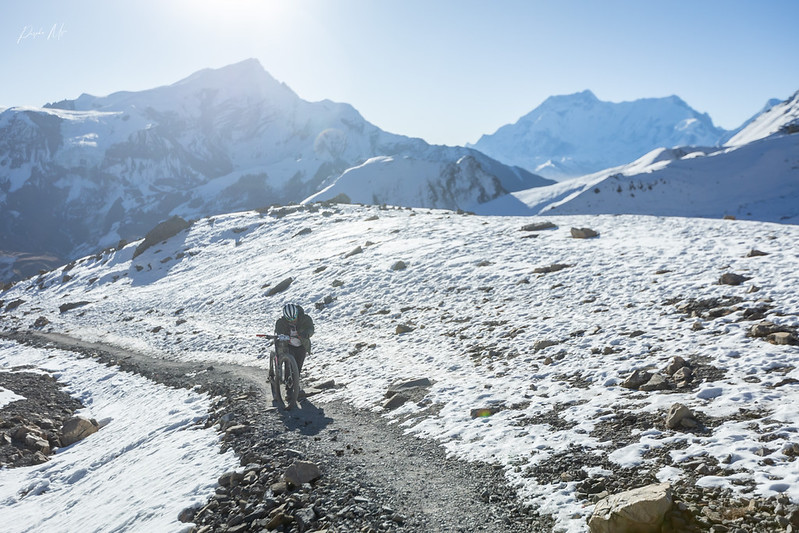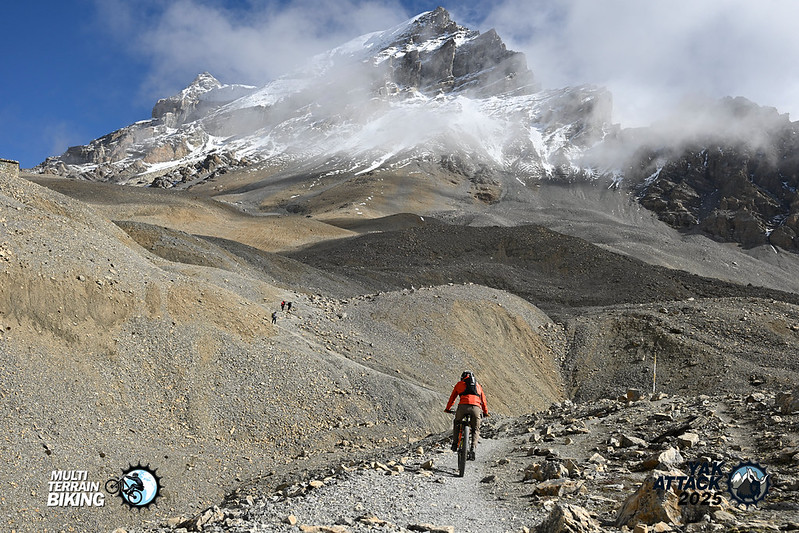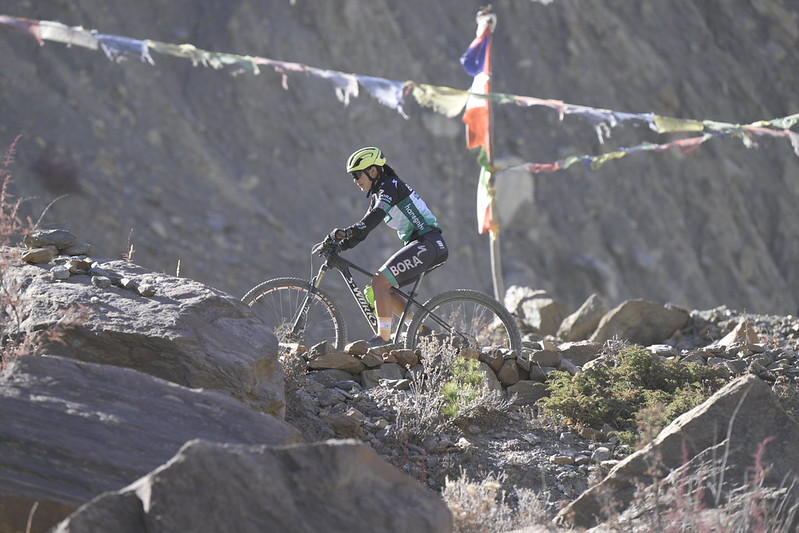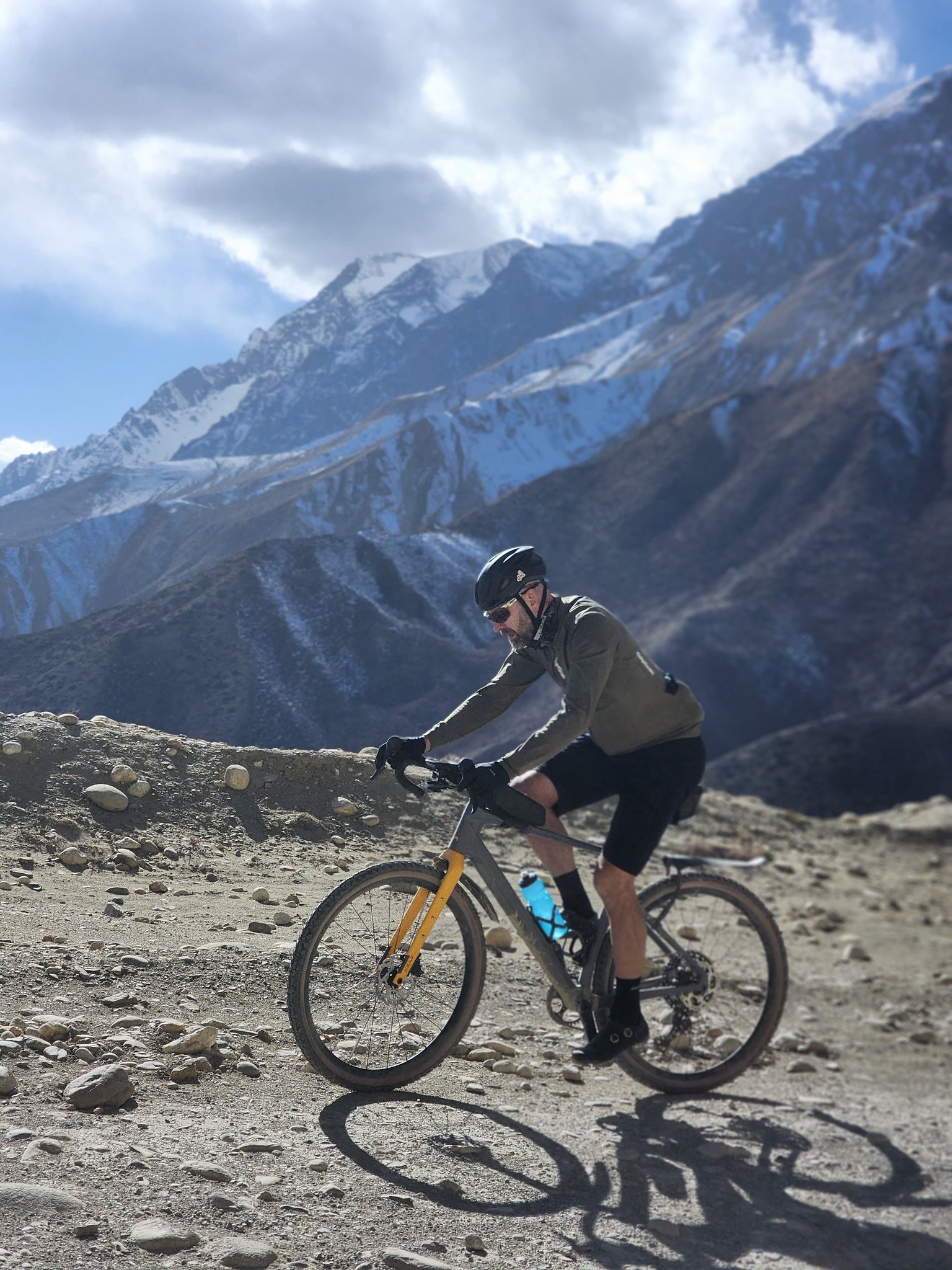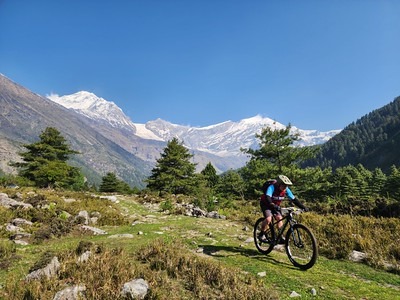

Nepal can give you a perfect bluebird climb above terraced hillsides in the morning, then a dust storm on a jeep track by late afternoon. That is exactly why the best time to cycle Nepal is not one simple answer. It depends on where you want to ride, how high you plan to go, and whether you are chasing smooth gravel, big mountain singletrack, long road climbs or an iconic event start line.
For most riders, the sweet spots are spring and autumn. Those are the headline seasons for good reason – stable weather, clearer mountain views, dry trails and comfortable riding temperatures across much of the country. But Nepal is a country of extremes. The right month for Kathmandu Valley gravel is not always the right month for Upper Mustang, and the right season for a luxurious lodge-to-lodge ride is not always the same as the ideal window for an altitude race.
When is the best time to cycle Nepal?
If you want the short answer, the best time to cycle Nepal is from late February to May and from late September to early December. Those two windows deliver the most consistent riding conditions for the broadest range of trips.
Spring brings warming temperatures, flowering rhododendron forests and excellent access to mid-hill and high-country routes before the summer monsoon arrives. Autumn follows the rains with fresh landscapes, generally clearer skies and some of the best big-mountain visibility of the year. For many riders travelling from the UK or Europe, autumn feels especially rewarding because the post-monsoon air can be crisp, dry and spectacularly clear.
That said, neither season is universally perfect. Spring can become hazy and warmer at lower elevations, especially by late April and May. Autumn can be busier on classic trekking corridors and popular travel dates. If your route crosses high passes or remote tracks, small shifts in timing matter.
Best time to cycle Nepal by season
Spring – late February to May
Spring is one of Nepal’s great riding seasons. Trails and gravel roads are usually dry, days are getting longer, and temperatures are generally friendly from the mid-hills up into higher terrain. It is a strong choice for mixed-terrain journeys, classic mountain biking and early-season endurance adventures.
March and April are particularly good for riders who want variety. Around Kathmandu, Pokhara and the hill districts, conditions are often excellent for backroad riding, jeep-track exploration and well-supported point-to-point trips. At altitude, mornings can still be cold, but the riding window broadens as the season progresses.
The trade-off is visibility. Early spring often offers better mountain clarity, while later spring can turn hazier in lower valleys. By May, heat builds quickly below about 1,500 metres, and pre-monsoon weather can bring afternoon cloud, wind or isolated storms. If you enjoy warm-weather riding and want high-country access before the rains, May can still work very well. If you want postcard-sharp Himalayan views every day, March and early April are usually safer bets.
Monsoon – June to early September
For most international cycling holidays, this is not the best time to cycle Nepal. Heavy rain affects much of the country, especially the mid-hills, lower valleys and southern regions. Trails become slick, landslips can disrupt transfers, river crossings become less predictable and humidity rises sharply.
That does not mean Nepal shuts down for cyclists. Certain rain-shadow regions, especially Upper Mustang, can still be exceptional during the monsoon months. Because the Himalaya block much of the rainfall there, summer becomes a surprisingly viable season for remote desert-like riding, dramatic canyon landscapes and high-altitude expedition routes.
This is where local planning becomes critical. A monsoon ride in the wrong area can feel like a survival exercise. A monsoon ride in the right area can be one of the most distinctive cycling experiences in Asia.
Autumn – late September to early December
Autumn is the other premier season and, for many riders, the finest overall answer to the question of the best time to cycle Nepal. The monsoon washes the dust from the landscape, the countryside turns vivid green, and the mountains often emerge with remarkable clarity.
October and November are the standout months. Trails dry out, temperatures are pleasant across a wide spread of elevations, and long-distance journeys become more reliable from a logistics point of view. This is prime time for gravel itineraries, mountain biking holidays, bespoke lodge-based adventures and major endurance events.
The main compromise is popularity. These are peak travel months in Nepal, so some regions feel busier and the best accommodation can book early. For well-crafted cycling holidays, that is manageable with proper planning, but it is worth knowing if you prefer quieter routes and shoulder-season atmosphere.
Winter – mid-December to February
Winter is more nuanced than many riders expect. In lower-elevation areas, including parts of the Kathmandu Valley and around Pokhara, winter riding can be excellent. Skies are often clear, daytime temperatures can be very comfortable in the sun, and dust levels are lower than in late spring.
The challenge is altitude. Once your route climbs high, winter cold becomes a serious factor, and snow can close passes or make exposed tracks unsafe. Early starts are chilly, shaded descents can be bitter, and remote logistics become less forgiving.
For riders who want lower-altitude gravel, cultural touring by bike, or punchy day rides with crisp mountain views, winter can be a very smart choice. For riders chasing Nepal’s highest and wildest routes, it is usually too restrictive.
Best time to cycle Nepal by riding style
For mountain biking and singletrack
Spring and autumn are both strong, with autumn usually edging ahead for grip, clarity and consistency. If your priority is classic Himalayan mountain biking with long descents, technical jeep tracks and support-heavy logistics into remote terrain, October and November are hard to beat.
For gravel and backroad adventures
Late autumn, winter and spring all work well, depending on elevation. Nepal’s gravel riding often shines in the cooler months when long mixed-surface days are more comfortable. Routes linking villages, ridgelines and lesser-known roads can be superb from October through March.
For high-altitude expeditions and remote crossings
Timing narrows. Late spring and autumn are usually safest, but exact route design matters. Upper Mustang is the obvious exception, often at its best during the summer monsoon window when other parts of Nepal are waterlogged.
For road cycling and climbing-focused tours
October to December and February to April generally offer the best combination of dry roads, good visibility and manageable temperatures. Lower roads can become hot later in spring, while monsoon conditions are less predictable and often less enjoyable.
A month-by-month view of the best time to cycle Nepal
February marks the start of the riding year for many travellers. Lower and mid-elevation routes come into shape, mornings are cool, and visibility can be excellent.
March is one of the most dependable months for broad itineraries. Temperatures are rising but still comfortable, and many regions are in superb condition.
April is a prime adventure month, especially if you want ambitious riding without monsoon risk. It can be warmer and slightly hazier, but route choice remains wide open.
May is best for riders comfortable with heat and occasional unsettled weather, or for those targeting specific higher routes before the rains.
June, July and August are generally monsoon months, best reserved for rain-shadow destinations such as Upper Mustang or for travellers who understand the compromises.
Late September sees the transition back into the main season. Conditions improve quickly, though some routes may still be drying out.
October is arguably the top all-round month. Landscapes are lush, trails are improving daily and mountain views are often exceptional.
November is just as strong, with slightly cooler temperatures and very reliable riding across many of Nepal’s headline regions.
December remains excellent at lower elevations and for comfort-focused cycling holidays, though higher routes become more weather-sensitive.
January suits riders happy to stay lower, pack properly for cold mornings and favour dry, clear conditions over extreme altitude.
What matters beyond the weather
The best time to cycle Nepal is not only about rainfall and temperature. It is also about what kind of trip you want to have.
Altitude changes everything. A ride that feels warm and mellow at 1,200 metres can feel harsh and exposed above 3,500. Route support matters too. In Nepal, the difference between a good ride and a brilliant one often comes down to smart pacing, vehicle backup, local knowledge and choosing the right overnight stops.
Cultural timing also plays a part. Major festivals can make a trip even more memorable, with village squares alive with colour and energy. They can also affect transport, accommodation availability and local services. For some riders that is part of the appeal. For others, a quieter date is preferable.
Then there is your own riding preference. Some cyclists want crisp air, big views and long, all-day efforts. Others want warmer mornings, gentler climbing schedules and a more relaxed holiday rhythm. Nepal can do both, but not always in the same month.
For riders looking for the broadest choice, spring and autumn remain the benchmark. They offer Nepal at its most rideable, most visually dramatic and most reliably rewarding. If you are planning a one-off Himalayan cycling journey, those are the seasons to target first. And if you want to get more specific than that, the smartest next step is matching the month to the route rather than chasing a single answer for the whole country.
Get that right, and Nepal stops being just a destination on your list. It becomes the ride people ask you about for years.