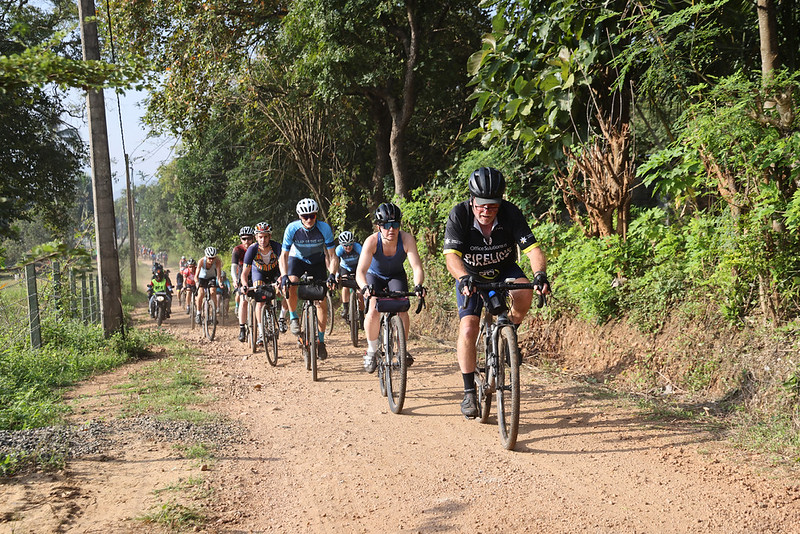

You can ride in Sri Lanka almost all year, but the best time to cycle Sri Lanka depends entirely on where you want to point your front wheel. A beachside spin through the south-west, a tea-country climbing tour in the central highlands, and a dry-zone gravel journey in the east all play by different seasonal rules. Get the timing right and Sri Lanka delivers warm roads, big scenery and wonderfully varied riding. Get it wrong and you may still have a great trip, but you will work harder for it in heat, humidity or rain.
That regional variation is what makes Sri Lanka such a compelling cycling destination. It is compact enough to cover a lot of ground in one trip, yet the riding changes fast – palm-lined coastal roads, rolling paddy country, jungle-fringed backroads, and long, steady mountain ascents into cooler air. For riders planning a cycling holiday rather than simply hoping for good weather, timing matters.
Best time to cycle Sri Lanka by region
Sri Lanka has two monsoon systems, and that is the key to the whole puzzle. The south-west monsoon typically affects the south-west coast and hill country from around May to September. The north-east monsoon tends to impact the north and east from roughly October to January. Because of that split, there is usually good riding somewhere on the island.
For most international riders, December to April is the strongest all-round window, especially for classic cycling journeys that include the south-west, the Cultural Triangle and the hill country. During these months, the south and west are generally drier, roads are more inviting, and the mountain sections are often at their most enjoyable.
If your focus is the east coast, the north, or drier inland routes, May to September can be excellent. This surprises many first-time visitors who assume Sri Lanka has one simple wet and dry season. It does not. It rewards riders who match the route to the season.
December to April – the classic riding season
If you are asking for the single safest answer to the best time to cycle Sri Lanka, this is it. From December through April, much of the island’s most sought-after touring terrain is riding well. The south-west coast is typically sunnier, the roads through Galle and beyond feel bright and tropical rather than stormy, and the climbs into the tea country are more appealing when cloud and rain are less persistent.
This period also suits mixed itineraries. You can combine coastal riding, inland cultural highlights and hill country climbing without constantly trying to dodge the weather. For riders travelling long-haul and wanting one polished, expertly crafted trip, this is usually the window that gives the widest route choice and the fewest compromises.
The trade-off is popularity. These are peak travel months for Sri Lanka more broadly, especially around Christmas, New Year and February half-term periods. Hotels in premium locations can book early, and the best-supported cycling departures tend to fill first. Temperatures at lower elevations are also still warm, so while the weather is favourable, you should not expect cool European riding conditions by the coast.
May to September – better than many riders expect
This is where local knowledge matters. While the south-west can be wetter during these months, the north and east often come into their own. If your ideal ride leans towards quieter roads, drier plains, ancient sites and less mainstream touring corridors, this can be a superb time to visit.
It is also a strong period for riders who do not need the postcard-perfect beach finish every afternoon. The dry-zone landscapes have a different appeal – big skies, wildlife-rich fringes, reservoirs, and long kilometres that feel spacious rather than crowded. Conditions can be hot, so pacing, hydration and sensible stage design become more important, but the riding can be excellent.
For gravel riders and adventurous tourers, this season can open up some brilliant possibilities. You simply need to accept that Sri Lanka is not a destination where one weather forecast covers the whole island.
October and November – possible, but more variable
October and November are the least predictable months for a broad cycling trip. Inter-monsoon weather can bring short, intense downpours, humidity can be high, and local conditions shift quickly. That does not mean you cannot ride – you absolutely can – but route planning has to be sharper and expectations more flexible.
For confident travellers who value quieter roads and do not mind adapting day by day, this shoulder period can still work. For riders investing in a premium holiday with a lot of logistics, these months usually make more sense with expert support and a route built around the best local conditions at the time.
The best time to cycle Sri Lanka for the hill country
For many riders, the central highlands are the heart of the trip. This is where Sri Lanka stops being merely scenic and starts feeling properly dramatic from the saddle. Long climbs wind through tea estates, the air cools as you gain elevation, and the roads around Hatton, Nuwara Eliya and Ella create the kind of riding day that stays with you long after the flight home.
The best time to cycle Sri Lanka in the hill country is usually from January to April. These months often offer the cleanest conditions for climbing, descending and enjoying the views. You still need to be ready for mist, cooler mornings and occasional rain at altitude, but the riding is generally far more settled than during the south-west monsoon.
If hill-country riding is the main event, rather than just one section of a broader tour, it is worth prioritising this window. Wet roads and low cloud can change the feel of a mountain stage completely. The climbs remain rewarding, but the descents become slower, the views disappear, and that sense of rhythm you want in the highlands can be harder to find.
Coastal riding and heat – what catches riders out
Sri Lanka’s coastal roads look gentle on paper. Elevation is often modest, gradients are tame, and daily distances can appear very manageable. What catches riders out is the heat and humidity, especially on exposed stretches where the sun is relentless and the air feels heavy even early in the day.
That is why the best time to cycle Sri Lanka is not only about rainfall. It is also about riding comfort. A route that is technically possible in August may be far more enjoyable in February. Likewise, a 90-kilometre day beside the sea can feel harder than a climbing day in the highlands if the humidity is up and the breeze drops.
This does not make coastal riding any less worthwhile. Quite the opposite. The south and south-west coast can be a brilliant way to start or finish a trip, especially in the drier months, with a rhythm that balances smooth mileage, ocean views and excellent places to stay. It simply rewards early starts, smart fuelling and realistic expectations.
If you are riding for scenery, culture or performance
Your ideal month depends partly on what kind of rider you are.
If scenery is the priority, January to March is hard to beat for a classic multi-region trip. You are more likely to get clear hill-country views, attractive road conditions and that satisfying contrast between coast, jungle edge and mountains.
If culture is central to the experience, including the Cultural Triangle and quieter inland roads, December to March works very well, though parts of the dry zone can also be excellent outside that period. The archaeological sites, village roads and reservoir landscapes make for richly immersive riding when timed properly.
If you are performance-focused, the answer is more nuanced. Strong riders often prefer the cooler mountain stages and can tolerate the tropical heat at lower elevations, but sustained efforts in Sri Lanka are shaped by climate as much as terrain. For harder, more ambitious itineraries, cleaner weather in the highlands usually matters more than chasing the absolute driest coastal week.
So when should you go?
For a first cycling trip to Sri Lanka, January to March is usually the sweet spot. It gives you the strongest chance of excellent all-round riding, especially if your route includes the south-west and the hill country. April can still be very good, though warmer. December is also a strong option, particularly for festive or winter-escape travel.
If you already know you want the east or north, look closely at May to September. It can be a smart, rewarding choice, particularly for riders who want something a little less obvious and are happy to build the route around regional conditions rather than a standard island loop.
That is the real answer to the best time to cycle Sri Lanka. There is no single perfect month for every route. There is, however, a perfect season for the ride you actually want to do. Match the route to the weather, and Sri Lanka becomes one of the most complete cycling destinations in Asia – warm, varied, deeply immersive and surprisingly sophisticated once the logistics are handled well. Companies such as Multi Terrain Biking build trips around exactly that principle.
The smartest way to plan is to start with the riding experience you want most, then let the calendar follow.