
A tropical stage ride can sound soft until you are grinding uphill in thick morning heat, dropping through tea country switchbacks, then rolling into the coast with legs full and eyes wide. That is the appeal of the Ride SriLankan cycling event – a serious riding experience wrapped inside one of the most varied and rewarding road cycling destinations in Asia.
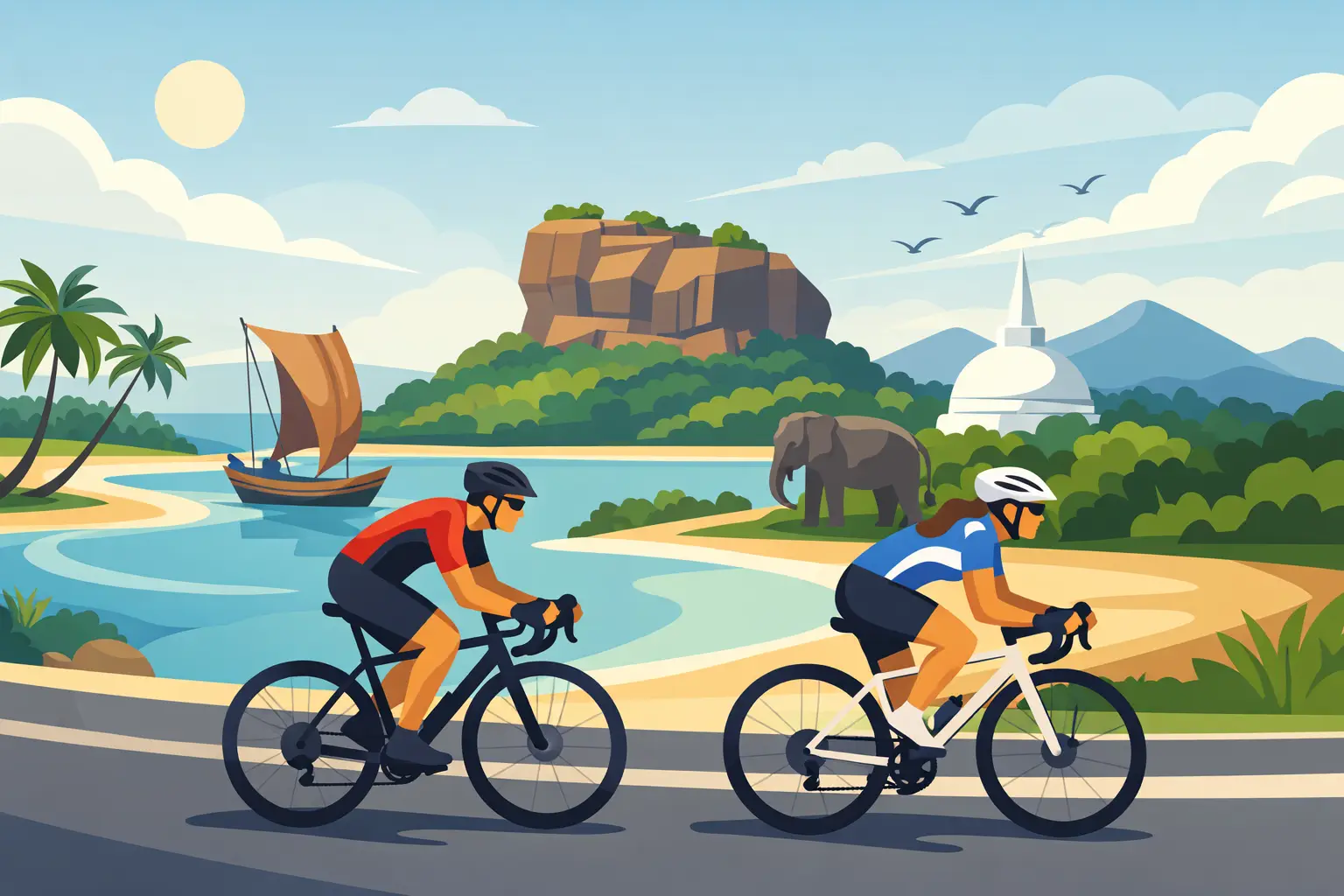
For riders who want more than another sportive at home, this event offers something rarer. It is part endurance challenge, part expertly crafted island journey, and part immersion in a country where the landscape changes quickly and dramatically. One day you are threading through the central highlands. The next, you are riding past jungle edges, reservoirs, temple towns and long coastal stretches with the Indian Ocean not far off your shoulder.
What makes the Ride SriLankan cycling event different
The strongest events do not rely on a finish arch and a results sheet alone. They create a route story, a sense of progression, and the feeling that every stage reveals another side of a destination. The Ride SriLankan cycling event works because Sri Lanka is unusually well suited to that style of riding.
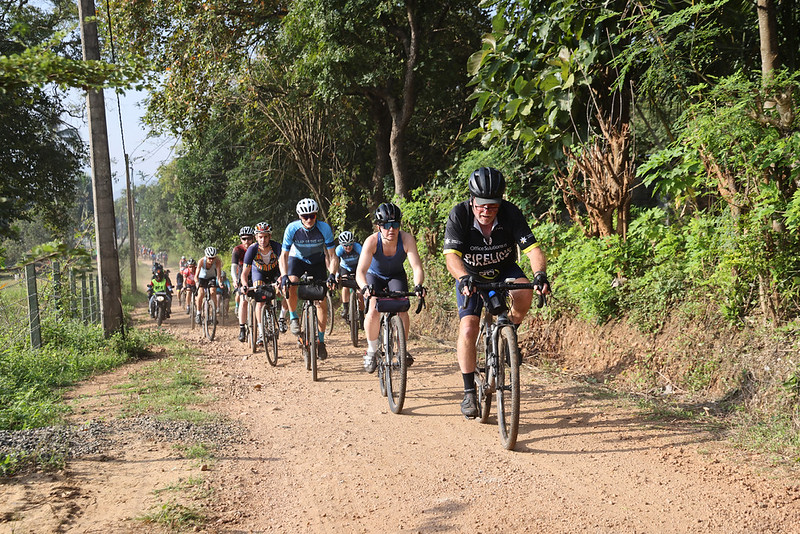
Distances can be substantial without feeling repetitive. Climbs are meaningful, but the island gives you variety rather than endless monotony. Road surfaces can range from smooth, fast tarmac to sections that demand a little patience and good bike handling. That balance matters. It keeps the event engaging for experienced riders without turning every day into a survival exercise.
There is also a practical point that seasoned cyclists appreciate. Sri Lanka allows you to cover a lot of visual and cultural ground in a relatively compact geography. You are not spending days trapped in transfers just to reach the next worthwhile road. The riding itself is the journey.
The route experience across Sri Lanka
A well-designed Sri Lankan cycling event should never feel one-dimensional. The island’s appeal lies in contrast. The central highlands bring cooler air, long drags, tea plantations and roads that twist with intent. The lower sections feel more humid and immediate, often framed by paddy fields, village life and a greener, denser backdrop.
That changing terrain shapes the rhythm of the event. Riders may face sustained climbing on one stage, then a faster day where groups can settle into a strong tempo. Some stages reward diesel engines. Others favour riders who can recover quickly and stay sharp in rolling terrain. For many entrants, that is part of the fun. It is not simply about who can push the highest wattage for one effort. It is about managing the whole island.
Sri Lanka’s roads also give the event its character. This is not sterile riding. You are moving through lived-in landscapes with real texture – roadside fruit stalls, schoolchildren waving, roadside shrines, forested sections alive with sound, and moments where the road suddenly opens to a big view. For riders used to more closed-off race environments, that makes the experience feel far more memorable.
Who the event suits best
The Ride SriLankan cycling event is best suited to riders who enjoy challenge but do not need the format to be brutally extreme for the sake of it. If you like destination rides, proper stage structure, quality support and roads that keep changing under you, it fits well.
That includes strong recreational road cyclists, gravel riders crossing over to tarmac events, experienced sportive riders looking for a more adventurous calendar highlight, and travellers who want their cycling holiday to carry some edge. You do not need to be an elite racer, but you do need to arrive prepared to ride consistently over multiple days.
The event can also appeal to couples or mixed-ability groups, depending on the exact format in a given year. Some riders come for performance and placings. Others come for the route, the atmosphere and the chance to ride point-to-point through a remarkable country without having to handle the logistics themselves. Both approaches can sit comfortably together when an event is organised properly.
What the riding demands
Sri Lanka is not defined by altitude in the same way Nepal is, but that does not make it easy. Heat, humidity, repeated climbing and the cumulative effect of multi-day riding can wear riders down faster than expected. It is one of those destinations where sensible pacing beats bravado surprisingly often.
The strongest preparation is not just about peak fitness. It is about resilience. Back-to-back riding days matter. So does being comfortable fuelling in warm conditions and knowing how your body responds when the temperature rises. A rider who is perfectly capable of a hard one-day event in Britain may still find the third or fourth stage here asks different questions.
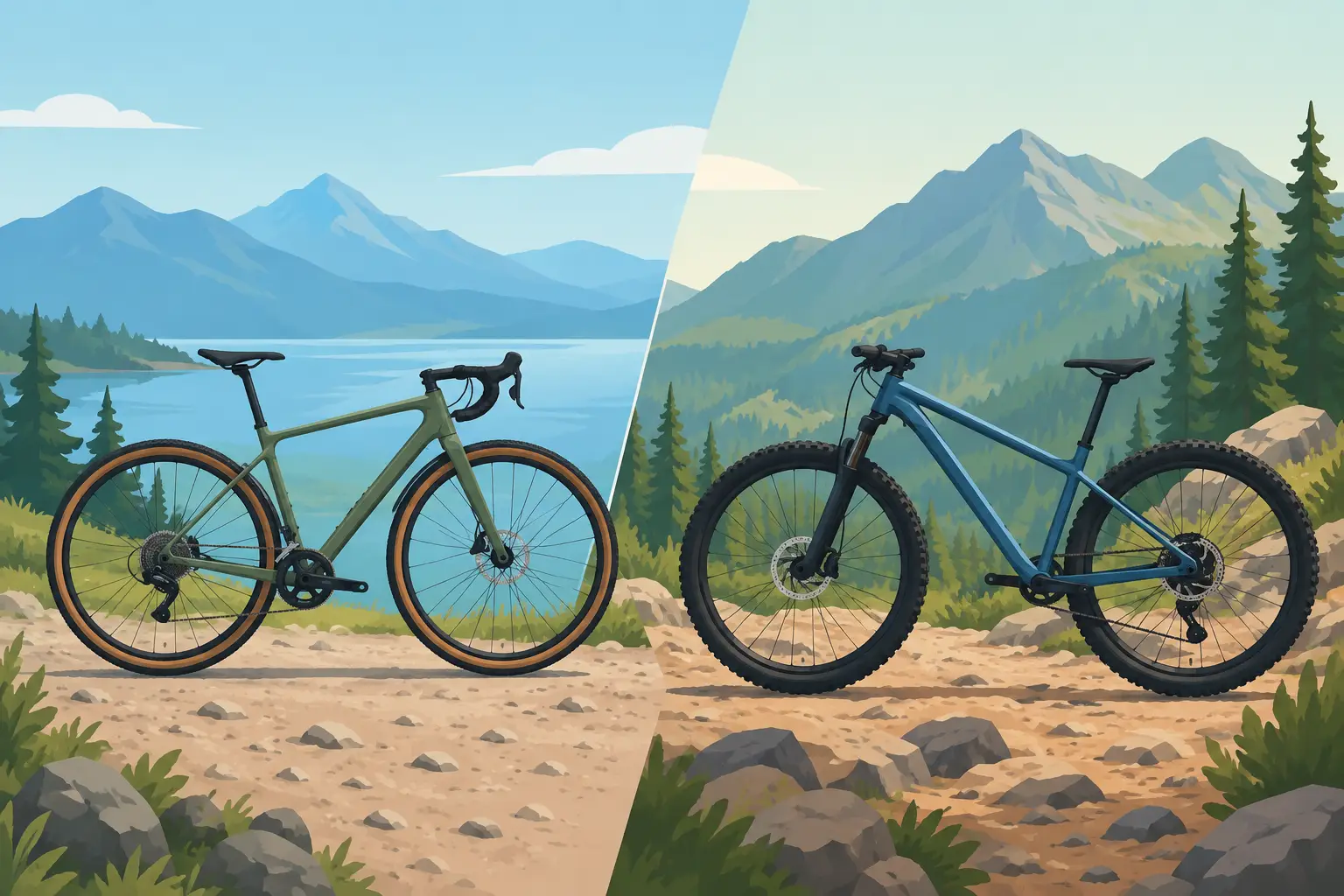
Bike choice and gearing deserve thought as well. A lightweight road set-up usually makes sense, but sensible gearing is worth more than vanity. You want enough range to stay efficient on longer ascents, especially if the heat has started to bite. Good tyres and a reliable, well-serviced bike are more important than chasing a marginal equipment gain.
Why support matters in a destination event
The difference between a good overseas ride and a great one often comes down to what happens off the bike. On paper, a Sri Lankan route can look straightforward. On the ground, successful execution requires local knowledge, route judgement, timing, rider support, mechanical backup and an understanding of how the island moves.
That is where a premium event earns its place. Riders travelling long-haul for a cycling experience do not want friction at every turn. They want airport-to-hotel ease, smart stage logistics, clear briefings, well-stocked feed support, reliable transfers where needed, and the reassurance that the operation behind the event knows these roads in detail.
That support does not dilute the adventure. It protects it. You still have to ride every kilometre yourself, manage your effort, and deal with the demands of the terrain. But you are free to focus on the experience rather than the admin.
The atmosphere riders can expect
The best cycling events create camaraderie without becoming overly formal. That tends to suit Sri Lanka particularly well. Riders spend long hours together, share the day’s effort, compare notes on the climbs, and finish with the feeling that they have moved across a country rather than simply completed a closed-loop course.
Because the destination itself is so central to the event, conversations tend to go beyond average speed and placing. People talk about the mountain roads, the food, the weather, the quality of the scenery, and the small moments that stay with them afterwards. For many riders, that blend of achievement and travel depth is exactly why they book an event like this rather than another familiar ride in Europe.
Planning your Ride SriLankan cycling event entry
If you are considering the event, treat it as both a riding commitment and a travel investment. Build your training around repeat days in the saddle, not just isolated hard efforts. Arrive with enough time to settle, reassemble the bike properly and adjust to the climate. Keep your packing disciplined – proven kit, sensible hydration options, lightweight layers for variable conditions in the hills, and spares you trust.
It is also worth being honest about what kind of rider you are. If you are highly competitive, look closely at the route profile and stage demands so you can prepare specifically. If you are more experience-led, focus on durability, comfort and enjoying the full journey. There is no virtue in turning a superb island ride into a suffer-fest through poor pacing.
Operators with deep local experience, such as Multi Terrain Biking, understand that balance well. The most successful riders are not always the ones who arrive with the flashiest bike or loudest ambitions. They are usually the ones who respect the route, prepare carefully and give themselves room to absorb the destination as they go.
Is the Ride SriLankan cycling event worth travelling for?
If what you want is a flat, predictable week of sunshine miles, probably not. Sri Lanka is more textured than that. Traffic patterns can vary, weather can shift, and the riding asks you to stay alert and adaptable. But for many cyclists, that is the point.
This event is worth travelling for if you value roads with personality, a genuine sense of place, and the rare satisfaction of covering serious distance through a country that keeps changing around you. It suits riders who want challenge with comfort, adventure with structure, and support that feels polished rather than intrusive.
Some cycling trips blur together after a season or two. A properly delivered Ride SriLankan experience tends not to. The climbs, the humidity, the tea-country descents, the coastal light, the sense of momentum across the island – those are the details that stay with you. If that sounds like your kind of ride, it is worth making space for it on your calendar.