Thin air changes everything. The first steep ramp feels sharper, your breathing goes ragged sooner, and the landscape seems to stretch higher than your usual riding brain can quite process. That is exactly why a high altitude cycling holiday appeals to riders who want more than another week of good roads and pleasant cafés. It offers scale, challenge and a sense that every kilometre has been earned.
Done well, altitude riding is deeply rewarding. Done badly, it can become an exercise in fatigue, frustration and preventable discomfort. The difference is rarely fitness alone. It comes down to route design, acclimatisation, pacing, logistics and knowing when to push and when to back off.
What makes a high altitude cycling holiday different?
At sea level, strong riders can often lean on form, grit and momentum. At altitude, physiology has a vote. As you climb higher, oxygen availability drops, recovery takes longer, sleep can feel lighter and efforts that would normally feel manageable can tip into the red very quickly.
That is why the best high altitude cycling experiences are not simply hard cycling holidays placed on a map with big mountains. They are expertly crafted journeys that respect how the body adapts. The strongest itineraries build in progressive elevation gain, sensible overnight stops and riding days that balance ambition with realism.
There is also a mental difference. Altitude sharpens the experience. Every pass feels more significant. Every village stop, prayer flag-lined ridge and mountain backdrop lands with greater force because you are working harder to move through it. In Nepal especially, the riding carries a rare combination of physical challenge and cultural depth.
Why Nepal is built for altitude riding
If you are choosing a destination for a serious altitude trip, Nepal sits in a class of its own. This is not just because of the headline numbers, though they are impressive. It is because the terrain, road network, off-road variety and mountain culture create a riding environment that feels purpose-built for adventurous cyclists.
In a relatively compact area you can move from Kathmandu Valley roads and rolling mid-hill trails into high Himalayan terrain where the air thins, the views expand and the riding becomes genuinely expeditionary. The geography is dramatic, but so is the atmosphere on the ground. Tea houses, remote settlements, ancient trade routes and a rhythm of life shaped by altitude give the holiday a richness that no indoor training block or Alpine tick-list can replicate.
For riders who want the high point of the high points, Nepal is also home to some of the most iconic endurance events on earth. The appeal is obvious – altitude here is not a gimmick, it is part of the country’s identity.
The real challenge – fitness matters, but pacing matters more
One of the most common mistakes riders make is assuming a high FTP solves altitude. It helps, of course, but only up to a point. A very fit rider who ignores acclimatisation can feel surprisingly ordinary above 3,000 metres. Meanwhile, a less explosive but well-paced rider with good mountain discipline can have a far better week.
The practical lesson is simple. Start easier than your ego wants. Keep your fuelling disciplined. Drink consistently. Expect your top-end efforts to flatten out. If the route climbs over multiple days, protect your energy early. Altitude punishes impatience.
This is where guided support becomes more than a luxury. Strong local operators understand where a route bites hardest, where weather changes quickly and where a seemingly small overreach on day two can cost you dearly on day four. Good pacing advice, vehicle backup and smart stage planning can transform the trip from a sufferfest into the kind of challenge you actually want to repeat.
Acclimatisation is not optional
The most successful riders treat acclimatisation as part of the holiday, not as time lost before the main event. A day in Kathmandu before heading higher, a gradual build in sleeping altitude and a route profile that avoids giant early spikes all make a measurable difference.
It is worth being honest here – there is no perfect formula that works the same for everyone. Some riders feel strong almost immediately, while others need longer to settle. Age, recent training, sleep, hydration and even travel fatigue can all affect how you respond. That is why a flexible approach matters.
If you are booking a bespoke trip, ask direct questions about sleeping elevations, transfer days, contingency plans and how the itinerary allows for adaptation. If you are joining an event or fixed departure, understand where the critical altitude points sit and prepare for them specifically.
Choosing the right type of high altitude cycling holiday
Not every rider wants the same version of altitude. That is a good thing, because the category is broader than many people realise.
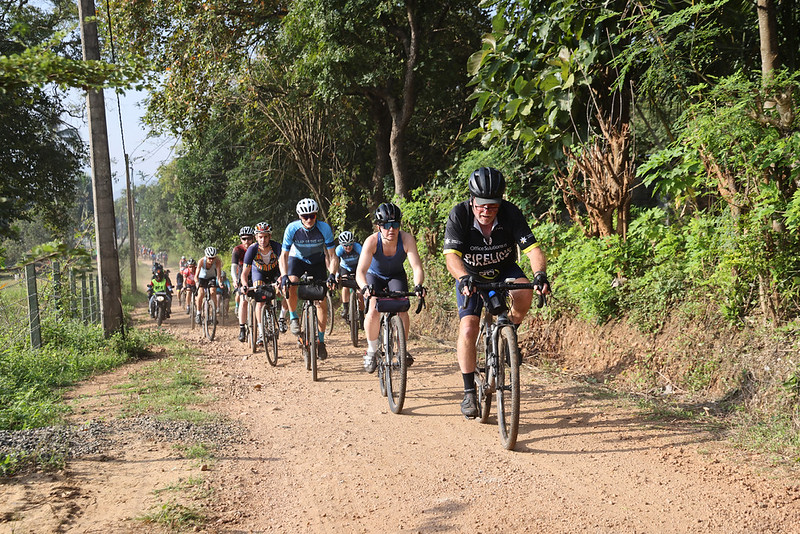
Some cyclists are looking for an endurance test – long mountain days, rougher surfaces and the satisfaction of reaching serious elevation under their own steam. For them, Nepal’s mountain bike and gravel routes are the obvious draw, especially when tied to established events with proven logistics.
Others want the altitude experience without turning the week into survival mode. They still want high passes, extraordinary views and the thrill of riding in the Himalaya, but they also want comfortable lodges, excellent support and a route that leaves room to look around. That style of trip can be just as memorable, and for many riders it is the smarter choice.
The point is not to choose the hardest itinerary on paper. It is to choose the one that matches how you actually ride, recover and enjoy your time away.
Kit for a high altitude cycling holiday
Packing for altitude is a balancing act. Conditions can swing from strong sun and dry heat to freezing descents and sudden weather changes. Layering matters far more than bringing one heavy jacket and hoping for the best.
A reliable system usually includes lightweight riding layers, proper wind protection, serious cold-weather options for long descents and enough off-bike warmth for higher overnight stops. Good gloves are often underestimated. So is sun protection. At altitude, the light is stronger, dehydration can creep up and exposed skin takes a hammering.
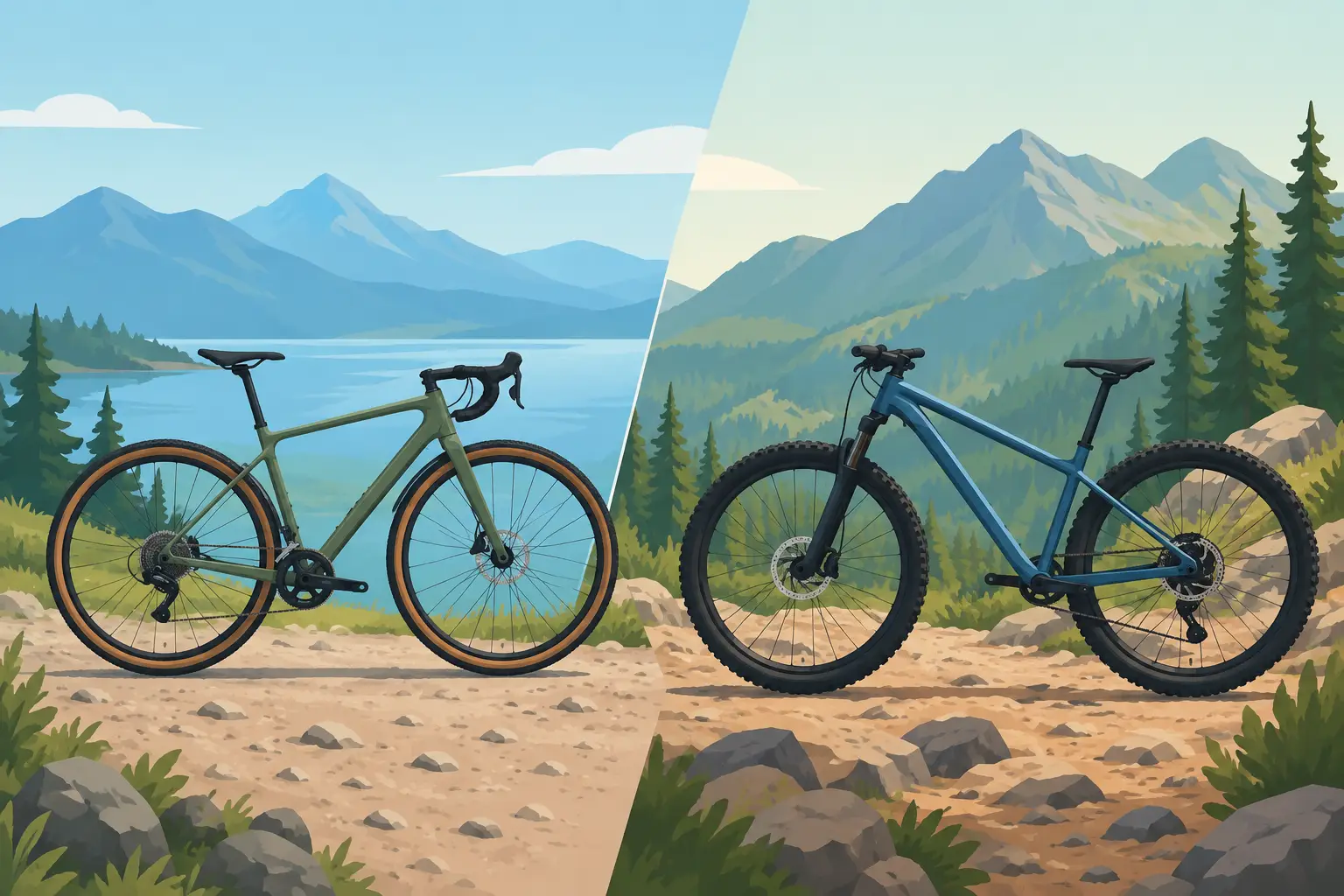
Your bike setup depends on the route. Smooth tarmac climbs demand one approach, mixed-surface mountain routes another. Gearing deserves particular attention. There is no prize for carrying an over-ambitious setup into thin air. Lower gears are not a concession – they are often the difference between riding well and grinding yourself into the ground.
Support and logistics – where premium trips justify themselves
A high mountain route in Nepal is not the place to discover how much admin sits behind a good cycling trip. Airport transfers, domestic logistics, mechanics, permits, route knowledge, weather calls, nutrition planning and emergency contingencies all matter more when you are operating at elevation and away from straightforward infrastructure.
This is where specialist operators earn their keep. Deep local knowledge shortens the gap between a bold idea and a genuinely stress-free experience. It means the right support vehicle in the right place, guides who know how riders respond to altitude, and accommodation that fits the reality of the route rather than a brochure fantasy.
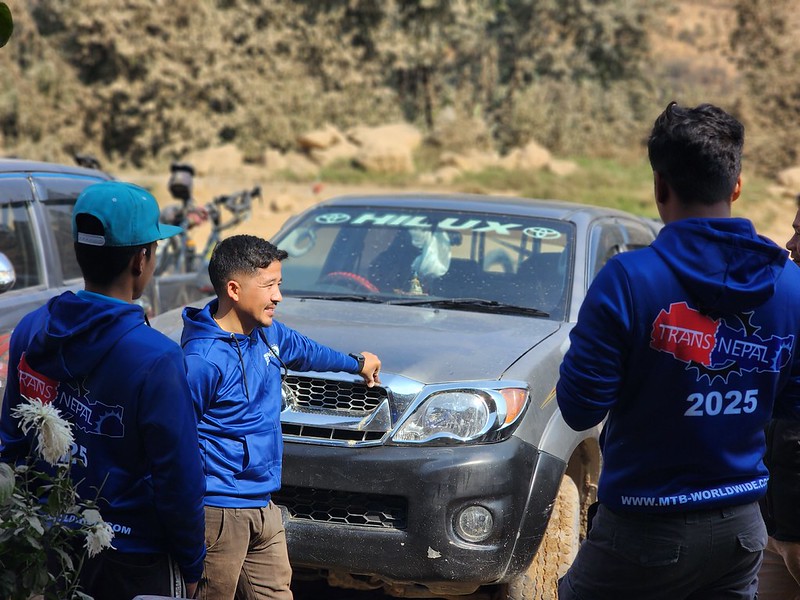
That is also why experienced companies such as Multi Terrain Biking stand out in Nepal. When the destination is complex and the riding is serious, proven on-the-ground expertise is not a nice extra. It is part of the ride quality.
Who should book one?
A high altitude trip is ideal for riders who already enjoy sustained climbing, can handle consecutive days in the saddle and want a holiday with a strong sense of purpose. You do not need to be elite, but you do need to arrive prepared. Consistent training, comfort on longer rides and a realistic understanding of your own pacing habits matter far more than occasional heroic weekends.
If you are newer to cycling holidays, that does not rule altitude out. It simply means choosing a route with the right support and ambition level. There is a big difference between a curated Himalayan journey with manageable daily distances and a race-style itinerary at extreme elevation. Both are valid. They are not interchangeable.
The payoff
The best part of a high altitude cycling holiday is not just the summit photo or the number on the GPS file. It is the feeling that the entire journey demanded your attention. You eat better, sleep harder, notice more and remember the details with unusual clarity. A mountain pass in Nepal stays with you because it is not passive travel. You have to work for it.
For the right rider, that is the whole point. If you want a week that stretches your legs, your lungs and your idea of what a cycling holiday can be, altitude has a way of resetting the standard. Choose the route carefully, give the mountains the respect they deserve, and the reward is far bigger than bragging rights.