At around 3,000 metres, a climb that would feel merely solid in Europe starts asking sharper questions. Your breathing changes. The road turns from tidy tarmac to broken gravel without warning. A snow peak appears above a line of prayer flags, and suddenly the ride is no longer just about watts, gearing or average speed. A Himalayan gravel bike tour has a way of making every kilometre feel bigger.
For the right rider, that is exactly the point. Nepal delivers scale in a way few cycling destinations can. The roads link high valleys, terraced hillsides, old trading routes and deeply rooted mountain culture. Gravel riding here is not manufactured for visitors. It is simply how much of the country connects. That gives every day a rare sense of purpose and place, but it also means expectations matter. This is not polished bike-park gravel, and it is not a road tour with the odd dusty shortcut. It sits somewhere more rewarding – and more demanding.
Why a Himalayan gravel bike tour stands apart
The first difference is terrain. In the Himalaya, gravel can mean hard-packed jeep track, washboard dirt road, loose stone on switchbacks, sections of broken blacktop, and fast valley roads where line choice matters. Conditions can change within one descent. A route that looks straightforward on a map may ride very differently after rain, roadworks or a busy local transport day.
The second difference is altitude. You do not need to be chasing extreme passes to feel it. Even moderate elevations affect pacing, recovery and appetite. Riders who are strong at sea level sometimes find they need a more measured approach here, while steady endurance riders often thrive if they pace sensibly from day one.
The third is immersion. A proper Himalayan gravel trip is not scenery viewed from a distance. You ride through village life, alongside daily transport, past monasteries, farm tracks and mountain viewpoints that feel earned rather than staged. That gives the experience depth, but it also asks for a degree of flexibility and curiosity. If your ideal ride needs total predictability, there are easier destinations.
Who a Himalayan gravel bike tour suits best
This style of trip works brilliantly for riders who already enjoy long days, mixed surfaces and a bit of uncertainty. You do not need elite race fitness, but you do need to be comfortable being out for several hours, climbing steadily, and adapting to the road as it comes. The strongest predictor of enjoyment is often mindset rather than raw speed.
If you are a road rider looking to branch out, Nepal can be a superb step into adventure gravel, provided you come prepared for rougher surfaces and lower average speeds. If you are a mountain biker, you may find the technical level quite manageable, but the sustained climbing and altitude may still surprise you. For couples or mixed-ability groups, support matters enormously, because the gap between riders can widen on long mountain days.
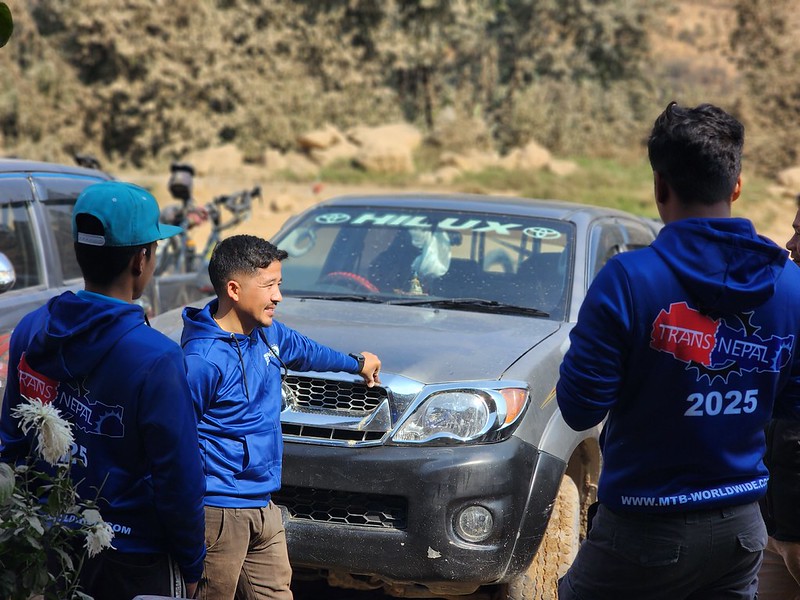
This is also where a well-run tour changes the experience. In Nepal, logistics are rarely background details. Transfers, route choice, weather windows, food stops, acclimatisation and bike setup have a direct impact on how good the trip feels. Expert local support turns a complicated riding holiday into a focused, stress-free one.
The riding reality in the Himalaya
A lot of riders imagine a Himalayan gravel bike tour as endless high-altitude panoramas and empty roads. You will get those moments, and they are extraordinary, but the riding has more texture than the brochure version.
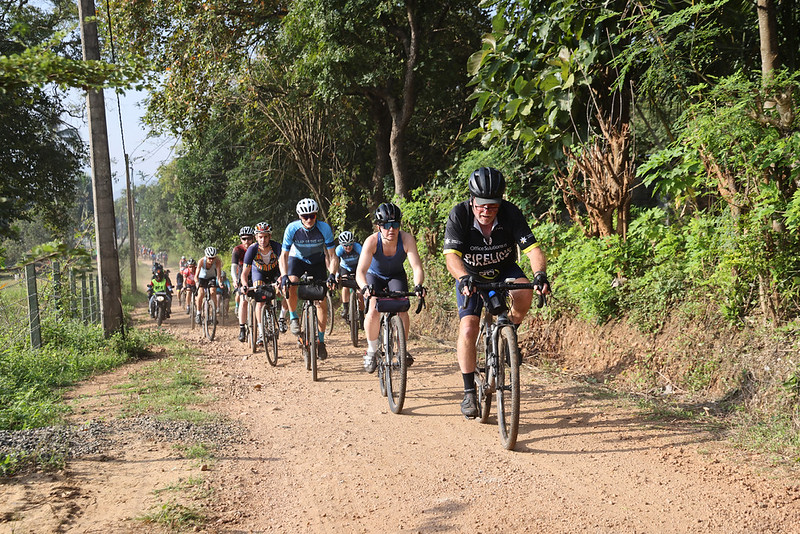
Some days start with a rough climb out of a busy valley, then open onto quieter ridgelines where the air clears and the views stretch for hours. Other days are about linking remote roads through villages, with repeated short climbs that gradually add up. A long descent may begin on loose gravel and finish on old tarmac patched by weather and use. That variety is part of the appeal.
The climbing is usually the feature riders remember most. It is not only the big passes. Repeated elevation gain, especially in warm conditions or at altitude, creates a level of fatigue that feels different from a standard gravel sportive. Distances that look modest on paper can ride like much bigger days. That is why honest itinerary design matters. There is no value in squeezing too much into each stage if it leaves riders too depleted to enjoy where they are.
Bikes, kit and pacing
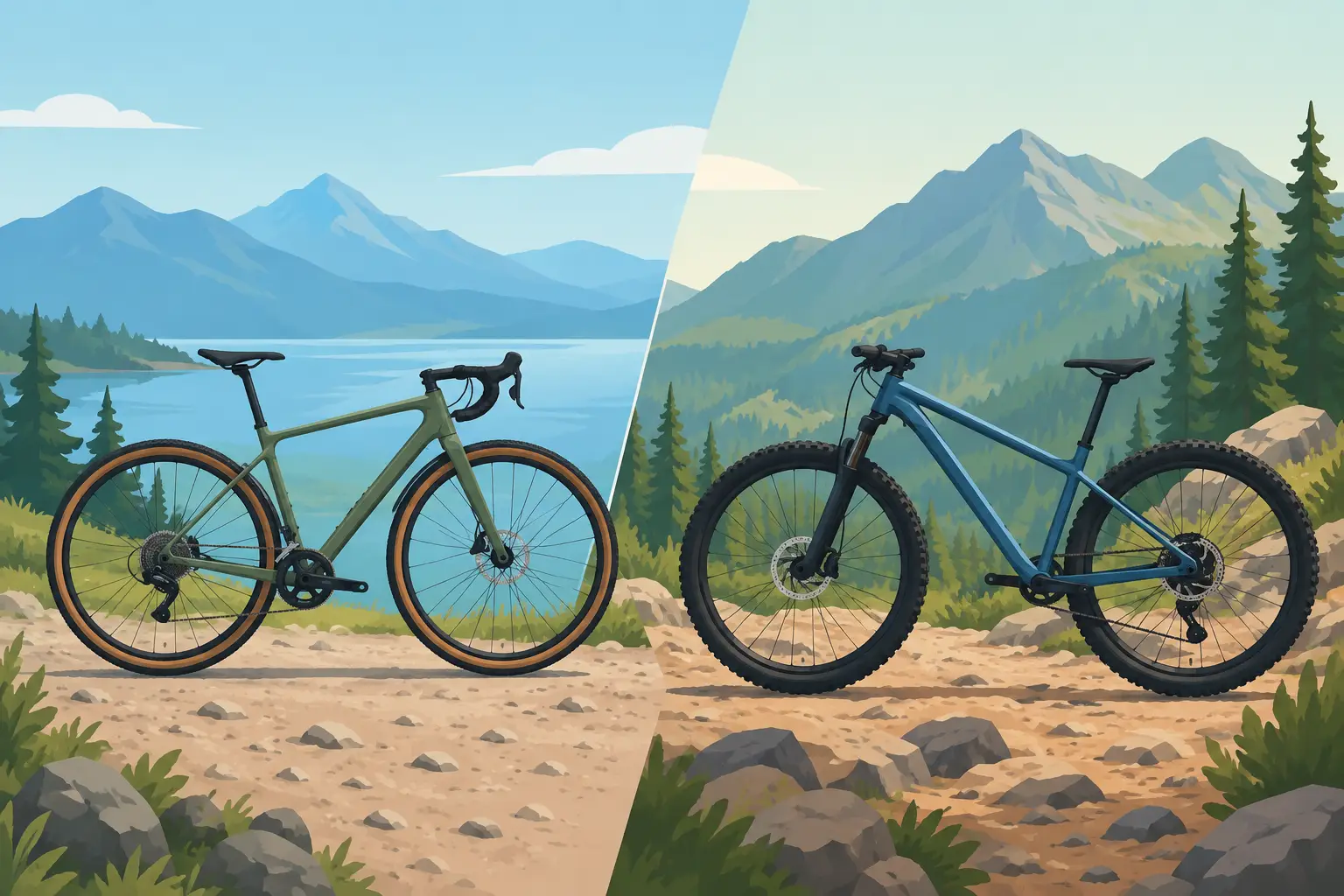
For most riders, a modern gravel bike is the sweet spot, but setup matters more here than it might at home. Tyre clearance is valuable. Gearing should favour climbing over pride. A 1x or compact 2x setup can both work well, but low gears are worth having when the gradient kicks and the altitude starts pressing back.
Tyres in the 40mm to 45mm range are often a sensible middle ground, depending on route design and season. Go too narrow and the rougher sectors become punishing. Go too aggressive and you may lose some of the speed and flow that make these routes so satisfying. Tubeless is highly advisable, not because punctures vanish, but because it gives you a better chance of dealing with thorns, sharp stone and varying pressures without constant interruption.
Pacing is where experienced travellers often make the smartest gains. Nepal rewards restraint. Ride the opening climbs below your ego, eat early, drink more than you think you need, and let the mountains come to you. The riders who empty themselves for the first summit rarely look strongest by day three.
Weather, seasons and the it-depends factor
There is no single perfect month for every Himalayan gravel bike tour. It depends on region, route altitude, and the balance you want between clear mountain views, warmer temperatures and trail condition.
Spring brings colour, generally stable riding and a strong sense of the season changing in the hills. Autumn tends to offer the clearest post-monsoon skies and some of the most dramatic mountain visibility. Winter can be fantastic at lower elevations, with crisp air and fewer visitors, but higher sections may become cold or inaccessible. Monsoon periods are not automatically off-limits everywhere, though they do increase the likelihood of mud, washouts and disrupted plans.
This is one reason local route knowledge carries so much weight. In the Himalaya, the best ride is not always the highest or most ambitious line on the map. Sometimes it is the route that threads together the right elevations, road surfaces and overnight stops for that exact week.
The cultural side of the ride
What elevates Nepal beyond pure challenge is the richness around the bike. One hour you are working through switchbacks above a river gorge, the next you are drinking tea in a village where daily life carries on at a rhythm entirely separate from your ride plan. Temples, stupas, old towns and mountain communities are not side attractions here. They are woven into the route.
That matters because the strongest trips are rarely just athletic tests. A premium cycling holiday in the Himalaya should create space for the destination itself – local food, characterful lodges or carefully chosen hotels, meaningful pauses, and enough operational polish that you can stay present. This is where specialist operators such as Multi Terrain Biking have real value: not merely getting riders from one place to the next, but shaping a journey that feels both adventurous and properly considered.
Support makes the difference
Independent travel has its appeal, but a Himalayan gravel trip is one of those journeys where support can dramatically improve the outcome. Mechanical backup, local guides, vehicle assistance, route adjustments and well-timed acclimatisation are not luxuries when you are riding in remote mountain terrain. They are often the difference between a hard but rewarding day and a draining one.
Support also allows stronger and steadier riders to enjoy the same trip without compromise. One rider can push on through a climb, another can spin steadily, and both still arrive to a smooth logistics plan, a well-briefed next day and a sense that the trip is under control. For many international travellers, that is what makes long-haul cycling in Nepal feel worth the investment.
Is a Himalayan gravel bike tour worth it?
If you want perfect surfaces, fixed expectations and tidy metrics, perhaps not. There are easier places to tick off kilometres. But if you want mountain scale, real route character, and the feeling that your ride is taking you somewhere genuinely different, it is hard to beat.
The best Himalayan gravel journeys combine challenge with hospitality, effort with perspective, and enough unpredictability to make the memories stick. You come for the climbing and the views, but often leave talking about the roads you did not expect, the villages between the summits, and the satisfaction of riding a landscape that never once felt ordinary.
Choose the route carefully, respect the altitude, bring the right gears, and leave a little room for surprise. In the Himalaya, that is usually where the best part of the ride begins.