
A dawn climb through tea country, a roadside king coconut stop, a quiet lane winding towards a temple: Sri Lanka rewards riders who come prepared. But is Sri Lanka safe for bike touring? For most experienced cyclists, yes. It is a richly rewarding destination with warm local hospitality, compelling terrain and an excellent network of riding possibilities. The key is respecting the realities of traffic, weather, road conditions and the distances that can look deceptively short on a map.
Sri Lanka is not a place for passive sightseeing from the saddle. It is vivid, busy and occasionally chaotic, especially around towns and on major transport corridors. Choose routes well, ride with sound judgement and build a little flexibility into your plan, and it can be an outstanding country for an adventurous cycling holiday.
Is Sri Lanka Safe for Bike Touring on the Road?
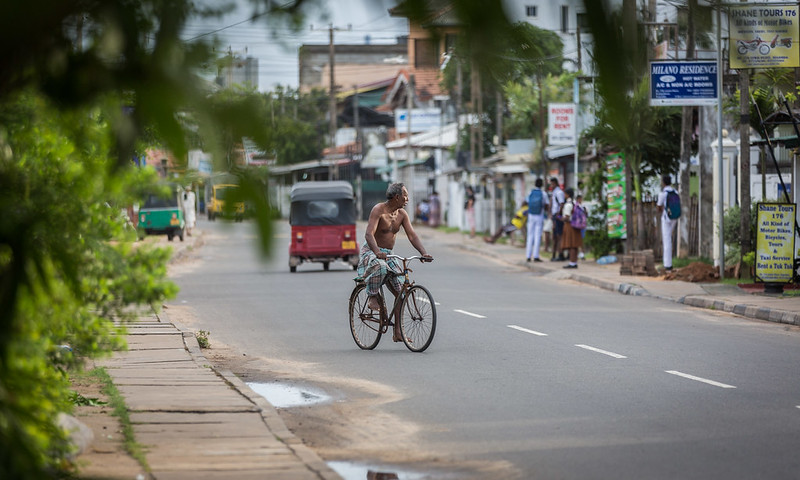
The most significant consideration is traffic. Sri Lankan roads are shared by buses, tuk-tuks, motorbikes, cars, pedestrians, livestock and lorries, often all at once. Drivers can be assertive, and buses in particular deserve a wide berth. They are fast, frequent and unlikely to make room simply because a cyclist is holding a clean line.
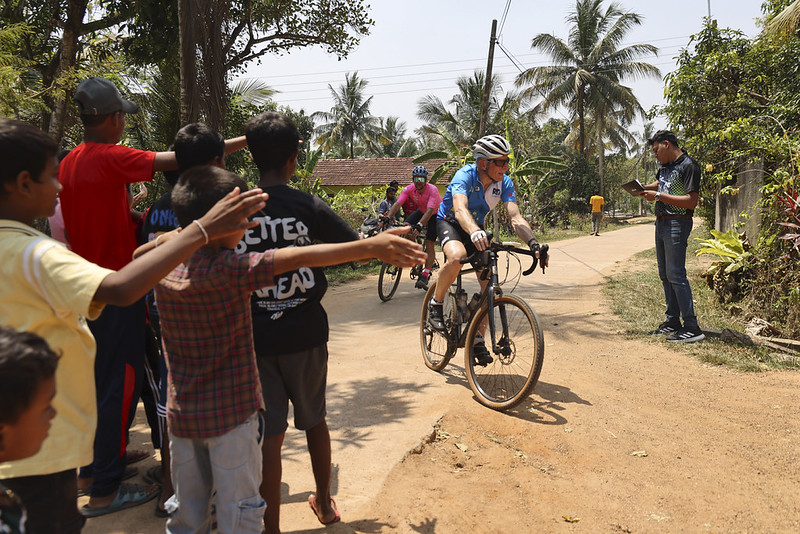
That said, the experience changes dramatically once you leave the busiest A-roads. The country has a superb patchwork of minor roads, estate lanes and rural backroads where traffic drops away and the riding becomes deeply immersive. In the central highlands, tea estates, eucalyptus forest and small farming communities create a magnificent setting for climbing. In the south and east, quieter inland roads reveal paddy fields, lakes and village life beyond the busy coastal strip.
The practical answer is route selection, not avoiding the country altogether. A well-designed itinerary limits exposure to high-speed roads, uses early starts where busier stretches are unavoidable, and places overnight stops at sensible intervals. Riding in daylight is strongly recommended. Road surfaces, unlit vehicles, animals and pedestrians make after-dark cycling a poor gamble.
Visibility matters. Use daytime lights, wear bright or contrasting kit and assume that other road users have not seen you until their actions prove otherwise. Descents in the hill country also demand restraint. Wet leaves, broken edges, gravel and sudden oncoming traffic can turn an exhilarating descent into a technical one very quickly.
The Routes That Make Sri Lanka Worth Riding
Sri Lanka works brilliantly for riders who enjoy variety. Few destinations pack so much contrast into a relatively compact island. One day can bring rolling jungle roads and cinnamon groves; the next, long climbs through misty tea country; the next, broad gravel tracks beside reservoirs and ancient cities.
The central highlands are the physical heart of a serious bike tour. Climbs around Kandy, Hatton, Nuwara Eliya and Ella can be long, humid and relentlessly scenic. Temperatures fall as you gain altitude, but gradients and wet weather make the effort real. A road bike with sensible gearing is ideal for tarmac-led touring, while a gravel bike opens up more estate roads, rougher lanes and off-the-beaten-track connections.
For a less mountainous journey, the cultural triangle and southern interior offer rewarding rolling terrain. These regions suit riders seeking big days without the sustained climbing of the highlands. Coastal riding can be spectacular, particularly in quieter areas, but it should be approached selectively. Main coastal roads often carry heavy traffic, and the best riding is usually found a few kilometres inland.
A good Sri Lankan route is rarely the straightest one. It follows the roads that feel right on a bike: quieter lanes, tea trails, reservoir tracks and local roads where a pause for tea becomes part of the day rather than an interruption to it.
Weather, Heat and Seasonal Timing
The weather is a safety factor as much as a comfort issue. Sri Lanka has several climate zones and monsoon patterns, so conditions can vary considerably across the island on the same day. The coast may be hot and dry while the highlands are cool, misty and wet.
Heat and humidity are the main challenge at lower elevations. Riders arriving from the UK or northern Europe often underestimate how quickly a steady pace becomes demanding in tropical conditions. Start early, carry more water than you think you need and use regular stops to cool down. Electrolytes are worthwhile, especially on long days or during multi-day tours.
In the hill country, rain can arrive without much ceremony. A compact waterproof layer, warmer arm protection for descents and dry storage for valuables are all sensible additions. After heavy rain, potholes and debris can be harder to spot, while rural roads may become slick with mud or leaf matter.
There is no single perfect month for every Sri Lankan route. The strongest touring window depends on whether your itinerary focuses on the west and south, the east, or the highlands. A specialist operator can shape a journey around the most favourable regional conditions rather than treating the island as one uniform weather system.
Health, Food and Everyday Security
For most visitors, everyday personal security is not the primary concern. Sri Lanka is widely known for its friendliness, and cyclists often receive a warm welcome in villages and at roadside cafés. As anywhere, use normal travel awareness in busy towns: keep cash, passports and electronics secure, avoid displaying valuables unnecessarily, and choose reputable accommodation with secure bike storage or a room-based solution for your bike.
Food is one of the pleasures of touring here, but give your stomach time to adapt. Freshly cooked rice and curry, hoppers, roti, fruit and dhal provide excellent riding fuel. Choose busy places where food is being prepared and served regularly, drink treated or bottled water, and carry a basic supply of familiar snacks for longer or more remote stages.
Mosquito protection is sensible, particularly around dawn and dusk. Speak to a travel health professional well before departure for current advice on vaccinations and personal medical needs. If you take prescription medication, bring enough for the trip and carry it in its original packaging.
Travel insurance should specifically cover cycling, medical treatment and evacuation. This is especially relevant if your plan includes remote gravel routes or the more isolated parts of the highlands, where a mechanical issue or injury may take longer to resolve than it would at home.
Riding Independently Versus Riding Supported
Independent bike touring in Sri Lanka is entirely possible, especially for confident, adaptable riders who enjoy planning and are comfortable negotiating traffic. Yet the country rewards local knowledge more than most. The difference between a forgettable day on a busy road and a memorable day through tea estates may be one turn at the edge of a town.
A supported or guided trip removes the more complex friction points: route checking, hotel coordination, bike transport, luggage transfers, nutrition stops and contingency planning when weather or road conditions change. It also gives you the freedom to ride the best sections without forcing every kilometre to work as a point-to-point logistical exercise.
For riders travelling with partners of different abilities, support is particularly valuable. Stronger cyclists can take on extra climbing or gravel options while others follow a shorter route or enjoy a cultural stop, before everyone meets again at the same carefully chosen hotel. That flexibility turns a challenging destination into a properly shared holiday.
With more than 19 years of destination experience, Multi Terrain Biking builds Sri Lankan cycling journeys around this kind of detail: rideable routes, trusted local teams and the assurance that the day still works when tropical weather has other ideas.
A Sensible Pre-Ride Routine
Before setting out each morning, check the day’s route, forecast and expected climbing rather than relying on distance alone. Tell someone where you are going, keep your mobile phone charged and save key accommodation details offline. Carry a small repair kit, spare tubes or tubeless repair supplies, and enough cash for rural stops where cards may not be accepted.
It is also wise to be culturally aware on the bike. Dress respectfully when stopping at temples or in conservative rural communities, ask before photographing people, and be patient in villages and markets. Sri Lanka’s roads are not merely a sporting arena. They are the daily workspace and living space of the people around you.
Sri Lanka is safest and most rewarding when you ride it with curiosity rather than urgency. Choose the quieter road, leave before the heat builds, give buses the respect they demand, and allow time for the moments that make touring here unforgettable: tea shared with strangers, cloud rolling over a pass, and the satisfying knowledge that you reached it under your own power.